

You do not have to leave Denver to have a genuinely great fall weekend. Some of the city's best autumn moments happen right in its neighborhoods, on the same streets locals walk every week, just with better light and cooler air. This guide walks through those neighborhoods one by one so you can match your plans to the kind of day you actually want, whether that's a farmers market morning, a long park loop, or a slow afternoon with good coffee and nowhere to be.
Denver has more than 200 parks and a fall festival and market season that stretches well into November. That combination makes autumn here feel active and social in a way that's hard to replicate. It also makes the city genuinely worth exploring on foot during this time of year, because each neighborhood puts its own spin on the season. For anyone thinking about relocating or deciding between areas, fall routines tend to reveal more about a neighborhood's personality than a home search ever could.
This guide moves neighborhood by neighborhood, so you can plan around the kind of atmosphere you're after rather than guessing.
Start Here for the Best Fall Weekends
The fastest way to use this guide is to match your mood to a neighborhood before you go. Each area covered here has a distinct fall personality, and knowing that upfront saves you from driving across town only to find a vibe that doesn't quite fit the day.
Here's a quick breakdown of where to go depending on what you're looking for:
- Wash Park and South Pearl for a classic Denver Sunday with coffee, a farmers market, and a long walk around the lake. This is the one locals repeat almost every weekend without getting tired of it.
- Highlands, Berkeley, and Tennyson for a looser, browse-all-morning kind of day with boutiques, coffee shops, bookstores, and art walk energy woven into the same few blocks.
- City Park for families, out-of-town guests, or anyone who wants a built-in backup plan. The Denver Museum of Nature and Science and the Denver Zoo are both right there when the weather turns unpredictable.
- Sloan's Lake for wide-open sky, reflective water, and an easy transition into breweries or dinner at Edgewater once the sun starts dropping.
- Cheesman and the Denver Botanic Gardens for something quieter and more curated, with strong fall color and a pace that actually lets you slow down.
September through mid-October is generally the most reliable window for catching strong urban color in Denver, especially in years when the leaves turn early. That said, some neighborhoods hold their color longer than others, and the markets and festivals running through late October and into November give you plenty of reasons to keep going out even after peak foliage passes.
Wash Park and South Pearl for the Fall Routine Locals Repeat
Sunday mornings at South Pearl have a particular rhythm that's easy to fall into. The South Pearl Street Farmers Market runs on Sundays through early November, which makes it one of the strongest true fall market anchors in the city. Vendors bring in seasonal produce, baked goods, and local goods well into the cooler months, so the market doesn't feel like it's winding down the way some others do by late September.
A natural morning flow here starts with coffee from one of the cafes along South Pearl, then a slow walk through the market, then a loop around Washington Park. The park itself covers 165 acres with two lakes, tree-lined paths, and enough open space to make the walk feel like more than just exercise. In fall, the trees along the perimeter and around the lakes shift into warm golds and oranges, and the morning light on the water is the kind of thing that makes people want to come back the following Sunday.
The neighborhood mood is polished and social without feeling exclusive. Brunch spots fill up, but the energy stays relaxed. If you're planning to go, arriving earlier in the morning makes parking easier and gives you calmer market browsing before the crowds build.
What makes Wash Park and South Pearl work so well as a fall destination is that the routine holds up week after week. It's not a one-time outing. The combination of a dependable market, a beautiful park, and a walkable street with good food and coffee creates the kind of Saturday or Sunday that people genuinely look forward to. For anyone evaluating Denver neighborhoods, that repeatability says something real about what daily life here actually feels like.
Highlands, Berkeley and Tennyson for Markets Shops and Wandering
Not every great fall day needs a plan. Highlands, Berkeley, and Tennyson are built for the kind of morning where you park the car and just see where things go. The Highlands Farmers Market runs through late October and gives the area an anchor for earlier fall weekends, but the market is really just one layer of what makes this stretch of Denver worth exploring in autumn.
Tennyson Street in Berkeley has its own distinct energy, especially in fall. The Tennyson Fall Festival brings seasonal events and art walk activity to a street that's already lined with independent bookstores, coffee shops, and locally owned boutiques. The blocks feel lived-in rather than curated for visitors, which is part of what makes wandering here feel so comfortable.
A few local favorites worth knowing about in this area:
- Allegro Coffee on Tennyson for a reliable morning stop before walking the street
- Mutiny Information Cafe for a quirky, independent bookstore and coffee shop combination that fits the neighborhood's creative personality
- Mondo Vino for local wine and a browse that doesn't feel rushed
- The Berkeley Inn for a low-key afternoon drink when the walk winds down
What separates this area from somewhere like Wash Park is the browse-and-linger culture. There's no single loop or defined routine. You might spend an hour in one shop, grab lunch somewhere unexpected, and end up on a side street you hadn't noticed before. The tree-lined residential blocks just off Tennyson add to that feeling, especially when the leaves are turning and the afternoon light is hitting the older bungalows at the right angle.
For anyone relocating and trying to understand how a neighborhood actually feels day to day, this is the kind of area that reveals itself through walking rather than research.
City Park and Sloan's Lake for Big Views and Easy Group Plans
City Park and Sloan's Lake are both easy to recommend, but they serve different kinds of days. Knowing which one fits your plans makes a real difference.
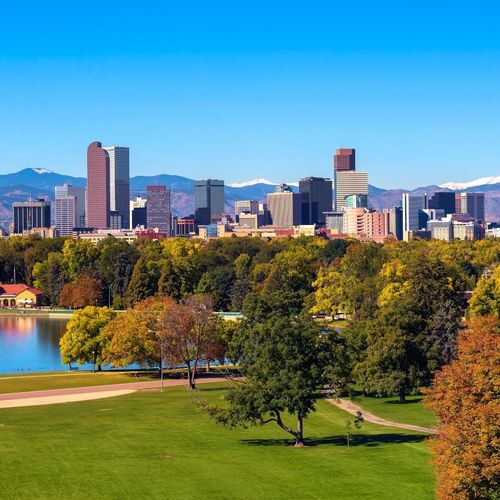
City Park is Denver's largest urban park, covering around 330 acres in the heart of the city. In fall, the open lawns and tree-lined paths shift into warm color, and the skyline views from the eastern side of the park are genuinely impressive. What makes City Park especially practical is that it comes with built-in options when the weather shifts or the group needs something beyond a walk. The Denver Museum of Nature and Science sits right on the park's edge, and the Denver Zoo is accessible from the same visit. For families, out-of-town guests, or mixed groups with different energy levels, that flexibility is hard to beat.
Sloan's Lake has a completely different feel. The lake itself is the largest in Denver, and the open sky around it gives the whole area a more expansive, airy quality. A walk around the perimeter is just over 2.5 miles, and the water reflects the sky in a way that makes the loop feel longer and more scenic than the distance suggests. When the walk is done, the Edgewater neighborhood right next to the lake offers an easy transition into breweries, restaurants, and a more relaxed evening pace.
A few practical notes worth keeping in mind for both spots:
- Bring an extra layer near Sloan's Lake, especially for late afternoon visits when the wind picks up off the water
- City Park works well as a full-day destination, while Sloan's Lake tends to shine more as a sunset or flexible afternoon outing
- Both areas are easier to enjoy on weekday afternoons if your schedule allows, since weekend foot traffic picks up significantly in October
The contrast between these two parks is actually useful for understanding Denver more broadly. City Park feels more all-in-one, with enough variety to fill a whole day without leaving the area. Sloan's Lake feels more open and unhurried, better suited to people who want space to think and a good dinner afterward. Both give you a clear sense of what everyday quality of life looks like in their respective corners of the city.
Cheesman and the Botanic Gardens for a Slower Side of Fall
The Denver Botanic Gardens covers 24 acres in the Cheesman Park neighborhood and is genuinely one of the most underrated fall destinations in the city. Local experts have pointed to landscaped places like the gardens and the zoo as sleeper spots for leaf peeping in Denver, and it's easy to see why once you're walking the paths in October. The variety of plant species means the color range is wider than what you'd find in a single park, and the curated layout makes the whole experience feel intentional rather than random.
The surrounding Cheesman Park area adds to the appeal. The park itself sits on a rise that gives it open views and a sense of quiet that's harder to find in busier parts of the city. Nearby coffee options along 13th Avenue and the residential streets around the park make it easy to build a full morning without rushing. The pace here is genuinely slower, and that's the point.
This part of Denver works especially well for date days, solo mornings, or any visit where the goal is to actually absorb the season rather than check off a list. The Botanic Gardens also hosts seasonal programming and evening events in fall, so it's worth checking their calendar before you go since tickets for some events sell out in advance.
Spending a morning in this neighborhood gives you a softer read on Denver than the busier parks and market streets do. The city has a lot of energy, and that energy is part of what makes it appealing, but Cheesman and the Botanic Gardens show a different side of it. The kind of place where people sit on benches for a while, walk slowly, and leave feeling like they actually rested.
Festival Weekends and Local Timing Tips
Denver Oktoberfest runs in late September and draws large crowds to the Ballpark neighborhood, making it one of the more festive ways to kick off the fall season. It's worth going at least once, but it works better as an add-on to a neighborhood day than as the centerpiece of a leafy fall outing. The energy is fun and social, but it's a different experience from the farmers markets and park walks that define fall in Denver's residential neighborhoods.
Timing matters more in Denver than people expect. The foliage window in the city itself is shorter than in the mountains, and some years the leaves turn and drop quickly depending on temperature swings in late September. September through mid-October is generally the most reliable stretch for catching strong color, but the season doesn't end there. Markets at South Pearl run into early November, and neighborhood events continue well past peak foliage, which means there's still plenty of reason to get outside even after the trees have gone bare.
A few timing and planning notes to help you get the most out of fall weekends in Denver:
- Wear layers, especially for morning outings near water. Temperatures in October can swing 30 degrees between sunrise and early afternoon.
- Check market end dates before you go. The Highlands Farmers Market typically wraps by late October, while South Pearl runs a few weeks longer.
- Festival weekends tend to fill parking quickly in the surrounding neighborhoods, so building in extra time or planning to walk from a few blocks away helps.
- If you want the quietest version of any of these spots, go on a weekday or arrive early on Sunday before 9 a.m.
Flexible planning is genuinely the best approach for fall in Denver. Some weekends call for a market and a long park walk. Others feel more like a festival afternoon or a slow coffee-shop morning. The city gives you enough options that you rarely have to commit to just one kind of day.
Finding Your Favorite Side of Denver in the Fall
The best fall days in Denver are not one-size-fits-all, and that's actually what makes the season so good here. Wash Park and South Pearl offer a classic Sunday routine that locals return to week after week. Highlands, Berkeley, and Tennyson reward a slower, more exploratory pace. City Park is the easiest call for families and groups, Sloan's Lake delivers for sunsets and easy evenings, and Cheesman with the Botanic Gardens gives you something quieter and more personal.
What ties all of these places together is that fall in Denver is as much about neighborhood rhythm as it is about changing leaves. The markets, the festivals, the coffee shops, the favorite walking streets, these are the things that shape the season and make each part of the city feel distinct. Leaves are part of it, but they're not the whole story.
Exploring Denver in the fall is one of the most honest ways to understand how each neighborhood actually feels to live in. The way a street feels on a Saturday morning in October, with cool air, good coffee, and people who clearly know each other, tells you more about a place than any listing or neighborhood profile could.
If you're exploring Denver neighborhoods and trying to determine which area best fits the way you want to live, start by getting to know the neighborhoods themselves. The right fit is often about much more than the house. It's about what everyday life looks like once you step outside the front door.
Frequently Asked Questions About Fall in Denver
What are the best things to do in Denver in the fall?
Some of the best fall activities in Denver include visiting neighborhood farmers markets, walking through Washington Park, City Park, Cheesman Park, or around Sloan's Lake, exploring local shopping and dining districts such as South Pearl Street and Tennyson Street, and attending seasonal festivals and events. Fall is also a particularly good time to explore Denver neighborhoods on foot because the cooler weather makes walking and outdoor dining more comfortable.
When is the best time to see fall colors in Denver?
September through mid-October is generally the most reliable period for fall color in Denver, although the exact timing varies from year to year depending on temperatures and weather conditions. Mature neighborhoods and parks such as Washington Park, City Park, Cheesman Park, and the Denver Botanic Gardens can all be good places to see changing leaves without leaving the city.
What are the best Denver neighborhoods to explore in the fall?
Washington Park, Platt Park and South Pearl Street, Highlands, Berkeley and Tennyson Street, Sloan's Lake, City Park, and Cheesman Park are all worth exploring in the fall. Each offers a different atmosphere, from farmers markets and walkable shopping districts to large parks, lakes, restaurants, and quieter residential streets.
Are there farmers markets in Denver during the fall?
Yes. Several Denver farmers markets continue into the fall. The South Pearl Street Farmers Market typically runs into early November, while other neighborhood markets, including the Highlands Farmers Market, generally operate through part of October. Because schedules can change from year to year, it is a good idea to check each market's current calendar before visiting.
Where can I see fall colors in Denver without driving to the mountains?
You can find plenty of fall color within Denver itself. Washington Park, City Park, Cheesman Park, the Denver Botanic Gardens, Sloan's Lake, and tree-lined streets in established neighborhoods can all offer beautiful autumn scenery. Visiting these areas can also be a good alternative when mountain traffic or peak-season crowds make a longer leaf-peeping trip less appealing.
Is fall a good time to explore Denver neighborhoods if I'm thinking about moving?
Yes. Fall can be an especially useful time to explore Denver neighborhoods because people are still spending plenty of time outdoors, local markets and events are active, and parks and commercial districts tend to be busy without the peak summer heat. Walking a neighborhood, visiting its local businesses, and seeing how people spend a typical weekend can give you a much better sense of what living there might actually feel like.
Check out this article next