

Centennial Homes for Sale — A Local's Guide
Centennial is the south metro’s settled middle: established neighborhoods with mature trees and mountain views, two well-regarded school districts, and the Denver Tech Center on its northern edge. It doesn’t try to be a mountain town or a city center. It aims to be an easy, well-run place to live, and it does that very well.
The housing stock, honestly
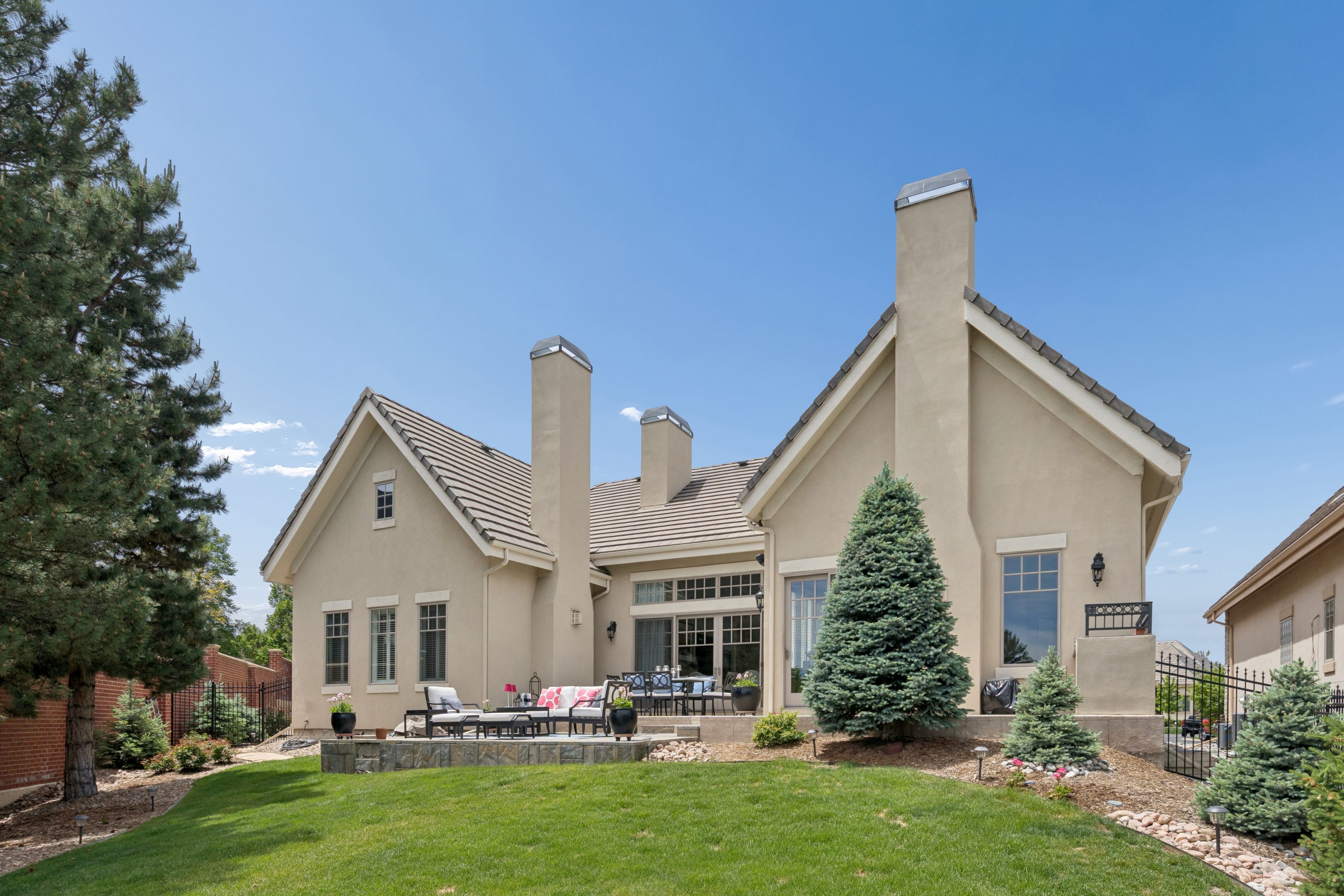
Most of Centennial was built between the 1970s and the 1990s: two-story family homes, split-levels and ranches on generous suburban lots, in neighborhoods such as Homestead in the Willows and Willow Creek, with custom estates in areas such as Heritage Greens and The Farm. Newer pockets and townhome communities fill in around them.
Practical things worth knowing. Many homes from those decades are due, or overdue, for roofs, windows, furnaces and kitchens, and the south metro sits in hail country, so a roof’s age and history matter. Most neighborhoods have an HOA with covenants, which keep streets tidy but set rules on everything from paint colours to fences. Some newer areas also carry a metro district, a special taxing district that funded the original infrastructure and adds to the property tax bill. That is worth checking on any home before you write an offer. I go through all of it with clients so none of it is a surprise at closing.
What it costs
Centennial runs from around $500,000 for townhomes and smaller homes to well above $2 million for custom estates, with most single-family homes somewhere in between. You pay for schools, space and a well-kept setting rather than prestige or walkability. It's typically more attainable than Greenwood Village or Cherry Hills Village for a comparable house, which is a large part of its appeal. The live figures on this page show where the market sits today.
Who it suits — and who it doesn't
Centennial is exceptional for families choosing a home around schools, for professionals working in the Tech Center, and for rightsizers who want a ranch home with a main-floor primary suite in a neighborhood that feels settled and safe. People who value parks, trails and a quiet street over nightlife tend to love it.
It isn’t for everyone, and I’d rather say so early.
Centennial is car-dependent. Apart from The Streets at SouthGlenn, there’s no walkable downtown. The architecture is suburban and fairly uniform, so if you want character homes, look at Washington Park or Golden instead. Some neighborhoods sit under the approach to Centennial Airport, one of the busiest general-aviation airports in the country, so it’s worth listening for aircraft before you buy. Arapahoe Road and I-25 are slow at rush hour. And if HOA rules would chafe, choose your neighborhood carefully.
None of this makes Centennial a lesser choice. It makes it a specific one.
Where people actually go
The year in Centennial
Centennial Center Park hosts the city’s community events through the year. In summer, the city’s Movie Nights programme lends neighborhoods a complete outdoor cinema, with projector, screen and sound, so streets can host their own films under the stars. The farmers market runs weekly at SouthGlenn. Each October the Trails Recreation Center hosts a community Trunk or Treat at Piney Creek Hollow Park, and in December the Streets at SouthGlenn lights up for the holidays.