


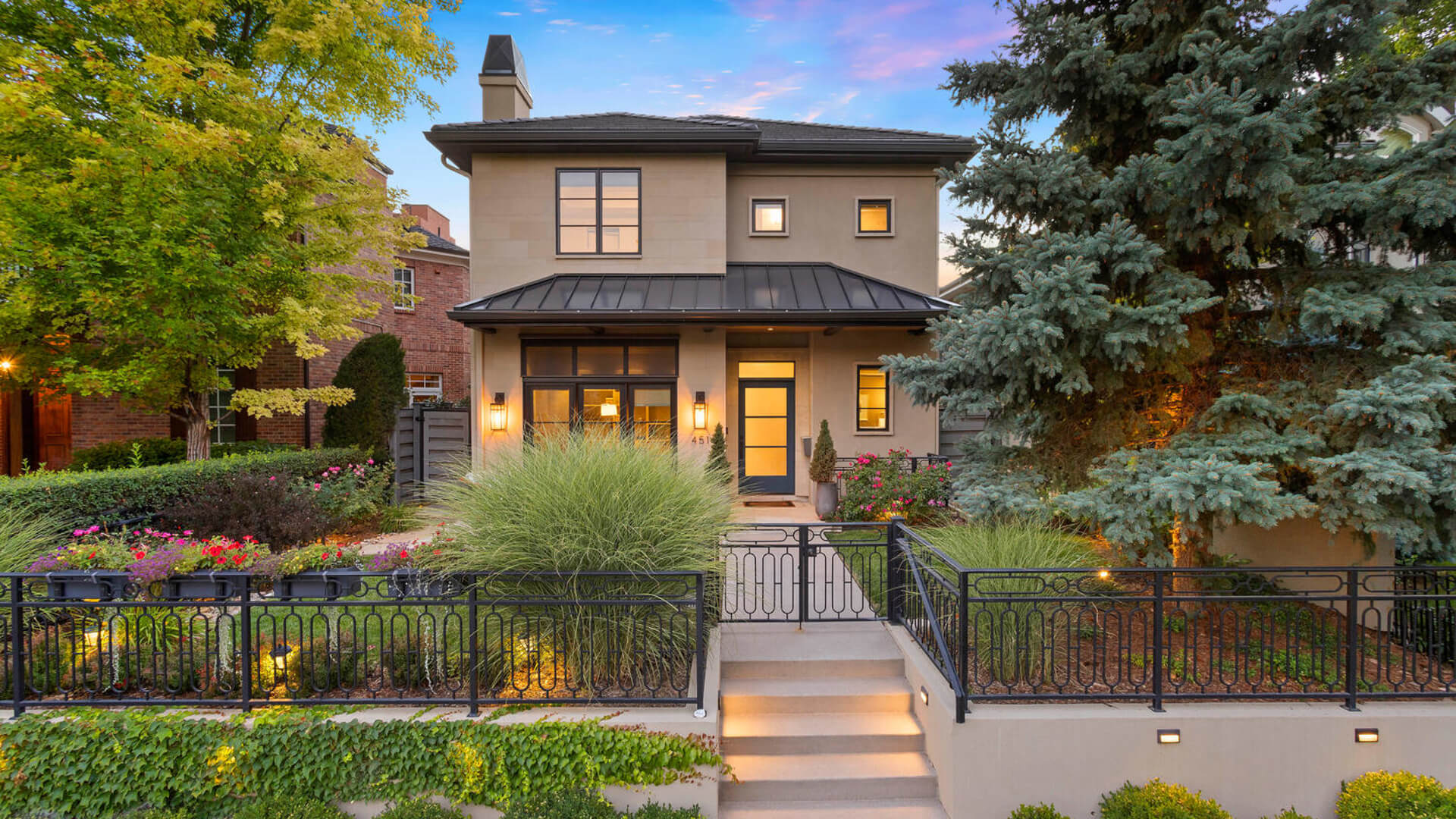
Most Denver homeowners didn't plan on spending their weekends maintaining a home. But somewhere between the lawn watering schedules, the exterior touch-ups, the snow cleanup, and the constant small repairs, the house starts taking up more of your time than you ever intended to give it. The goal of this article isn't to convince you to strip your home down to bare walls or trade your backyard for a parking spot. It's to help you figure out which changes actually reduce effort in Denver's specific climate, and which ones just sound good in theory.
Denver's conditions are not forgiving to high-maintenance choices. Intense UV exposure fades and warps materials faster than in most cities. Freeze-thaw cycles crack surfaces that weren't built to flex. Dry air and unpredictable snowfall create a seasonal maintenance rhythm that can feel relentless if your home isn't set up to handle it. Every upgrade worth making in this climate should be measured against those realities, not just against how it looks in a showroom.
This guide is built around a practical question many Denver homeowners eventually find themselves asking: How do I make this home work better for the life I actually want? That might mean more weekends on the trails, more flexibility to travel, or simply less time resetting the house after a busy week. The answer usually isn't one big renovation. It's a series of deliberate choices about materials, systems, outdoor spaces, and daily routines that quietly add up to a home that asks less of you over time.
The Denver-specific lens matters here because generic home improvement advice doesn't always translate. A lush lawn that works fine in a wetter climate becomes a liability in Colorado, where Denver Water sets an efficient landscape benchmark of 12 gallons per square foot annually. A wood deck that holds up in the Pacific Northwest may need constant sealing and repair under Denver's 300-plus days of sunshine. The choices that actually reduce your workload are the ones designed with this climate in mind, not borrowed from somewhere else.
This article works through the most practical areas of your home and yard, starting with how to identify what's actually draining your time, then moving through landscaping, materials, daily-use spaces, smart systems, and smarter spending decisions. It also addresses the bigger question that some readers are already sitting with, whether improving the home they have is the right move or whether a different type of home might be a better fit altogether. Both paths are worth understanding, and the goal here is to help you feel capable of making that call with clear information rather than guesswork.
Start With the Work You Want to Stop Doing
The most useful starting point for a lower-maintenance home isn't a product or a contractor. It's a list. Before spending money on upgrades, it's worth getting specific about which tasks are actually eating your time, because not all maintenance is equal, and not all of it is worth solving the same way.
Think in categories rather than trying to mentally survey the whole house at once. Yard work is usually the biggest time drain for Denver homeowners, but within that category there's a difference between mowing, watering, weeding, and seasonal cleanup. Snow and mud management is its own category, especially if you have a long driveway, a dog, or kids who play outside. Exterior repairs, watering routines, clutter accumulation, and constant thermostat adjustments each deserve their own column.
The tasks worth prioritizing are the ones that repeat weekly or seasonally, not the occasional projects that only come up once a year. A fence that needs staining every few years is annoying but manageable. A lawn that needs watering three times a week from May through September is a recurring commitment that compounds over time. The goal is to find those recurring friction points and target them directly.
What makes this mindset shift powerful is that it reframes how you evaluate upgrades. A new backsplash might look great, but it doesn't remove any labor from your week. A drip irrigation system with a smart controller, on the other hand, can eliminate a task you're doing manually multiple times a week throughout the growing season. One of those is a cosmetic improvement. The other is a genuine time investment.
It also helps to think about which tasks you're doing just to maintain the status quo versus which ones you actually enjoy. Some people genuinely like gardening or puttering around the yard on a Saturday. Others are doing it purely out of obligation, and those are the tasks worth eliminating first. Your home should support the life you want to live, not dictate how your free time gets spent.
Spending a few minutes writing down your top five most repeated maintenance tasks gives you a working list of where your money and attention will have the highest return. That list becomes the filter for every decision that follows, whether you're choosing a new ground cover for the side yard, evaluating a smart home system, or deciding whether your current home layout is even worth optimizing at all.
Make the Yard Fit Denver Instead of Fighting It
Landscaping is where most Denver homeowners lose the most time, and it's usually because the yard was designed without the climate in mind. A lawn that relies on non-functional turf in narrow strips, delicate perennials that can't handle temperature swings, or an irrigation system set up for a wetter region will consistently demand more than it gives back.
The most effective shift is moving toward a yard that works with Denver's dry, high-altitude conditions rather than against them. That doesn't mean replacing everything with gravel and calling it done. It means being deliberate about what you plant, where you plant it, and how water moves through the space.
Xeriscaping is the most well-known approach, and Denver Water has actively supported the transition through its ColoradoScape program, which helps homeowners replace traditional turf with drought-adapted landscapes. The results speak for themselves in terms of water savings, but the bigger lifestyle benefit is the reduction in mowing, irrigation management, and seasonal replanting. A well-established xeriscape typically needs far less intervention than a conventional lawn once the plants are through their establishment period, which usually takes one to three growing seasons.
Grass choices matter too. Buffalo grass and blue grama are native to Colorado's shortgrass prairie and require significantly less water than Kentucky bluegrass, which is what most Denver lawns default to. They also grow more slowly, which means less mowing. For areas where you want some green but don't need a full lawn, these grasses hold up well under Denver's conditions without the constant input.
Hydrozoning is another practical tool that doesn't require a full landscape overhaul. It simply means grouping plants by their water needs so that your irrigation system isn't overwatering drought-tolerant plants to keep thirsty ones alive. Done correctly, hydrozoning reduces water waste and makes it easier to manage irrigation zones independently, which becomes especially useful when you're traveling or when Denver's weather shifts unexpectedly between seasons.
Mulch is one of the most underrated tools in a low-maintenance Denver yard. A three-to-four-inch layer of wood chip or shredded bark mulch around plant beds retains soil moisture, suppresses weeds, and reduces the need for frequent watering. It also protects root systems during freeze-thaw cycles, which is a real concern in Denver's shoulder seasons when temperatures can swing dramatically within a single week.
Shrinking or eliminating awkward strips of grass, such as the narrow stretch between a sidewalk and the street, is one of the fastest ways to reduce yard work. These areas are difficult to water efficiently, hard to mow cleanly, and often the first to go brown in a dry summer. Replacing them with gravel, decomposed granite, or low-growing native plants removes a recurring task without sacrificing the overall look of the property.
Choose Surfaces and Materials That Hold Up in Sun and Snow
Denver's climate is genuinely hard on materials. With over 300 days of sunshine annually, UV exposure breaks down finishes, fades colors, and dries out wood far faster than in most parts of the country. Add freeze-thaw cycles that crack concrete and grout, and heavy wet snow that sits on surfaces for days at a time, and the case for durable, low-fuss materials becomes straightforward.
On the exterior, the materials that consistently hold up with less maintenance are the ones that don't rely on paint, stain, or sealant to stay intact. Fiber cement siding, brick, stone veneer, and composite trim all resist moisture and UV damage without needing to be refinished every few years. Composite decking, particularly products like Trex or TimberTech, handles Denver's sun and snow far better than natural wood, which tends to crack, splinter, and gray out quickly at this altitude.
Hardscape choices around the home follow the same logic. Concrete pavers, flagstone, and decomposed granite hold up through freeze-thaw cycles better than poured concrete slabs, which are prone to cracking as moisture expands and contracts beneath the surface. Pavers have the added advantage of being replaceable individually if one section does shift or crack, so you're not looking at a full slab repair. Keeping hardscape edges simple near the house also reduces the number of surfaces where weeds can establish and where debris collects after a storm.
The interior of the home deserves the same practical thinking, especially in high-traffic zones. Entry points, mudrooms, basement entries, and kitchen floors take a beating in Denver homes, where people are constantly moving between snowy or muddy outdoors and clean interior spaces. Luxury vinyl plank flooring has become a strong choice for these areas because it handles moisture, resists scratching, and cleans up quickly without needing special products or treatments. Large-format porcelain tile is another solid option in entries and mudrooms, particularly because it has fewer grout lines to trap dirt.
Flooring in pet zones and kids' play areas benefits from the same thinking. Carpet in those spaces creates a recurring cleaning burden that hard or resilient flooring simply doesn't. The upfront cost of switching is usually recovered quickly in cleaning time and product costs, not to mention the frustration of managing stains in a high-use area.
The broader principle here is that the most capable materials aren't always the most visually striking ones. Trendy finishes often require more care to maintain their appearance, while simpler, well-chosen surfaces stay looking good with minimal effort. Choosing materials that resist wear before wear becomes a problem is one of the most effective ways to reduce the maintenance your home asks of you season after season.
Simplify the Spaces You Use Every Day
The entry to a Denver home works harder than almost any other space in the house. Between ski boots, hiking gear, dog leashes, muddy trail shoes, winter layers, and backpacks, the area near the front or back door becomes a daily accumulation point. Without a system designed to contain that gear, it spreads through the house and creates a constant low-level reset that eats into your time more than most people realize.
A well-designed drop zone doesn't need to be large or expensive. What it needs is a clear structure that matches how your household actually moves through the day. Making rooms work harder can help, too, especially when you're trying to get more function from the square footage you already have.
A bench with storage underneath handles boots and shoes. Hooks at varying heights manage coats, bags, and dog leashes without everything piling onto a single hook. Boot trays with absorbent liners catch the snow and mud before it tracks further into the house. Washable rugs in the entry zone handle the rest.
Closed storage is more effective than open shelving in these spaces because it keeps the visual clutter contained even when the bins themselves are full. Labeled bins or baskets make it possible for every member of the household to put things away correctly without thinking too hard about it. For Denver households, organizing by activity tends to work better than organizing by person. One bin for ski gear, one for hiking and trail supplies, one for dog walking, and one for grab-and-go travel items means you're not digging through a pile of mixed gear every time you want to head out for the weekend.
The deeper point here isn't really about containers. It's about reducing the number of decisions you make every day just to manage your own home. Decision fatigue is real, and it compounds over time. When everything has a designated place and that place makes intuitive sense, the mental load of maintaining order drops significantly. You stop spending energy on where things go and start spending it on where you want to go.
Seasonal rotation helps too. Denver's activity calendar shifts pretty dramatically between summer and winter, and storing off-season gear in a basement or garage bin rather than keeping it in the main entry frees up space and reduces visual noise during the months you don't need it. Snowshoes don't need to be accessible in August. Trail poles don't need to be in the way during ski season. Rotating gear in and out takes about twenty minutes twice a year and pays back that time every single week in a less cluttered, easier-to-manage entry space.
Reducing duplicate items is the last piece that most people overlook. Multiple sets of the same tool, three versions of the same bag, or four different dog leashes all create the same problem: more stuff to manage, more decisions to make, and more surfaces that collect clutter. Cutting down to what you actually use regularly is one of the fastest ways to make your home feel more manageable without changing a single material or system.
Let Simple Systems Do More of the Work
Smart home technology gets oversold as a lifestyle upgrade, but the version of it that actually matters for a low-maintenance home is much more practical than the marketing suggests. The systems worth installing are the ones tied to tasks you're already doing manually, repeatedly, and without much enjoyment.
A smart thermostat is the most straightforward example. Denver's temperature swings are significant enough that heating and cooling account for a major share of household energy costs, something ENERGY STAR consistently highlights in its guidance on residential energy use. A programmable thermostat like the Ecobee or Google Nest learns your schedule and adjusts automatically, which means you stop manually changing the temperature every time you leave for a ski weekend or come home later than expected. Over a full Colorado winter, that kind of automation adds up in both comfort and energy savings.
Irrigation control is where smart systems have the most direct impact on yard maintenance. Controllers like Rachio or RainBird's smart line connect to local weather data and adjust watering schedules based on actual conditions rather than a fixed timer. If Denver gets a late-spring snowstorm or a stretch of cool, cloudy days, the system skips or reduces watering automatically. That eliminates one of the most common sources of water waste in Colorado yards and removes the need to manually override your irrigation every time the weather shifts.
Leak detection is another category worth taking seriously. Devices like Flo by Moen or the Phyn Plus monitor water flow throughout the house and send alerts when something looks off, whether that's a slow drip behind a wall or a pipe that's behaving strangely during a cold snap. In a Denver home where freeze-thaw cycles put real stress on plumbing, catching a problem early is far less disruptive than dealing with water damage after the fact.
Exterior lighting timers and motion-activated lights handle a task most homeowners don't think about until they're fumbling for a switch in the dark or realizing they left the porch light on all day. Smart plugs or dedicated smart fixtures put that on autopilot. Garage access monitoring through systems like myQ adds a similar convenience, letting you check and control your garage door remotely, which matters when you're halfway to the mountains and can't remember if you closed it.
The most important filter for any of these systems is whether you'll actually use them. A smart home that requires constant app management or troubleshooting isn't reducing your workload. The best setups are the ones you configure once, check occasionally, and mostly forget about because they're quietly handling the repetitive tasks that used to require your attention.
Spend Money Where It Removes Future Problems
The upgrades that photograph well and the upgrades that actually make your life easier are not always the same thing. New countertops look great in a listing. A properly graded drainage system around your foundation will never make it into a home tour, but it will save you from a recurring moisture problem that costs money and attention every single wet season.
Drainage correction is one of the highest-value improvements a Denver homeowner can make, particularly in neighborhoods where lots were graded decades ago and no longer direct water away from the foundation effectively. When water pools near the house after a heavy snow melt or a summer thunderstorm, it creates a cycle of moisture intrusion, soil movement, and eventual structural wear that becomes progressively more expensive to address. Fixing the grade, extending downspouts, and adding French drains where needed removes that problem at the source rather than managing its symptoms year after year.
Gutters and downspouts deserve the same attention. Undersized or poorly positioned gutters overflow during Denver's intense summer storms and deposit water directly against the foundation. Upgrading to larger gutters and making sure downspouts extend at least six feet from the house is a relatively low-cost change that prevents a category of damage that shows up repeatedly in deferred maintenance inspections. Buyers in the Denver market are increasingly sensitive to signs of deferred maintenance, and drainage issues are among the first things an experienced agent or inspector will flag.
Air sealing and insulation upgrades fall into the same category of invisible but high-return investments. Denver homes, particularly those built before the 1990s, often have significant air leakage around attic hatches, recessed lights, rim joists, and exterior penetrations. Sealing those gaps reduces drafts, lowers heating and cooling costs, and makes the home more comfortable without any visible change to the interior. Paired with additional attic insulation, it's one of the most cost-effective improvements available for reducing both energy bills and the daily annoyance of a home that never quite reaches the right temperature.
Simplified irrigation zones are worth mentioning here as well. Older irrigation systems in Denver often have too many zones running on the same schedule regardless of sun exposure, plant type, or soil drainage. Consolidating and reprogramming those zones to reflect how the yard actually functions reduces water waste, lowers utility costs, and removes the need to constantly adjust the system by hand throughout the growing season.
The pattern across all of these improvements is the same. They work quietly in the background, they prevent problems from compounding, and they reduce the number of times you have to deal with the same issue over and over again. That's a different kind of value than a kitchen refresh or a new bathroom tile, and for homeowners who want their weekends back, it's often the more meaningful investment.
Know When Improving Is Enough and When It May Be Time to Move
Not every maintenance problem is a fixable feature. Some of it comes down to the home type itself, and that's a distinction worth making clearly before spending significant money on improvements.
A home with too much lawn, outdated finishes, poor storage, or an aging HVAC system is generally worth improving. Those are specific, solvable problems. You can xeriscape the yard, replace the flooring, add a drop zone, and upgrade the thermostat. The home's fundamental structure still works for your life, and the changes you make will reduce friction in a meaningful way over time.
A different situation presents itself when the maintenance burden comes from the home's layout or size rather than its finishes or systems. Too many stairs becomes a daily physical demand that no renovation fully resolves. A large exterior with significant snow management responsibility, multiple roof lines, extensive wood trim, or a long exposed driveway creates a seasonal workload that follows you regardless of what you upgrade inside. A layout that keeps generating clutter and disorder because the flow doesn't match how you actually move through your day is a structural issue, not an organizational one.
For homeowners in that second category, it's worth at least exploring what a different type of home might look like. Patio homes, townhomes, and ranch-style properties with smaller lots each reduce the exterior maintenance load in different ways. Condos eliminate most of it entirely, though they introduce HOA considerations and less control over shared systems. The point isn't that any one option is the right answer. It's that comparing your current home's demands against what another property type would actually require is a useful exercise, especially if you've already made reasonable improvements and the house still feels like more work than it should be.
Rightsizing in this context is about fit, not about age or scaling back. It's a practical question of whether the home you're in is set up to support the life you want to be living. Some homeowners in their 50s and 60s are perfectly happy managing a larger property because they enjoy the space and the outdoor work. Others realize they've been maintaining a home for a lifestyle they no longer have, and a different property would give them back time they're currently spending on upkeep.
Knowing which situation you're in is genuinely empowering. It means you're making a deliberate choice rather than defaulting to whatever the house demands of you.
Create a Home That Gives You More Time for Denver
A home that constantly demands your attention isn't really working for you. For Denver homeowners, that reality hits differently when you're spending your Saturday hauling hoses across a thirsty lawn instead of hiking Chautauqua or driving up to Breckenridge for the weekend.
The changes covered in this article don't require a dramatic overhaul. Swapping out water-hungry grass for xeriscaping with native plants like blue grama, choosing fiber cement siding over wood, switching to luxury vinyl plank flooring, setting up a smart irrigation system, and simplifying your outdoor living areas each chip away at the time your home takes from you. Done right, they also hold up against Denver's freeze-thaw cycles, intense UV exposure, and dry summers better than the materials many homes were originally built with.
Every choice you make about your home's materials, systems, and outdoor spaces should be measured against one question: does this give me more time, or does it cost me more of it?
You're capable of making those calls with confidence, whether that means retrofitting your current home or being more intentional about what you look for in your next one. Start with the area that drains the most time from your week, make one solid change, and build from there. Your home should fit your life, not the other way around.
If you're wondering whether it makes more sense to simplify the home you're in or find one that better fits the way you want to live, I can help you think through both options. Let's talk about what you're looking for in your next chapter.
Frequently Asked Questions About Low-Maintenance Homes in Denver
What makes a home low-maintenance in Denver?
A low-maintenance Denver home uses materials, landscaping, systems, and layouts that require less recurring upkeep while standing up to Colorado's climate. That can include drought-tolerant landscaping, durable exterior materials, resilient flooring, automated irrigation, smart thermostats, effective drainage, and storage designed around your daily routine. The goal isn't eliminating maintenance completely; it's reducing the repetitive tasks that take the most time.
What is the best low-maintenance landscaping for a Denver home?
Drought-tolerant and native landscaping is often a good fit for Denver's dry climate. Xeriscaping, native grasses such as blue grama and buffalo grass, appropriately placed mulch, hydrozoning, and efficient irrigation can reduce watering, mowing, and seasonal upkeep. The right approach depends on your property's sun exposure, soil, existing landscaping, and how you use your outdoor space.
Does xeriscaping increase home value in Denver?
Well-designed xeriscaping can be appealing to Denver buyers who value lower water use and less yard maintenance, but design and execution matter. A thoughtfully landscaped yard that complements the home will generally make a better impression than simply replacing grass with large areas of rock or gravel. Homeowners should consider both maintenance requirements and curb appeal when redesigning a landscape.
What home improvements can reduce maintenance the most?
The best improvements depend on what's currently consuming your time. For some Denver homeowners, replacing a water-intensive lawn or automating irrigation can make the biggest difference. For others, durable exterior materials, improved drainage, resilient flooring, better storage, or smart-home systems may remove recurring chores and prevent future repairs. Start by identifying the maintenance tasks you perform most frequently.
Should I renovate my Denver home or move to a lower-maintenance property?
If most of your frustrations come from specific features—such as landscaping, flooring, storage, or outdated systems—renovating may solve the problem. If the home's size, stairs, lot, exterior, or overall layout is creating the maintenance burden, a different property may better fit your lifestyle. Comparing the cost and effort of improving your current home with the benefits of moving can help clarify the decision.
What types of homes require less maintenance in Denver?
Townhomes, patio homes, condos, smaller-lot properties, and some ranch-style homes can reduce maintenance compared with larger detached homes, although every property is different. Condos and some townhomes may shift exterior maintenance responsibilities to an HOA, while smaller lots can reduce landscaping and snow removal. Buyers should consider HOA responsibilities and fees alongside the amount of personal maintenance required.
Check out this article next