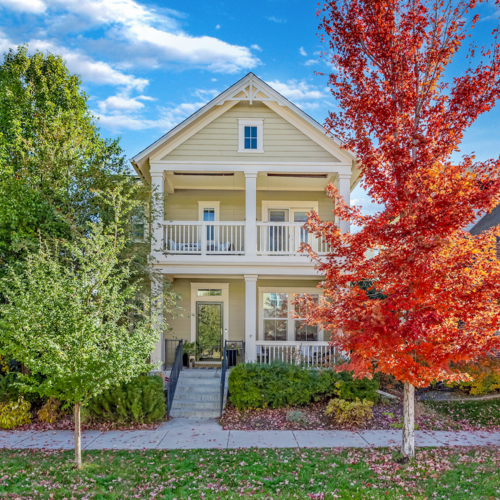



Most Denver homebuyers spend weeks obsessing over granite countertops and master bedroom sizes, but the real decision happens the moment they step out their front door. Living in Denver means your neighborhood determines whether you'll actually use those running shoes gathering dust in your closet, whether your dog will have space to socialize, and whether Sunday mornings involve a five-minute walk to your favorite coffee spot or a twenty-minute drive through traffic. The question isn't really about square footage anymore - it's about which Denver neighborhoods let you bike to work without breaking a sweat, find a quiet spot for weekend picnics, or discover running paths that don't require loading up the car first. Homes near parks in Denver consistently hold their value because they solve the daily puzzle of modern life, where wellness and convenience matter as much as mortgage rates. Buyers increasingly recognize that outdoor access shapes everything from their stress levels to their social connections, making neighborhood choice more personal than ever. Platt Park offers a different rhythm than Wash Park, while Sloan's Lake appeals to different priorities than Berkeley or Park Hill. Each area creates its own version of the outdoor lifestyle that draws people to Colorado in the first place. This guide breaks down exactly how five key Denver neighborhoods support different ways of living, helping you match your daily habits and long-term goals with the right location. Which neighborhood will actually get you outside more often, and how do you know before you buy?
Why outdoor access should come before square footage
A three-bedroom house with a cramped backyard often feels smaller than a two-bedroom home steps away from Washington Park's sprawling lawns and tree-lined paths. The extra bedroom sits empty most days, while the park becomes an extension of daily life - a place for morning jogs, evening walks, and weekend gatherings that make the smaller indoor space feel perfectly adequate.
How outdoor amenities transform daily routines
Morning coffee tastes better on a bench overlooking Sloan Lake than at a kitchen island facing another house's brick wall. When trails, dog parks, and green spaces sit within walking distance, exercise stops being a scheduled event and becomes a natural part of getting from point A to point B. The fifteen-minute walk to the grocery store through tree-lined streets replaces the ten-minute drive through traffic, turning errands into opportunities for fresh air and spontaneous conversations with neighbors.
"Living in Denver means you're surrounded by breathtaking natural beauty" that becomes accessible through smart neighborhood choices rather than weekend road trips. Regular access to these spaces creates measurable improvements in stress levels, sleep quality, and overall physical health. Dog owners find their pets happier and better socialized when daily walks include off-leash areas and interactions with other animals. Parents discover that children who can safely bike to school or walk to nearby playgrounds develop independence and confidence that indoor square footage simply cannot provide.
The lifestyle advantages become clear through daily experience:
- Morning routines improve when running paths start at your doorstep instead of requiring a drive
- Social connections multiply through regular encounters at dog parks, farmers markets, and community events
- Mental clarity increases with easy access to quiet green spaces for reading, meditation, or phone calls
- Weekend plans simplify when entertainment options exist within walking or biking distance
Denver's market rewards outdoor accessibility
Buyers increasingly search for homes based on proximity to Cherry Creek Trail, Washington Park, or Sloan's Lake rather than focusing solely on interior features. This shift reflects a broader understanding that outdoor amenities provide value that renovations cannot replicate. A kitchen can be updated, but relocating a house closer to quality trails and parks requires selling and buying elsewhere.
Denver's geography makes walkable access to outdoor recreation particularly valuable because the city's layout naturally integrates parks, trails, and green corridors into residential areas. Neighborhoods that capitalize on this advantage maintain stronger property values during market fluctuations. Homes near established trail systems and parks consistently attract multiple offers, while similar properties in car-dependent areas may sit longer on the market.
Choosing based on lifestyle compatibility rather than maximum square footage creates a foundation for long-term satisfaction that transcends market cycles and changing family needs. A couple may outgrow their starter home's two bedrooms, but they rarely outgrow their love for morning walks around the lake or evening bike rides through safe, well-maintained neighborhoods.
A quick match for the Denver lifestyle you actually want
Narrowing down Denver neighborhoods becomes straightforward when you focus on how you actually spend your free time rather than browsing endless property listings. Each area attracts specific types of buyers because the outdoor amenities and community features align with particular lifestyles and daily habits.
Washington Park draws families and active professionals who crave the classic Denver park experience with established running loops, multiple playgrounds, and lakeside relaxation spots. "For many buyers, living near Washington Park represents the ideal blend of urban convenience and outdoor living" with tree-lined streets leading to cafes where weekend mornings unfold over coffee and pastries. The neighborhood supports both structured fitness routines and spontaneous family picnics, making it perfect for households that want predictable outdoor access without sacrificing urban amenities.
Sloan Lake appeals to young professionals and fitness enthusiasts who prioritize water views and seamless downtown connectivity. The 2.6-mile loop around the lake accommodates everything from power walking to casual strolls, while the western views of the mountains create an ideal backdrop for evening runs or weekend yoga sessions. Bike lanes connect directly to downtown Denver, allowing residents to commute without cars while maintaining easy access to restaurants and nightlife.
Platt Park suits longtime homeowners and community-focused buyers who prefer a slower pace with strong local character. The neighborhood centers around Platt Park itself, which hosts farmers markets, outdoor movie nights, and seasonal festivals that foster genuine connections between neighbors. Local coffee shops and boutiques within walking distance create a small-town feel while maintaining proximity to downtown Denver for work or entertainment.
Berkeley attracts dog owners, cyclists, and buyers who want flexible outdoor options without committing to a single activity. The neighborhood's grid layout makes bike commuting practical, while multiple small parks and the nearby Highlands neighborhood provide varied settings for different moods and activities. Weekend farmers markets and walkable breweries support an active social life that doesn't require extensive planning or travel.
Park Hill appeals to families and buyers seeking historic charm combined with substantial green space for long-term settling. The tree-lined streets and larger lots provide room for gardens, while City Park offers everything from golf courses to museums within walking distance. The neighborhood's established character and strong schools make it ideal for families planning to stay put for years rather than treating their home as a stepping stone.
Matching your daily preferences with neighborhood strengths prevents the common mistake of choosing based on impressive square footage that doesn't support how you actually want to live. "Buyers consistently prioritize neighborhoods that allow them to enjoy parks, trails, and open space without needing to drive far" because convenience shapes long-term satisfaction more than interior features.
Wash Park for classic park life and everyday convenience
Real estate agents consistently describe Washington Park as the gold standard for Denver buyers who refuse to compromise between urban energy and outdoor recreation. The neighborhood functions as a living laboratory where residents test whether daily routines can genuinely integrate nature without sacrificing professional ambitions or social connections.
Why Wash Park works for daily outdoor living
Washington Park's "155 Acres of Green Space" creates multiple zones that accommodate different outdoor preferences throughout the week. The dual lakes anchor morning jogging circuits and weekend paddle boating adventures, while the interconnected trail system supports everything from power walking meetings to leisurely evening strolls with neighbors. Dog owners gravitate toward the designated off-leash areas where pets socialize while their humans form lasting friendships over shared training tips and weekend plans.
The mature tree canopy along residential streets extends the park experience beyond official boundaries, creating natural corridors that make cycling to work feel more like recreation than commuting. Multiple playgrounds scattered throughout the space allow families to rotate between different equipment and settings, preventing the weekend doldrums that plague neighborhoods with limited outdoor options. Tennis courts and open fields provide structured activity options for residents who prefer organized sports to unstructured wandering.
Who it fits and why buyers keep choosing it
The neighborhood's Walk Score of approximately 73 reflects genuine walkability rather than theoretical convenience, with coffee shops, restaurants, and essential services clustered along South Gaylord Street and nearby corridors. Professionals discover that bike commutes to downtown Denver take 10-15 minutes through protected lanes and quiet residential streets, making car-free living practical rather than aspirational. The combination supports busy schedules while maintaining connection to outdoor spaces that larger, car-dependent neighborhoods cannot match.
Families with school-age children find the balance particularly compelling because kids can safely bike to friends' houses while parents maintain easy access to adult amenities and professional networking opportunities. Active couples appreciate having multiple outdoor options within walking distance, eliminating the need to drive to different locations for variety in their fitness routines. The neighborhood attracts professionals who work remotely or have flexible schedules because the outdoor spaces provide natural breaks from screen time without requiring significant travel or planning.
Exploring available homes near Wash Park reveals how property layouts complement the outdoor-focused lifestyle, with many homes featuring bike storage, mudrooms, and outdoor entertaining spaces that extend the park experience into private settings.
Sloan Lake for water views and an easy active routine
Water changes everything about how a neighborhood feels and functions, and Sloan Lake demonstrates this principle better than any other Denver location. While Washington Park centers around manicured lawns and established social patterns, this area opens up around Denver's largest urban water feature, creating space for both solitude and spontaneous gatherings. The expansive shoreline and mountain backdrop provide a sense of scale that makes even busy weekdays feel less confined, while maintaining the urban connectivity that keeps professional life manageable.
"Sloan Lake is the biggest body of water in Denver" at 177 acres, and the water itself becomes the organizing principle for everything from morning exercise routines to weekend social plans. The "2.8-mile paved path circles the lake" in a perfect loop that accommodates runners, cyclists, and dog walkers without the crowding that affects smaller neighborhood parks. Kayakers and paddleboarders launch directly from multiple shoreline access points, turning lunch breaks into mini-adventures that require no advance planning or equipment hauling. Evening hours bring couples and friends to the western shore, where unobstructed sunset views create natural gathering spots that shift with the seasons and weather patterns.
The practical advantages of lakeside living extend beyond recreation into daily convenience and lifestyle flexibility:
- Morning workouts become effortless when the loop trail provides measured distances and varied terrain without traffic interruptions
- Young professionals and dog owners find the open space ideal for both structured exercise and casual socializing with neighbors
- Pedestrian and bike infrastructure connects seamlessly to downtown Denver through protected lanes and quiet residential streets
- Local coffee shops and restaurants cluster along nearby Sloan Lake Park and Highland neighborhoods within easy walking distance
- Downtown access takes 15 minutes by bike through dedicated lanes that avoid heavy traffic corridors
Choosing Sloan Lake means accepting that water views and open space will shape daily rhythms in ways that traditional neighborhood amenities cannot match. Evening walks extend naturally as the western light shifts across the water, while weekend mornings invite longer outdoor sessions without the need for driving to trailheads or parks. Social connections develop organically through shared activities like paddleboarding lessons or sunset photography, creating community bonds that feel less forced than organized neighborhood events. The combination of urban accessibility and natural beauty supports both ambitious career goals and genuine outdoor recreation without requiring constant trade-offs between the two priorities.
Browsing current Sloan Lake listings reveals how waterfront proximity influences home layouts and outdoor living spaces in ways that complement the neighborhood's active lifestyle.
Platt Park for a slower pace and a stronger community feel
Stepping away from lakefront grandeur and mountain vistas, some Denver buyers discover that authentic outdoor living happens in neighborhoods where green space weaves seamlessly through daily errands and weekend traditions. Platt Park operates on this principle, creating an environment where outdoor activities feel less like scheduled events and more like natural extensions of grocery runs, coffee dates, and evening strolls through tree-lined residential streets.
Why Platt Park feels more woven into daily life
The neighborhood's outdoor rhythm centers around Platt Park itself, a compact green space that hosts everything from morning dog walks to afternoon reading sessions under mature shade trees. Running enthusiasts find multiple route options that connect through quiet residential blocks and link to the South Platte River Trail for longer distances when motivation strikes. Families spread blankets on grassy areas that never feel overcrowded, while children use playground equipment that sits close enough to home that parents can walk over for impromptu play sessions without loading car seats or planning elaborate outings.
These outdoor spaces connect directly to Old South Pearl Street and South Broadway, where post-exercise coffee stops and farmers market visits blend naturally with essential errands. "Old South Pearl Street Farmers' Market" operates "every Sunday from May to November" and transforms routine grocery shopping into social events where neighbors catch up while selecting fresh produce and baked goods. Walking from the park to Corvus Coffee Roasters or stopping at local restaurants after weekend bike rides creates a flow between recreation and daily necessities that eliminates the artificial separation between outdoor time and practical responsibilities.
Who Platt Park suits best
Longtime homeowners and community-focused households find particular satisfaction in the neighborhood's emphasis on regular events and familiar faces. "Platt Park People's Association" organizes "happy hours, picnics, movie nights" that create genuine connections between residents who share similar values around neighborhood involvement and local support. Buyers who prioritize knowing their neighbors' names and participating in seasonal traditions discover that outdoor living here includes social dimensions that larger, more anonymous neighborhoods cannot replicate.
The tradeoff compared to Sloan's Lake becomes clear through daily experience rather than dramatic first impressions. Morning walks around Platt Park lack sweeping water views and mountain backdrops, but they consistently deliver encounters with familiar dogs, conversations with regular joggers, and seasonal changes that mark time through community rhythms rather than spectacular scenery. Outdoor activities integrate into normal routines without requiring special preparation or travel, making fitness and fresh air accessible during busy work weeks when driving to distant trails feels impossible.
Finding the right balance between neighborhood character and practical convenience shapes long-term satisfaction more than impressive amenities that require weekend planning. Exploring Platt Park homes reveals how properties in this area support outdoor-integrated lifestyles through thoughtful layouts and proximity to both green space and essential services.
Berkeley for bikeable weekends and dog friendly green space
Berkeley operates as Denver's sweet spot for buyers who refuse to choose between structured fitness routines and spontaneous weekend adventures. The neighborhood's grid layout and gentle terrain create natural cycling routes that connect seamlessly to Highland Square's breweries and cafes, while scattered pocket parks provide quick stops for dog socialization and impromptu picnics. Unlike areas that require driving to access quality outdoor recreation, Berkeley places multiple green spaces within a few blocks of most residential streets, making active living feel effortless rather than scheduled.
The neighborhood's outdoor infrastructure supports both planned activities and last-minute decisions through its network of tree-lined streets and accessible park spaces. Cyclists discover that Berkeley's relatively flat terrain and bike-friendly intersections make commuting to downtown Denver or exploring nearby Highlands neighborhoods feel more like recreation than transportation. Dog owners benefit from several smaller parks and green areas that accommodate different energy levels and socialization needs throughout the week. Local establishments along Tennyson Street and nearby corridors stay open later than typical suburban businesses, creating opportunities to extend outdoor activities into evening social plans without extensive coordination or travel between locations.
Berkeley's flexible outdoor lifestyle shows up in daily scenarios that require minimal advance planning:
- Early morning bike rides through quiet residential blocks connect to Highland Square for coffee stops before work commitments
- Quick dog park visits at nearby green spaces allow for pet exercise and neighbor conversations during lunch breaks or evening walks
- Weekend farmers market trips to Highlands Square blend grocery shopping with outdoor time and community interaction
- Spontaneous brewery visits after hiking or cycling become walkable options rather than driving destinations
- Casual dinner plans can include outdoor seating at local restaurants following afternoon park time or bike rides
Creative professionals and remote workers find Berkeley particularly appealing because the neighborhood supports both focused work-from-home routines and active breaks that don't require significant time investment or travel. Dog owners appreciate having multiple outdoor options within walking distance, eliminating the need to drive to larger parks for daily exercise needs. Buyers who prioritize walkability without sacrificing access to green space discover that Berkeley delivers both urban convenience and outdoor recreation through thoughtful neighborhood design rather than dramatic natural features. The area attracts residents who value community connections formed through shared outdoor activities like cycling, dog walking, and farmers market visits rather than formal organized events or structured programming.
Exploring Berkeley neighborhood listings reveals how homes in this area support active lifestyles through practical features like bike storage, mudrooms, and easy access to the outdoor amenities that make daily recreation feel natural rather than forced.
Park Hill for family picnics and long term comfort
Families searching for a Denver neighborhood where children can safely ride bikes to school and parents can envision decades of Saturday morning soccer games find themselves drawn to Park Hill's established residential character. The area represents a departure from neighborhoods that prioritize weekend adventures or young professional convenience, instead offering the kind of deep-rooted community infrastructure that supports multi-generational living and long-term investment in local schools, traditions, and neighbor relationships.
Historic charm meets outdoor family living
Park Hill's tree-canopied streets create natural shade corridors that connect historic bungalows and Tudor-style homes to City Park's expansive recreational facilities. Children develop independence walking or biking through these established residential blocks, where sidewalks remain wide enough for stroller navigation and front porches encourage casual conversations between neighbors who have often lived in the area for years. The architectural consistency and mature landscaping provide a visual stability that appeals to families planning to stay put through elementary school graduations, teenage driving lessons, and eventual empty nest years.
City Park's 330 acres function as an extension of backyard space for Park Hill residents, offering everything from the Denver Zoo and Museum of Nature & Science to golf courses and multiple playgrounds that accommodate different age groups simultaneously. Families spread picnic blankets on open lawns without competing for space, while children rotate between playground equipment, duck ponds, and open fields that support everything from frisbee games to impromptu soccer matches. The park's layout encourages slower weekend rhythms where parents can supervise multiple children across different activity areas without feeling rushed or constrained by limited space or time restrictions.
Balancing work demands with family priorities
Professional parents discover that Park Hill's central location allows them to maintain downtown career commitments while ensuring children can walk to neighborhood schools and after-school activities. The area's proximity to major transportation corridors means commutes remain manageable even during busy family seasons when carpools, school events, and weekend sports tournaments fill the calendar. Unlike neighborhoods that require extensive driving for basic family needs, Park Hill places essential services within walking distance while maintaining the residential quiet that supports both remote work calls and children's homework routines.
The emotional appeal of Park Hill extends beyond practical considerations into the realm of generational investment and community belonging. Families often choose homes here not just for immediate needs but for the stability that allows children to maintain friendships through high school and parents to develop the kind of neighbor relationships that provide mutual support during busy periods or family emergencies. The neighborhood's established character means that local institutions like schools, community centers, and small businesses have deep roots that create continuity even as individual families move through different life stages.
Exploring Park Hill properties reveals how homes in this area support the kind of settled family life that builds equity both financially and emotionally, making it an ideal choice for buyers seeking homes near parks in Denver with genuine long-term livability.
What buyers ask most about homes near parks in Denver
Buyers consistently ask the same practical questions when searching for properties that deliver genuine outdoor access without sacrificing career opportunities or urban conveniences. These questions reveal how location decisions extend far beyond mortgage rates and square footage into the daily realities of commute times, weekend routines, and long-term lifestyle satisfaction.
- Which Denver neighborhoods offer the best outdoor access near downtown? Sloan Lake and Washington Park lead this category because both provide extensive recreational facilities within 15 minutes of downtown Denver by bike or car. Sloan Lake offers the 2.8-mile loop trail around Denver's largest urban water feature, while Washington Park delivers 155 acres of green space with dual lakes and established running circuits. Both neighborhoods maintain protected bike lanes and public transit connections that make car-free commuting realistic for professionals who work downtown.
- Which areas balance walkability and urban convenience with nearby parks? Capitol Hill and Cherry Creek provide this combination through dense commercial districts paired with accessible green spaces, though their park access requires more planning than neighborhoods built around major recreational areas. Berkeley and Platt Park offer stronger integration between daily errands and outdoor time, with walkable business districts that connect directly to multiple park options and trail systems.
- Are homes near parks in Denver more competitive? Properties within walking distance of major parks consistently attract multiple offers and sell faster than comparable homes in car-dependent locations. Buyers recognize that outdoor amenities cannot be renovated or added later, making location-based features more valuable than interior upgrades that can be changed over time. Market data shows these properties maintain stronger resale values during economic fluctuations because outdoor access appeals to buyers across different life stages and income levels.
- Why do buyers see lasting value in these locations? Daily access to outdoor recreation creates measurable improvements in physical health, stress management, and social connections that compound over years of residence. Families discover that children who can safely bike to school and walk to playgrounds develop independence and confidence, while adults find that regular outdoor exercise becomes effortless when trails start at their doorstep. These lifestyle benefits increase satisfaction with home purchases long after the initial excitement of moving fades.
- How should buyers choose between family space, dog-friendly amenities, lakeside scenery, or a walkable social scene? Park Hill suits families seeking established schools and community stability, while Sloan's Lake appeals to young professionals who prioritize water views and downtown connectivity. Berkeley works best for buyers who want flexible outdoor options without committing to a single activity type, and Platt Park attracts community-focused households who prefer slower rhythms and local traditions.
- What tools should buyers use to compare neighborhoods and listings? Neighborhood pages provide detailed information about local amenities, school ratings, and community events that shape daily life beyond property features. Market guides offer current pricing trends and inventory levels that help buyers understand competitive dynamics in different areas.
Comparing lifestyle compatibility alongside property features prevents the common mistake of choosing based on impressive square footage that fails to support actual daily preferences and long-term goals.
Final Thoughts
The best Denver neighborhoods do more than provide a place to live — they shape how homeowners move, relax, connect, and recharge every day. We've explored how each area offers something different for outdoor-focused living in Denver. Wash Park delivers classic park life with its tree-lined paths and weekend farmers markets. Sloan Lake brings scenic activity right to your doorstep with lakeside running trails and paddle boarding opportunities. Platt Park offers community rhythm through its walkable streets and local coffee shops. Berkeley provides bikeable flexibility with easy access to downtown and the Highlands. Park Hill focuses on family-focused comfort with spacious yards and kid-friendly green spaces.
This breakdown helps you think beyond square footage and consider how each neighborhood supports the outdoor lifestyle you want most. Your daily routine, social connections, and overall wellness depend heavily on what lies just outside your front door. Whether you need morning running routes, dog parks for weekend adventures, or safe bike lanes for commuting, the right neighborhood makes these activities feel natural rather than forced.
Continue your search by exploring neighborhood guides and current homes near parks in Denver. Look at available listings in each area and walk through neighborhoods during different times of day to get a real feel for the pace and energy. Choosing the right neighborhood often turns a house into a place that truly feels like home — somewhere that matches not just your budget, but your daily rhythms and long-term happiness.
Check out this article next