


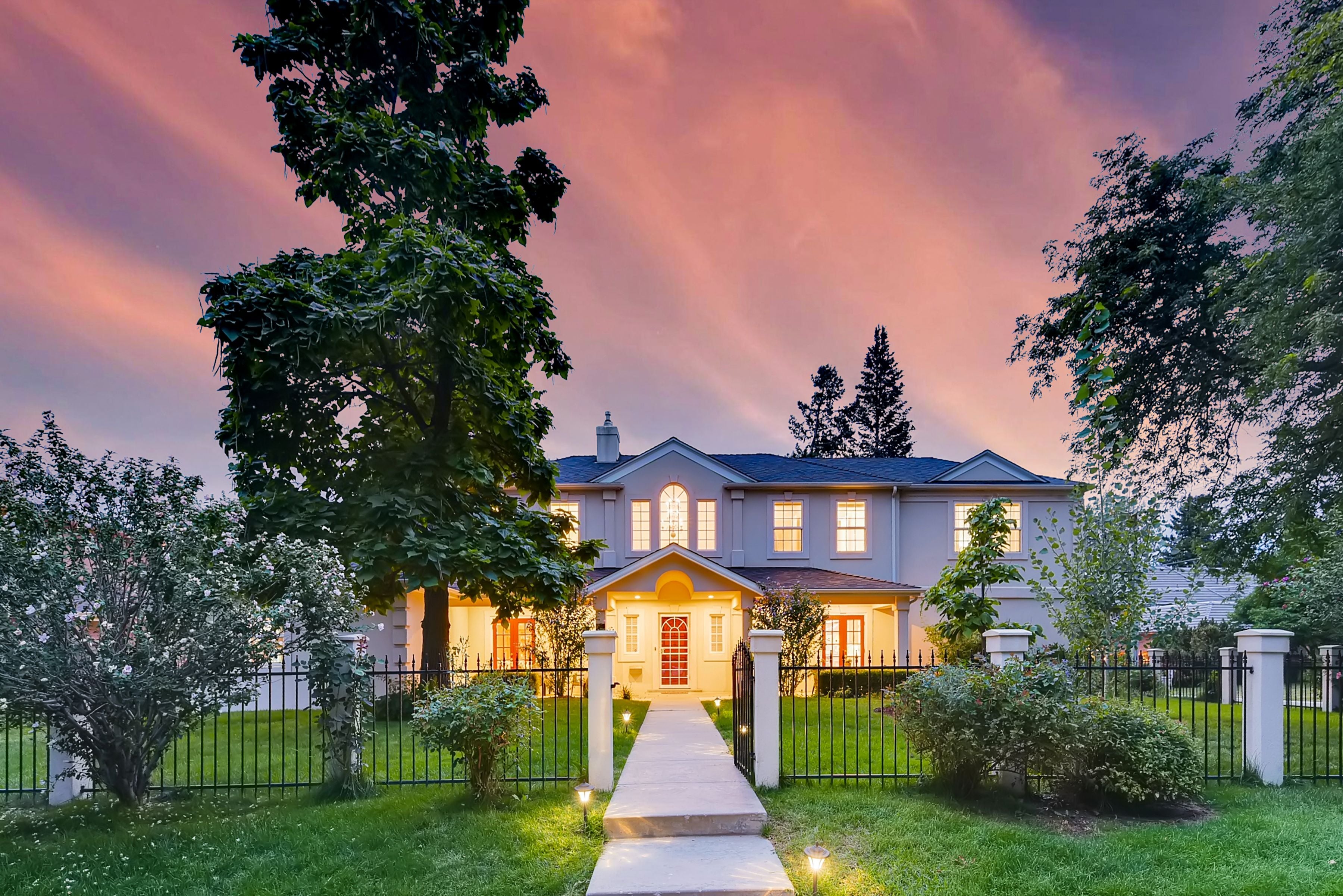
Selling a distinguished home in Denver requires more than putting a property on the market and waiting for the right buyer. The most successful sales begin with a clear understanding of what makes a home valuable, how it compares with competing properties, and what discerning buyers will expect when they walk through the door.
At the luxury level, buyers often have a detailed understanding of the market. They may be comparing architectural styles, construction quality, outdoor living spaces, views, privacy, and the overall condition of several properties before deciding which deserves their attention. Small details can influence their perception, while the right combination of presentation, pricing, and marketing can help a property stand apart.
Preparing a luxury home for sale is therefore an exercise in precision. The objective is not to make every property look the same or to invest indiscriminately in upgrades. It is to identify the improvements that matter, present the home with intention, and develop a selling strategy aligned with your financial goals and personal circumstances.
Here is how I approach preparing a luxury Denver residence for the market.
1. Start With a Clear Selling Strategy
Before arranging staging, scheduling photography, or deciding which improvements to make, establish the strategy behind the sale.
The right preparation plan depends on the property, its current condition, the likely buyer, and your priorities as a seller. A contemporary home with expansive windows and mountain views may require a different presentation from a historic residence with original architectural details or a property designed around extensive outdoor entertaining.
The timing of your sale also matters. You may be preparing for a relocation, coordinating the purchase of another home, downsizing, or simply taking advantage of a favorable market opportunity. These circumstances influence how much time you have for preparation, how you approach showings, and whether a more discreet listing strategy deserves consideration.
I begin by evaluating the property's defining features, reviewing relevant market information, and discussing the seller's objectives. Together, we can determine where preparation is likely to have the greatest impact, establish a realistic timeline, and identify decisions that need to be made before the home goes live.
This early planning helps prevent unnecessary spending and last-minute compromises. It also creates a framework for evaluating every subsequent decision, from staging and repairs to pricing and marketing.
2. Identify What Makes the Property Distinctive
Every luxury home has a story, even when its appeal is not immediately obvious in a listing description.
The defining qualities might include architectural design, custom millwork, carefully selected materials, expansive windows, a thoughtfully landscaped garden, or a floor plan that makes entertaining feel effortless. In Denver, a property's relationship to its surroundings may also be central to its appeal.
Mountain views, natural light, access to outdoor spaces, privacy, and proximity to the amenities a buyer values can all contribute to how a home is perceived. The importance of each feature depends on the property and its intended audience.
Before preparing a home for sale, consider three questions:
What is genuinely difficult to replicate? This might be a particular view, a distinctive architectural feature, a mature landscape, or the craftsmanship of a custom renovation.
Which spaces best demonstrate the property's value? A well-designed kitchen, primary suite, entertaining area, or outdoor terrace may deserve particular attention in the presentation.
What might a buyer overlook without thoughtful presentation? Features such as integrated storage, architectural lighting, custom finishes, or the connection between indoor and outdoor living spaces may need to be highlighted deliberately.
These answers inform more than the listing description. They help determine which rooms receive the most attention during preparation, how photography should be planned, and which features should lead the marketing.
The goal is a coherent presentation in which the property's strongest qualities are immediately apparent.
3. Make Targeted Improvements Before Listing
One of the most common mistakes sellers make is assuming that a luxury home needs extensive renovations to compete in the market. In reality, the value of an improvement depends on the property's condition, the expectations of its likely buyers, and the cost relative to the potential benefit.
A comprehensive renovation may be appropriate for some homes, but it is rarely the first step to consider without evaluating the alternatives.
Prioritize repairs and maintenance
Begin with issues that could distract buyers or raise questions about how the property has been maintained. Depending on the home, these may include:
Paint damage, scuffed walls, or worn trim.
Dripping faucets, loose hardware, or malfunctioning fixtures.
Burned-out bulbs, inconsistent lighting, or damaged switches.
Worn flooring, deteriorating grout, or visible caulking issues.
Landscaping that needs pruning, seasonal cleanup, or attention to irrigation.
Windows, doors, and exterior features that require maintenance.
The objective is to present a home that feels well cared for. Visible maintenance issues can prompt buyers to wonder what else may need attention, even when the underlying property is in good condition.
For more substantial concerns, consider whether an appropriate specialist should assess the issue before listing. Addressing known problems early allows you to make informed decisions rather than responding under pressure during negotiations.
Be selective about upgrades
Once maintenance is addressed, evaluate cosmetic improvements based on the property's existing quality and style.
A dated light fixture may be worth replacing if it detracts from an otherwise beautifully designed room. A fresh coat of paint may help unify a space. Updating every bathroom or replacing a functional kitchen, however, may not be justified if the cost is unlikely to be reflected in the sale.
I recommend evaluating proposed improvements in the context of the home's competitive position rather than pursuing renovations simply because they are common in other listings.
A useful question is whether a proposed change will materially improve the buyer's experience or address a concern that could otherwise weaken the property's presentation.
Consider the exterior as part of the first impression
The approach to the home sets expectations before a buyer steps inside. Clean entryways, well-maintained landscaping, functioning exterior lighting, and an orderly outdoor environment help establish a sense of care.
For properties with patios, terraces, gardens, or other outdoor living areas, preparation should also account for how these spaces will appear in photographs and during showings. Seasonal conditions in Denver can influence what is practical, so the plan should reflect the listing timeline and the features available to showcase at that time.
Not every improvement needs to be dramatic. Often, a series of thoughtful adjustments creates a more cohesive impression than a costly renovation.
4. Stage the Home to Clarify Its Potential
Staging is not about removing every trace of personality or turning a distinctive residence into a generic show home. It is about helping buyers understand the proportions, function, and possibilities of each space.
Luxury buyers may be evaluating how a home accommodates entertaining, working remotely, hosting guests, or enjoying time outdoors. Furniture placement, room function, and visual continuity can make those possibilities easier to understand.
Edit before adding
Begin by removing excess furniture, personal collections, and decorative items that compete for attention. Clear countertops, simplify bookshelves, and ensure that the primary circulation paths through each room are unobstructed.
This process can be particularly valuable in homes with strong architectural features. When a room contains extensive millwork, dramatic windows, or distinctive materials, an overly busy arrangement can distract from the details that make the space special.
Give every room a clear purpose
Rooms that serve several functions may benefit from a more deliberate arrangement. A spare room used for storage, for example, may be better presented as a guest bedroom, office, or flexible living space, depending on the home's layout and likely buyer.
The aim is not to suggest that every buyer must use a room in the same way. It is to make the available space feel intentional and easy to interpret.
Match staging to the property
Some homes benefit from professional staging throughout, while others need only targeted adjustments to existing furnishings. The appropriate approach depends on the home's architectural character, condition, and current presentation.
For a high-end property, staging decisions should respect the design rather than compete with it. Furniture scale, materials, color, and placement should complement the home's proportions and help its best features remain the focus.
Before investing in staging, consider which rooms will have the greatest influence on a buyer's first impression and which changes are likely to make the most meaningful difference.
5. Prepare for Professional Photography and Video
A buyer's first encounter with a home often happens online, long before a showing is scheduled. Photography and video therefore play an important role in communicating the property's character and encouraging qualified buyers to take the next step.
At the luxury level, production quality should reflect the property being presented. Images need to do more than document individual rooms; they should communicate the relationship between spaces, the quality of the finishes, and the overall experience of living in the home.
Plan the visual story
Before the photography appointment, determine which features deserve the most attention. Depending on the property, this could include:
Architectural details and custom finishes.
The kitchen, primary suite, and principal living areas.
Natural light and views from key rooms.
Indoor-outdoor transitions and entertaining spaces.
Landscaping, terraces, gardens, or other distinctive exterior features.
The home's approach, setting, and relationship to its surroundings.
This planning helps ensure that the final collection of images feels cohesive rather than like an unrelated series of room photographs.
Prepare each space carefully
The home should be fully ready before the photographer arrives. Personal items, cleaning supplies, pet accessories, visible cords, and other distractions should be removed. Windows should be clean, surfaces thoughtfully arranged, and lighting checked throughout the property.
Outdoor spaces also need attention. Weather, foliage, and seasonal conditions may affect the final images, so photography should be scheduled with the home's most compelling features in mind.
Video can provide an additional perspective by showing how rooms connect and how the property feels as a whole. Its role should be considered alongside still photography rather than as an automatic addition to every listing.
Professional production is an investment in how the property is introduced to the market. It deserves the same attention to detail as the preparation of the home itself.
6. Develop a Marketing Strategy Around the Property
Once the home is ready, the next question is how to present it to the buyers most likely to appreciate its value.
A strong marketing plan begins with the property and its likely audience. The approach for a custom contemporary residence may differ from the strategy for a historic home, a substantial estate, or a property whose appeal rests on its location and outdoor amenities.
The objective is to communicate the right information, reach relevant audiences, and provide prospective buyers with a clear understanding of what distinguishes the property.
Create a considered listing narrative
The listing description should explain the home's defining qualities in specific, meaningful terms. Rather than relying on broad claims about luxury, it should highlight the details that give a buyer a reason to look more closely.
Architectural design, craftsmanship, views, entertaining spaces, and carefully executed improvements may all deserve attention, depending on the property. Descriptions should remain accurate and avoid exaggerating features or making unsupported claims.
Build visibility across relevant channels
Professional photography, video, listing copy, and digital distribution work together to introduce a property to the market. Exposure through major real estate platforms can help buyers discover the home, while Olivia's professional relationships and the Berkshire Hathaway HomeServices network provide additional avenues for connecting with agents and prospective buyers.
The marketing plan should be tailored to the home rather than applied from a template. Each property deserves a clear rationale for how it is presented, which features receive emphasis, and where it is promoted.
Consider the experience beyond the listing
Marketing does not end when a buyer clicks on a photograph. The information available, the quality of the presentation, and the process for arranging a showing all influence the experience.
A coordinated approach helps ensure that the interest generated by the marketing can translate into meaningful inquiries and well-managed property visits.
7. Decide How Much Privacy You Want
Luxury sellers do not all have the same preferences regarding public exposure. Some want a comprehensive public launch, while others place a higher priority on privacy, scheduling flexibility, or a more controlled introduction to prospective buyers.
Personal circumstances may influence this decision. A seller may be managing a relocation, protecting family privacy, coordinating a purchase, or simply preferring to limit access to the property.
For these situations, it is worth discussing the available listing options before committing to a marketing plan.
Understand Private Exclusive listings
Olivia is active with Private Exclusive listings, which may provide an option for sellers who want to explore a more discreet approach to bringing their property to market.
The appropriate strategy depends on the seller's objectives, the property, and the applicable brokerage rules. Before choosing a private approach, sellers should understand the differences in exposure, the audiences who can be reached, and any implications for timing and the opportunity to attract competing interest.
A more private strategy is not automatically the better choice, just as broad public exposure is not necessarily the right answer for every seller. The decision should reflect an informed discussion of the available options and their trade-offs.
It is also important to understand the applicable listing and marketing requirements before proceeding. Private marketing options have specific rules, and the permitted approach should be confirmed with the brokerage.
The priority is to choose a strategy that aligns with your goals and comfort level while making an informed decision about how your home will reach the market.
8. Price the Property With Discipline
Pricing is one of the most consequential decisions in a luxury home sale. It influences which buyers consider the property, how it compares with competing listings, and the position you hold when negotiations begin.
Distinctive properties can be especially challenging to price because no two homes share precisely the same combination of location, architecture, land, condition, and amenities. A property with exceptional views or custom construction may have qualities that are difficult to quantify through a simple comparison with nearby sales.
Look beyond the asking prices of competing homes
A pricing analysis should consider recent comparable sales, current inventory, the characteristics of competing properties, and the differences between asking prices and actual sale prices where that information is available.
The analysis should also account for the home's condition and the improvements that buyers may need to make. A property that is beautifully maintained and ready for immediate occupancy may compete differently from a similar home requiring substantial work.
Market conditions matter as well. Buyer demand, the pace of competing listings, and the amount of choice available in a particular segment can all influence the appropriate pricing strategy.
Consider how buyers will evaluate the property
A seller's attachment to a home is understandable, particularly when the property reflects years of investment and care. Buyers, however, evaluate the home against their alternatives and their own priorities.
An effective pricing discussion takes both perspectives into account. It recognizes the property's strengths while remaining candid about the competitive landscape.
Olivia works with sellers to assess relevant market information and develop a strategy that reflects the property's position and the seller's objectives. Pricing should be a deliberate decision supported by evidence, not simply a reflection of the amount invested in the home or an aspiration to test the market.
Plan for negotiations before the first offer
Pricing and negotiation strategy are closely connected. Before listing, consider your preferred timeline, financial priorities, and the terms that may matter alongside the purchase price.
Offer terms, contingencies, closing dates, and other practical considerations can affect the overall outcome. Establishing your priorities in advance makes it easier to evaluate an offer in its entirety rather than reacting to a single number.
The goal is to enter the market with a clear strategy and adjust thoughtfully as buyer feedback and market conditions provide new information.
9. Coordinate the Timeline From Preparation to Closing
Preparing a luxury home for sale involves multiple moving pieces, and the order in which decisions are made can affect both efficiency and cost.
Repairs may need to precede staging. Staging needs to be completed before photography. Photography and marketing materials must be ready before the public launch or another agreed-upon listing strategy begins. Showings, feedback, negotiations, and closing arrangements follow.
A coordinated plan reduces the risk of rushed decisions and helps keep the process manageable.
Establish a realistic preparation schedule
The amount of time required depends on the property's condition and the scope of work. A home needing only minor maintenance and editing may be ready relatively quickly. A property requiring contractors, landscaping, significant staging, or other improvements needs more lead time.
Build in flexibility for vendor availability and unexpected issues. It is generally better to make informed preparation decisions than to rush a home onto the market before it is ready.
Coordinate vendors and property access
Depending on the property, preparation may involve cleaners, landscapers, painters, stagers, photographers, and other specialists. Coordinating their work helps ensure that each stage is completed in the right order.
Access also deserves attention, particularly when sellers are living in the property or managing a busy schedule. Agreeing on arrangements for appointments, showings, and feedback in advance can make the experience less disruptive.
Prepare for the period after listing
The work continues once the property is available to buyers. Showing arrangements, buyer questions, feedback, offers, inspections, and closing logistics all require timely attention.
Olivia's concierge approach is designed to bring these details together through a coordinated process tailored to the seller's needs. Clear communication and a defined plan help sellers understand what is happening, what decisions are required, and what to expect next.
The aim is to make a complex transaction more manageable while keeping the strategy focused on the seller's priorities.
10. Choose an Advisor Who Understands the Stakes
Selling a luxury residence involves decisions that extend beyond the property itself. Pricing, marketing, privacy, negotiation, and timing all influence the experience and potential outcome.
The right advisor should be able to explain the reasoning behind the strategy, provide candid guidance, and coordinate the details without losing sight of the seller's broader objectives.
Olivia Casa Monday works with Denver-area buyers and sellers, bringing a personalized approach to real estate and a focus on thoughtful service. Her professional credentials include the Seller Representative Specialist (SRS), Accredited Buyer's Representative (ABR), Seniors Real Estate Specialist (SRES), and Graduate, REALTOR® Institute (GRI) designations, alongside her Luxury Collection Specialist credentials.
For sellers, the value of this relationship lies in having a clear point of contact throughout the process: someone who can help evaluate preparation decisions, develop a marketing approach, discuss pricing, and navigate the choices that arise from listing through closing.
Every property and every seller has different priorities. The process should reflect those differences.
Preparing Your Denver Home for Its Next Chapter
A successful luxury home sale begins well before the listing goes live. It starts with understanding the property's defining qualities, making informed decisions about preparation, and establishing a strategy for presentation, pricing, and marketing.
Some homes benefit from targeted improvements and careful editing. Others require a more involved plan for staging, photography, or coordinating vendors. For some sellers, a Private Exclusive approach may also be worth exploring. The right combination depends on the home, the market, and what matters most to you.
If you are considering selling a luxury home in Denver, I welcome the opportunity to discuss your property, your timeline, and the approach that best supports your goals.
Contact Olivia Casa Monday at 720-308-6669 to arrange a private consultation.
Frequently Asked Questions About Preparing a Luxury Home for Sale in Denver
How far in advance should I prepare my luxury home for sale?
Ideally, begin planning several weeks to a few months before your intended listing date. The timeline depends on the home's condition and whether it needs repairs, painting, landscaping, staging, or other improvements. Starting early allows time to compare options, coordinate vendors, and prepare professional marketing materials without unnecessary pressure. A property that is already in excellent condition may need considerably less preparation.
What improvements should I make before selling a luxury home?
Start with maintenance and repairs, then evaluate cosmetic improvements that could meaningfully improve the property's presentation. Fresh paint, updated lighting, careful landscaping, and minor repairs may be worthwhile, depending on the home. Larger renovations should be assessed individually against their cost, the property's competitive position, and buyer expectations. Not every improvement will produce a corresponding increase in sale price.
Is professional staging necessary for a luxury home?
Not always, but professional staging can help buyers understand the scale, function, and potential of a property. It may be particularly useful when rooms feel crowded, have an unclear purpose, or would benefit from a more cohesive presentation. Some homes need full staging, while others benefit from editing existing furnishings and making targeted adjustments. The best approach complements the home's architecture and intended buyer.
When is the best time to sell a luxury home in Denver?
The best time depends on the property, its likely buyer, current competition, and your personal timeline. Spring and summer can offer advantages for showcasing landscaping and outdoor living spaces, while other seasons may suit properties whose interiors, views, or architectural features are compelling year-round. Rather than relying on a seasonal rule, evaluate current market conditions and the home's readiness before choosing a listing date.
How should I price a luxury home in Denver?
Pricing should reflect recent comparable sales, competing inventory, the home's condition, distinctive features, and current buyer demand. Luxury properties can be difficult to compare directly because architecture, views, land, and custom finishes vary considerably. A detailed market analysis helps establish a defensible price and provides a basis for discussing strategy, negotiations, and potential adjustments as the market responds.
What is a Private Exclusive listing?
A Private Exclusive listing is a listing option that may allow a property to be marketed more discreetly than a traditional public listing, subject to the applicable brokerage rules and requirements. The specific exposure and permitted marketing activities depend on the program and listing arrangement. Sellers should discuss the benefits, limitations, and trade-offs with their agent before deciding whether a private approach fits their goals.
Should I list my home publicly or consider a private listing strategy?
The decision depends on your priorities. Public marketing can provide broad exposure, while a more discreet approach may appeal to sellers who value privacy or want to explore specific marketing options before a wider launch. Each approach has trade-offs, including differences in visibility and access to prospective buyers. Olivia can discuss the available options, explain the applicable requirements, and help you evaluate the approach that best aligns with your objectives.
How can I make my luxury home stand out online?
Start with professional photography that communicates the property's defining features, followed by accurate, compelling listing copy and a marketing plan suited to its likely audience. Prepare the home carefully before photography, paying attention to lighting, clutter, landscaping, and the presentation of key rooms. A cohesive approach across listing materials and relevant marketing channels helps buyers understand what distinguishes the property.
What should I do before a buyer's first showing?
Make sure the home is clean, well maintained, and ready to be experienced without unnecessary distractions. Clear countertops, put away personal items, check lighting, and ensure that entryways and outdoor areas are tidy. Address any minor maintenance issues that remain and make it easy for buyers to move through the home. If possible, plan to be away during showings so prospective buyers can explore comfortably and speak openly with their agent.
How long does it take to sell a luxury home in Denver?
There is no single timeline for every luxury property. The time required to secure an offer and complete a sale depends on pricing, property condition, location, buyer demand, competing inventory, and the terms of the transaction. Preparation and a well-considered marketing strategy can help position the home effectively, but no specific timeline or sale price can be guaranteed. Reviewing current comparable sales and market conditions provides a more useful starting point for setting expectations.
What does a concierge real estate approach include?
A concierge approach involves coordinating the details that support the sale, from preparation and vendor scheduling to marketing, showing arrangements, offer discussions, and closing logistics. The scope is tailored to the property and seller. For someone managing a relocation, a demanding schedule, or a complex property, having a coordinated process and a consistent point of contact can make the transaction easier to navigate.
How do I get started with selling my Denver luxury home?
Begin with a conversation about your property, your preferred timeline, and your goals for the sale. An initial consultation can help identify the home's strongest features, assess relevant market conditions, and outline the preparation and marketing decisions to consider. You can then determine which next steps make sense before committing to a listing strategy.
Ready to discuss your property? Contact Olivia Casa Monday at 720-308-6669 to arrange a private consultation.
Check out this article next