

Most Denver buyers spend weeks researching voice-controlled thermostats and automated lighting systems, yet miss the bigger question that matters more for their next decade of living. A truly smart home isn't about having the latest gadgets – it's about choosing a space that works beautifully for your life right now while quietly preparing for the changes ahead, whether that's retirement, family shifts, or simply wanting less maintenance and more peace of mind. This kind of home search can feel heavy with emotion, especially when you're trying to balance what you love about your current lifestyle with practical concerns about budget, accessibility, and long-term comfort. We understand that weighing these decisions involves more than comparing square footage and smart features – it's about finding a place that supports your independence and happiness for years to come. This article will walk you through a practical framework for evaluating homes based on layout flow, maintenance demands, mobility considerations, flexible spaces, and technology that actually simplifies your daily routine rather than complicating it. Denver's more balanced 2026 market gives you the breathing room to make these thoughtful comparisons instead of rushing into trend-driven choices that might not serve your real needs. Rather than getting caught up in flashy upgrades, you'll learn to spot the features that truly matter for both your current comfort and future flexibility. What specific elements should you prioritize when a home needs to work well for both your active years and the quieter chapters that follow?
Start with the features you cannot easily change
While automated blinds and voice-controlled lighting might catch your attention during home tours, the structural elements that truly determine your daily comfort require a different kind of evaluation. These permanent aspects of a home will either support or complicate your life for years to come, making them far more critical than any technology upgrade you can install later.
The structural foundation of daily living
"Location, lot size, orientation, and the basic structural layout of a home are fixed or extremely costly to modify." These elements form the backbone of how well a property will serve you both now and in the future. A cramped kitchen that forces you to navigate around an island every time you cook won't improve with smart appliances, and steep stairs to the master bedroom won't become easier to climb regardless of how many motion sensors you install. The bones of the house determine whether daily tasks flow smoothly or create ongoing friction in your routine.
When evaluating these unchangeable elements, focus your attention on these key areas:
- Single-level living options or bedroom placement on the main floor
- Wide doorways and hallways that accommodate mobility aids if needed
- Bathroom locations that don't require navigating stairs during nighttime
- Kitchen placement that connects naturally to main living areas
- Garage access that minimizes steps and weather exposure
- Lot maintenance requirements including lawn size and landscaping complexity
- Natural light patterns throughout the day in primary living spaces
Planning for tomorrow's comfort needs
Your current ability to handle stairs, maintain outdoor spaces, or host overnight guests might change significantly over the next decade. Remote work arrangements could shift, family members might need extended stays, or physical limitations could make certain home features more challenging to navigate. "Floor plans that can flex to accommodate a home office, multigenerational living, or changing needs without major reconstruction hold their value over time." A home office that could convert to a guest room, or a first-floor space that might serve as a bedroom later, provides the adaptability that keeps you comfortable as circumstances evolve.
Can I picture living comfortably here in five to ten years?
Choosing based on structural soundness rather than surface appeal creates a foundation for long-term satisfaction. "A home's mechanical systems and structural condition do not generate excitement during a showing, but they are among the most expensive elements to replace." Focusing on these practical elements first ensures that your technology investments later will enhance an already functional living environment rather than attempting to compensate for fundamental design limitations.
Use a simple checklist for daily comfort and future ease
Walking through potential homes becomes less stressful when you carry a mental framework that helps you assess what truly matters for both your current happiness and tomorrow's needs. This approach transforms overwhelming property visits into focused evaluations where you can quickly identify whether a space will serve you well through different seasons of life.
Daily movement patterns deserve your closest attention during any home tour. Step counts between the garage and kitchen, bathroom accessibility during nighttime hours, and the effort required to reach your bedroom all impact your quality of life more than any smart device ever could. "A floor plan that supports your family's daily life is the foundation of a well-functioning home." Wide hallways that accommodate walkers or wheelchairs, main-floor powder rooms that eliminate stair climbing, and master suites positioned away from steep staircases create an environment where aging happens gracefully rather than becoming a daily struggle. Kitchen workflows matter just as much — counter heights that don't strain your back, appliance placement that minimizes reaching and bending, and pathways that allow two people to cook together without bumping into each other.
Your mental and physical wellness depends heavily on how a home handles light, sound, and space. "Lighting design is one of the most overlooked yet impactful features of a well-functioning home." Morning sunlight streaming into breakfast areas energizes your day, while evening spaces that offer quiet retreats from household activity support better sleep patterns. Open floor plans that don't feel cavernous allow you to stay connected with family members while maintaining your own comfortable zones. Sound management becomes crucial too — bedrooms positioned away from street noise, solid interior walls that provide privacy for phone calls or television watching, and flooring materials that don't amplify every footstep throughout the house.
Adaptable rooms offer the greatest long-term value because life rarely follows predictable patterns. A den that currently serves as your reading nook might need to become a guest bedroom when family members require extended stays, or transform into a craft room during retirement years. "Square footage is expensive, so be intentional and strategic about your spaces." Rooms with multiple entry points, adequate electrical outlets, and neutral layouts can shift purposes without requiring major renovations. Ground-floor spaces work especially well for this flexibility since they remain accessible regardless of mobility changes, while built-in storage solutions help any room function efficiently no matter its current role.
Selecting homes that maintain multiple possibilities rather than locking you into specific lifestyle assumptions provides the security that comes with having choices. Your needs five years from now might differ significantly from today's priorities, but a thoughtfully designed space adapts alongside those changes instead of requiring you to adapt to its limitations.
Look for layouts that support the life you have now and the one ahead
Beyond checking off boxes for accessibility and maintenance, the way rooms connect and flow within a home shapes every single day you spend there. Floor plan design influences how naturally you move through morning routines, how easily you can host dinner parties, and how gracefully your living space will accommodate whatever changes the next decade brings your way.
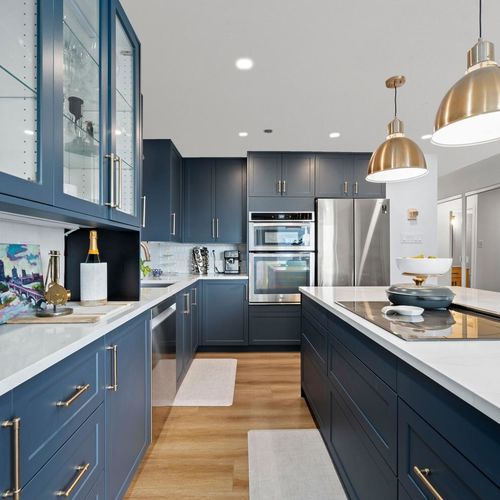
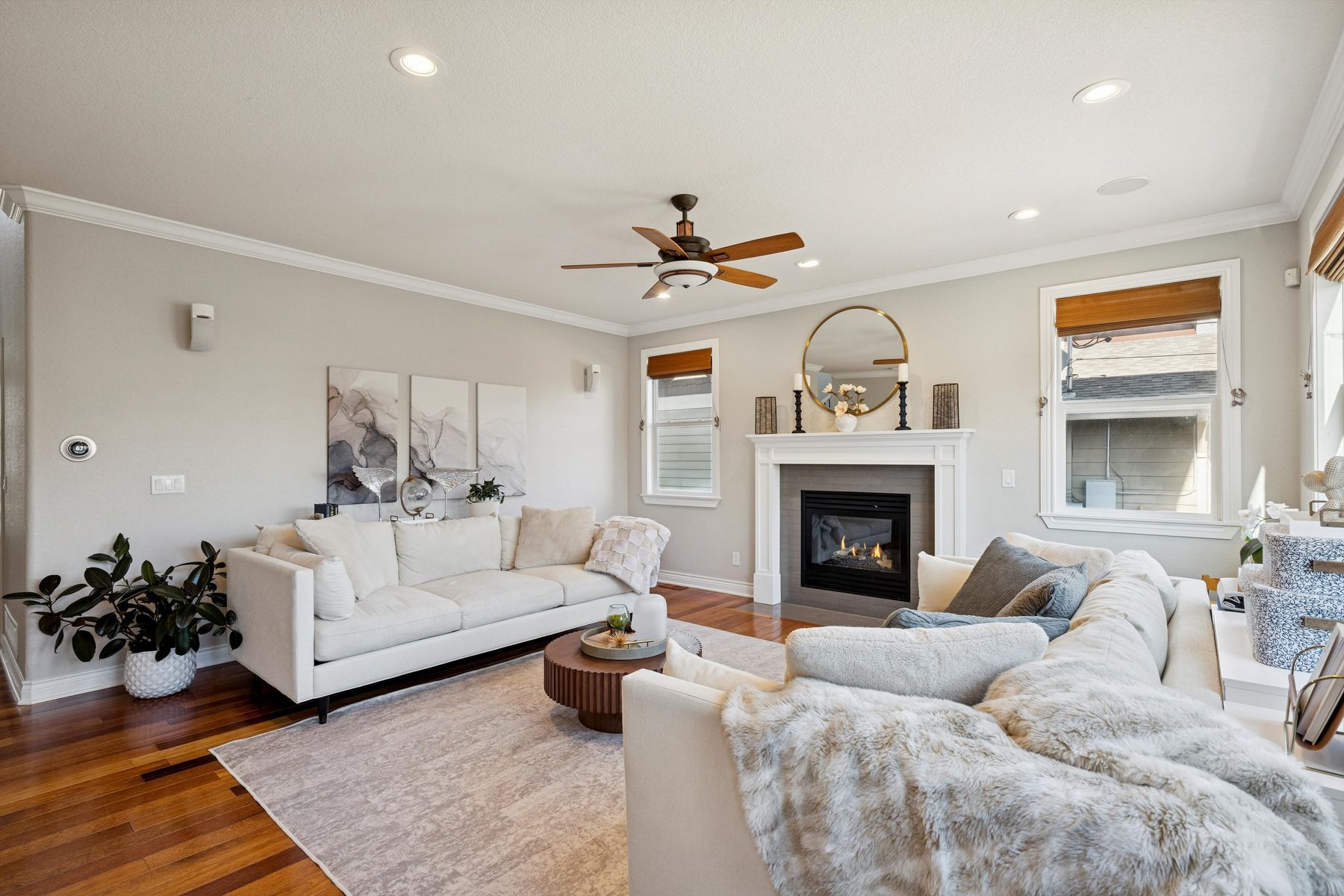
- Connected cooking and gathering areas create the social heart every home needs. Kitchens that open directly into family rooms allow you to prepare meals while staying part of conversations, whether that's helping grandchildren with homework or chatting with friends during dinner prep. "These layouts increase flexibility, ease traffic flow, and combine living, kitchen, dining, and family areas into one large space." The absence of walls between these zones means fewer barriers when carrying dishes, serving guests, or simply moving around during busy mornings. Central Park's newer construction often features these flowing designs where kitchen islands serve as natural gathering spots, while the cook never feels isolated from household activity. Years down the road, these same open areas accommodate mobility aids without requiring doorway widening or wall removal, and "promote better sightlines throughout the home, allowing caregivers to monitor loved ones from a distance" should assistance ever become necessary.
- Main-floor master bedrooms eliminate daily stair climbing while preserving future independence. Having your primary sleeping space, bathroom, and closet on the ground level removes the physical effort of climbing stairs multiple times each day, which becomes especially valuable during illness, injury recovery, or simply as energy levels change with age. These bedroom placements also mean late-night bathroom visits don't require navigating steps in the dark, reducing fall risks that many people don't consider until they become relevant. Highlands Ranch homes frequently incorporate this practical design, positioning master suites away from main living areas for privacy while keeping everything accessible on one level. The psychological comfort of knowing you can remain in your home even if stairs become challenging provides peace of mind that's difficult to quantify but deeply meaningful for long-term planning.
- Multi-purpose rooms adapt to whatever life brings without requiring renovations. A space currently serving as your home office might need to become a guest bedroom when adult children visit with grandkids, or transform into a craft room during retirement years. Rooms designed with multiple entry points, adequate electrical outlets, and neutral proportions can shift functions seamlessly as your needs evolve. Platt Park's character homes often include these adaptable spaces — former dining rooms that work beautifully as offices, sunrooms that convert to exercise areas, or bonus rooms that handle whatever purpose emerges. "Open floor plans support aging in place by providing adaptable spaces that can evolve with changing needs over time," whether those changes involve career shifts, family circumstances, or physical limitations that require room reconfigurations.
Investing in thoughtful spatial design pays dividends every single day through smoother routines, easier entertaining, and reduced physical strain. These layout choices create homes that feel welcoming and functional now while quietly preparing for whatever adjustments tomorrow might require.
Choose less upkeep so homeownership stays manageable
Buyers who once prioritized impressive square footage and prestigious neighborhoods now find themselves drawn to properties that promise fewer weekend hours spent on repairs and yard work. The shift toward valuing your time and energy over showcasing status represents a fundamental change in how people approach homeownership, especially when retirement years or health considerations make extensive property care feel burdensome rather than rewarding. We understand that this transition can feel like giving up something important, but choosing a home that maintains itself allows you to focus on the activities and relationships that truly matter to you.
Practical features that reduce ongoing demands
Smaller lot sizes transform weekend obligations into manageable tasks that don't consume entire days or require hiring help. Properties with compact yards in areas like Littleton, Parker, and Castle Rock often feature thoughtfully designed outdoor spaces that provide beauty and function without demanding constant attention. These communities frequently offer ranch-style homes where everything stays accessible on one level, eliminating the physical strain of carrying tools and supplies up and down stairs during routine maintenance tasks.
Durable interior finishes make daily cleaning simpler while maintaining an attractive appearance for years without replacement or refinishing. Luxury vinyl plank flooring withstands moisture and scratches better than traditional hardwood, while quartz countertops resist staining and chipping without requiring annual sealing like natural stone surfaces. Properly planned Xeriscapes can reduce yard maintenance by 50-75 percent through strategic plant selection that works with Colorado's dry climate rather than fighting against it. Native grasses and drought-tolerant perennials establish deep root systems that require minimal watering once mature, while decorative rock and mulched areas eliminate the need for weekly mowing and seasonal fertilizing that traditional lawns demand.
Emotional relief through simplified ownership
Reduced housework and yard obligations create space in your schedule for activities that bring genuine joy rather than checking items off an endless maintenance list. Saturday mornings become available for hiking trails, visiting grandchildren, or pursuing hobbies that energize you instead of depleting your physical reserves. The mental weight of knowing your property can largely care for itself provides a sense of security that extends beyond just the physical work involved.
Stress levels decrease significantly when home ownership feels sustainable rather than overwhelming, particularly during periods when health issues or family responsibilities require your attention elsewhere. You can travel without worrying about lawn care, take on volunteer commitments without scheduling around home repairs, or simply enjoy quiet evenings without mentally cataloging weekend chores. This freedom allows your home to support your lifestyle choices rather than dictating them, creating space for the relationships and experiences that define a fulfilling next chapter.
Maintaining beauty and warmth in your living space doesn't require constant effort when you select materials and features designed for longevity and ease. Well-chosen design elements continue looking fresh and welcoming year after year, proving that a home can feel both elegant and effortless when thoughtfully planned from the beginning.
Pick smart systems that simplify routines instead of adding complexity
Technology installations work best when they reduce effort rather than demanding constant attention or troubleshooting from homeowners who want their living spaces to function smoothly without intervention. The most valuable automated features quietly handle repetitive tasks, provide security monitoring, and respond to voice commands without requiring smartphone apps or complex programming that can frustrate users who simply want their homes to work reliably.
Essential systems that deliver genuine daily benefits include these practical options:
- Automated lighting controls respond to motion sensors and preset schedules, eliminating fumbling for switches during nighttime bathroom visits or when carrying groceries through dark entryways, while reducing energy costs through efficient usage patterns
- Smart door locks allow keyless entry through codes or smartphone access, preventing lockouts and enabling trusted visitors to enter when you're away, plus providing immediate notification when doors are opened or left unlocked
- Video doorbells show who approaches your front entrance whether you're home or traveling, letting you communicate with delivery drivers, screen unexpected visitors, or monitor package deliveries from any location with internet access
- Water leak detectors placed near water heaters, washing machines, and under sinks send immediate alerts to your phone when moisture appears, potentially preventing thousands of dollars in flood damage and the stress of major repairs
- Voice control systems manage multiple devices through simple spoken commands, particularly helpful when mobility limitations make reaching wall switches or thermostats physically challenging, while "smart home systems allow you to set personalized routines that take care of the little things"
- Programmable thermostats learn your schedule and adjust temperatures automatically, maintaining comfort while reducing utility bills, and can be controlled remotely to ensure you return to a comfortable home after travel
Testing technology during home tours requires focusing on user experience rather than getting impressed by flashy demonstrations that might not reflect daily reality. Ask sellers to show you how quickly devices respond to commands, whether the systems work reliably without internet connectivity, and how easily software updates install without disrupting normal operation. Request information about warranty coverage, local technical support availability, and whether the current homeowners have experienced any recurring issues that required professional service calls. Simple interfaces that elderly family members or houseguests can understand without instruction prove far more valuable than complex systems that only tech-savvy users can operate confidently.
Prioritizing practical automation over trendy gadgets reflects the preferences of discerning buyers throughout Denver's established neighborhoods where residents value substance over showmanship. Wash Park and similar mature communities attract homeowners who appreciate technology that enhances daily comfort and provides "peace of mind knowing that your home is secure and under your control" rather than requiring constant learning or maintenance to function properly.
I notice that the source link and source content summary fields are empty. Without knowing what the source contains, I cannot determine which text in the section should be linked or verify that any claims match the source content.
Let the Denver market work in your favor
Current conditions across the metro area have shifted dramatically from the frantic bidding wars that defined recent years, creating space for buyers to evaluate homes based on how well they'll serve both immediate needs and long-term comfort rather than rushing into decisions driven by scarcity fears.
More time means better decisions about what truly matters
Denver's 2026 housing environment offers substantially more properties to consider, with listing counts climbing steadily in suburban communities like Arvada, Westminster, and Thornton. This expanded selection allows prospective homeowners to spend weeks comparing how different floor plans handle daily routines, examining maintenance requirements across various property types, and testing whether specific neighborhoods align with their lifestyle preferences without worrying that perfect options will disappear overnight. Price stability in these areas has replaced the unpredictable escalation that once forced buyers to make offers sight unseen or waive inspection contingencies that protect against costly surprises.
Negotiation opportunities have returned to many transactions, particularly in communities beyond the urban core where sellers recognize that attracting qualified buyers requires flexibility on both price and terms. This shift means you can request repairs for accessibility modifications, ask for closing cost assistance that helps with moving expenses, or negotiate extended inspection periods that allow thorough evaluation of heating systems, electrical capacity, and structural elements that impact long-term livability. The psychological relief of having genuine choices rather than competing against multiple offers creates mental space for thoughtful evaluation of how each property supports your specific goals for the next decade.
Strategic neighborhood selection requires understanding local dynamics
Cherry Creek and Wash Park continue operating under different rules entirely, where homes featuring single-level living, updated accessibility features, and minimal maintenance requirements still generate quick sales among buyers who prioritize location prestige alongside practical benefits. Properties in these established areas that combine walkability to amenities with age-friendly design elements command premium prices and move rapidly, requiring decisive action when the right combination of features appears on the market.
Suburban alternatives throughout Jefferson County, Douglas County, and northern communities provide significantly more flexibility for deliberate decision-making while often delivering superior value for buyers focused on comfort and convenience over neighborhood cachet. These areas frequently offer newer construction with wider doorways, main-floor master suites, and manageable lot sizes that reduce ongoing upkeep demands. Commute considerations become crucial when weighing these trade-offs, since choosing a location that adds significant travel time to medical appointments, family visits, or volunteer commitments can diminish quality of life regardless of how well the home itself functions.
Matching your search strategy to neighborhood realities while staying true to your budget constraints and maintenance preferences determines whether you find a property that enhances your daily experience or creates ongoing stress through location mismatches or financial strain. Balancing market pace with personal fit requires honest assessment of which compromises you can live with comfortably and which elements remain non-negotiable for your happiness and security.
I notice that no source link or source content summary has been provided in your request. The and sections are empty. Without this information, I cannot determine what text should be hyperlinked or where it should link to.
Please provide the source link and source content summary so I can add the appropriate external linking to the section.
Final Thoughts
The smartest Denver home isn't the one packed with the newest gadgets or trending features. It's the home that fits both your current routines and future possibilities. We've walked through the essential framework for making this choice - prioritizing layout, accessibility, flexibility, and manageable upkeep before getting caught up in flashy upgrades.
Your home search becomes more meaningful when you focus on open floor plans that support daily movement, single-level living that reduces strain, flexible spaces that adapt as your needs change, and exterior features that won't demand constant attention. Smart systems should simplify your life, not complicate it. Think automated lighting for safety, simple temperature controls, and security features that give you peace of mind without requiring a technology degree to operate.
This approach transforms what can feel like an overwhelming downsizing process into something empowering. You're not just buying a smaller house - you're choosing a home that will support you through different chapters of life. The framework we've covered helps you think strategically about comfort, maintenance, and mobility rather than getting distracted by surface-level trends.
Denver's more balanced market gives you the opportunity to choose thoughtfully instead of rushing into decisions. You have time to evaluate each property against your real needs, both now and later.
Planning for your next chapter becomes less stressful when you focus on comfort, simplicity, and adaptability. Start your search with these priorities in mind, and you'll find a home that truly supports the life you want to live.
Check out this article next