


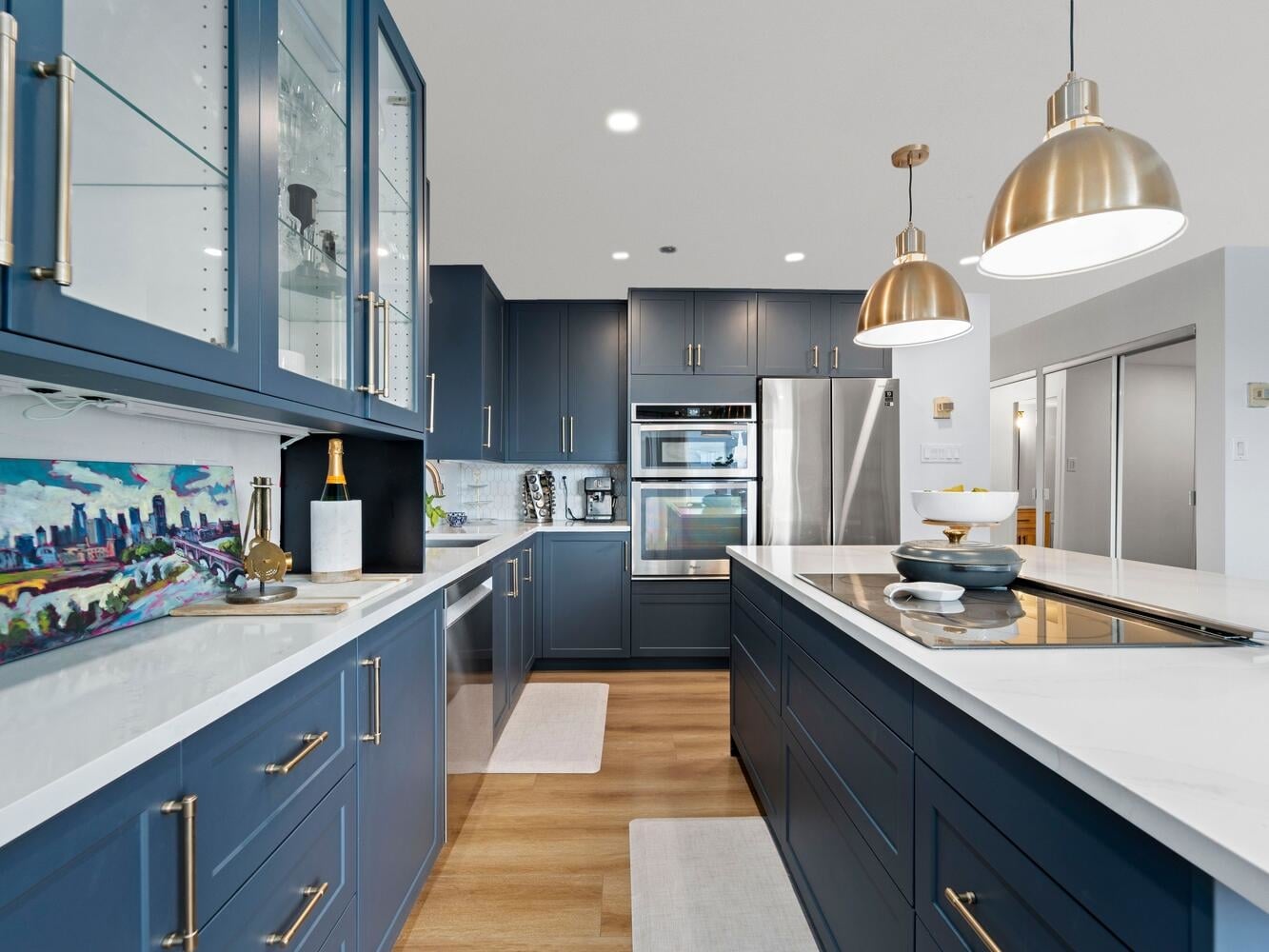
Denver kitchens are shifting away from the stark white and gray combinations that dominated the past decade, with local homeowners now choosing warmer palettes like sage green, soft terracotta, and rich taupe that better reflect Colorado's natural beauty. This change isn't just about following design magazines – it's about creating spaces that actually work for how Denver families live, cook, and gather. The question many homeowners are wrestling with is simple but important: which trends will still feel fresh and functional in five years rather than looking like a dated snapshot of 2026? The answer lies in understanding that the strongest kitchen trends happening right now focus on more than just surface appeal. They prioritize better flow for daily routines, smarter storage solutions, mixed metals that add depth without feeling trendy, and textured cabinetry that brings warmth to both new construction in neighborhoods like Stapleton and historic homes in areas like Park Hill. These design choices work because they solve real problems – from creating better workspace efficiency to using natural stone that can handle Colorado's dry climate. You'll discover how Denver homeowners are successfully blending elevated finishes with practical function, making strategic upgrades that improve daily living while supporting long-term home value. Whether you're renovating a 1920s bungalow in Wash Park or updating a newer build in Green Valley Ranch, these trends adapt to different architectural styles while maintaining their appeal over time. Ready to see which specific changes are making the biggest impact in Denver kitchens this year?
The trends Denver homeowners should care about first
The cold, sterile aesthetic that once defined modern kitchens has lost its grip on Denver homes, with homeowners now gravitating toward spaces that feel inviting and genuinely livable. This movement represents more than just a style preference – it reflects how families actually use their kitchens for everything from morning coffee routines to homework sessions and weekend meal prep.
- Color choices are becoming warmer and more grounded in natural tones. Research shows that 96 percent of designers expect neutral palettes featuring warm whites, light browns, and soft tans to dominate kitchen design this year. 'After years of all-white minimalism dominating kitchen design, 2026 welcomes a refreshing shift toward warmth and sophistication,' says Emily Kantz, color marketing manager at Sherwin-Williams. Denver homeowners are specifically drawn to earthy hues like mushroom gray, creamy beige, and muted sage that complement Colorado's outdoor environment. These colors work especially well in homes with mountain views or those that receive abundant natural light from south-facing windows.
- Practical improvements take priority over purely aesthetic updates. Smart storage solutions like deep drawer organizers, pull-out pantry systems, and corner cabinet carousels address the real challenges of daily cooking and cleanup. Better workflow patterns – such as positioning the dishwasher closer to dish storage or creating dedicated coffee stations – make morning routines smoother. Durable materials like quartz countertops and luxury vinyl plank flooring handle Colorado's temperature fluctuations and dry climate better than trendy but fragile options. These upgrades directly impact how comfortable and efficient your kitchen feels during busy weekday dinners or weekend entertaining.
- Selective adoption of trends based on your specific home and lifestyle makes the most sense. Not every trending element will work in a 1950s ranch home versus a contemporary townhouse in RiNo. Consider your cooking habits, family size, and how long you plan to stay in your current home before committing to major changes. A busy family with young children might benefit more from easy-to-clean surfaces and ample storage than from statement lighting or decorative backsplashes. Similarly, avid home cooks should prioritize functional elements like quality appliances and adequate prep space over Instagram-worthy but impractical design features.
Investing in timeless warmth and practical functionality tends to maintain broader appeal when it comes time to sell your home. Buyers consistently respond well to kitchens that feel welcoming and work efficiently, while overly trendy or highly personalized design choices can actually limit your pool of potential buyers and impact your return on investment.
Layouts that make the kitchen easier to live in
Denver homeowners are abandoning the rigid work triangle concept that once dictated kitchen design, instead creating spaces that adapt to how families actually move through their daily routines. This fundamental change reflects a broader understanding that kitchens serve multiple purposes beyond cooking – they're homework stations, coffee bars, and social hubs where life happens. With 76 percent of respondents expecting kitchen footprints to grow over the next three years even as overall home sizes shrink, the focus has shifted from following prescribed design rules to maximizing every square foot for real-world functionality.
Why circulation beats square footage
Open pathways between key work zones allow multiple people to use the kitchen simultaneously without creating bottlenecks or frustration. Wide walkways around islands – ideally 42 to 48 inches – give families room to pass each other comfortably while one person preps dinner and another grabs snacks from the pantry. Expanding prep zones beyond the traditional counter space near the sink creates dedicated areas for different activities, whether that's rolling out cookie dough or setting up a coffee station that doesn't interfere with meal preparation.
Strategic island placement becomes crucial for maintaining smooth traffic flow while providing additional storage and workspace. Removing upper cabinets on one side of the kitchen opens sightlines between rooms, allowing parents to supervise children's homework while cooking dinner. Positioning appliances like the dishwasher and refrigerator with adequate clearance space prevents the awkward dance that happens when multiple family members need access to the same area during busy meal times.
How Denver remodels maximize existing space
Historic homes in neighborhoods like Capitol Hill and Highlands often feature compartmentalized layouts with narrow galley kitchens or oddly placed doorways that interrupt workflow. Removing non-load-bearing walls between the kitchen and dining room creates an open concept that maintains the home's original character while improving functionality. Relocating doorways to corners or less central locations frees up valuable wall space for continuous counter runs and better appliance placement.
Older ranch homes built in the 1960s and 1970s frequently have kitchens tucked away from main living areas, but strategic wall removal can connect these spaces to family rooms without losing storage capacity. Installing peninsula configurations instead of full islands works well in tighter remodels, providing extra prep space and casual seating while maintaining clear pathways to adjacent rooms. Reconfiguring awkward corner spaces with lazy Susans or pull-out drawer systems transforms previously wasted areas into highly functional storage zones.
Designing around natural movement patterns rather than forcing families to adapt to inefficient layouts creates kitchens that genuinely support daily life. Thoughtful placement of work zones, adequate clearances, and intuitive traffic flow often delivers more satisfaction than simply adding square footage to an existing space.
Islands and pantry spaces doing more of the work
Functional zones have become the driving force behind kitchen renovation decisions, with homeowners prioritizing clever storage solutions and dedicated task areas over surface-level aesthetic changes. This shift reflects a deeper understanding that kitchens must accommodate multiple activities simultaneously while maintaining visual calm and operational efficiency.
- Multi-purpose islands now handle far more than basic food preparation, with 92 percent of homeowners seeking designs that combine workspace, storage, socializing, and dining functions in one central feature. These expanded islands incorporate deep drawers for cookware, built-in wine storage, electrical outlets for small appliances, and comfortable seating for three to four people. The kitchen island instantly optimizes a kitchen layout by serving as a natural divider between different areas of the kitchen such as the cooking zone, prep area, and dining space. Many Denver homeowners are adding secondary sinks or induction cooktops to their islands, creating dedicated zones for specific tasks like beverage preparation or pasta cooking. This approach works particularly well in open-concept homes where the island becomes a natural gathering spot during parties while keeping the main cooking area free for meal preparation.
- Walk-in pantries and butler's pantry configurations have gained significant popularity as homeowners seek to contain small appliances and create specialized stations for daily routines. These dedicated spaces house coffee makers, stand mixers, blenders, and other countertop appliances that would otherwise create visual chaos in the main kitchen. Butler's pantries often feature secondary prep sinks, additional refrigerator drawers, and extensive shelving for bulk storage and serving pieces. Denver families particularly appreciate these zones for morning coffee routines, allowing one person to prepare beverages without interfering with breakfast preparation happening in the main kitchen. Walk-in pantries with counter space also provide overflow prep areas during holiday cooking or when hosting larger gatherings.
- The practical benefits extend beyond organization to create genuinely calmer living spaces that support Denver households juggling work calls, school projects, and social entertaining. Keeping your countertops clutter-free will instantly help your kitchen function more smoothly and feel larger, which proves especially valuable in open-concept homes where kitchen messes become visible from living areas. Dedicated charging stations within island storage keep devices organized while family members work from kitchen counters. Hidden storage for mail, keys, and daily essentials prevents these items from accumulating on kitchen surfaces. These thoughtful design choices reduce the constant tidying that open kitchens typically require while creating distinct zones for different household activities.
Prioritizing these hardworking features over trendy finishes creates kitchens that genuinely improve daily life rather than simply looking good in photos. Smart storage and task-specific zones maintain their value and functionality regardless of changing style preferences, making them sound investments for long-term satisfaction.
Warm colors that feel right in Denver light
Once your kitchen functions smoothly for daily life, color becomes the element that transforms a practical space into one that genuinely feels like home. The shift away from stark white and cool gray palettes reflects a deeper understanding that kitchens should complement Colorado's natural environment while creating atmospheres where families actually want to spend time.
Why warm colors work in Denver homes
Colorado's abundant sunshine streaming through kitchen windows creates ideal conditions for earth-inspired hues that might appear dull or muddy in dimmer climates. Sage green cabinetry gains depth and richness when bathed in mountain light, while soft terracotta backsplashes glow warmly during golden hour. These colors typically include soft creams, light beiges, warm taupes, and gentle earthy tones that can create a serene backdrop for any kitchen design. Muted greens and creamy whites provide the perfect foundation for kitchens that need to transition seamlessly from morning coffee routines to evening dinner parties.
The connection between these hues and Denver's surrounding environment creates a sense of harmony that feels authentic rather than forced. Warm neutral colors work magic in kitchens by reflecting the red rock formations visible from many Denver neighborhoods, the sage brush that dots the foothills, and the golden aspens that define Colorado autumns. This natural palette works particularly well in homes with views of the mountains or open space, where the kitchen colors can echo the changing seasons visible through the windows.
How to use the palette without a full remodel
Two-tone cabinet combinations offer the most dramatic impact without requiring complete kitchen overhauls. Forest green lower cabinets paired with warm white or cream uppers create visual weight at the base while keeping the upper portion of the kitchen feeling light and open. Taupe lower cabinets combined with natural wood uppers bring warmth and texture while maintaining the sophisticated feel that Denver homeowners appreciate. When choosing cabinetry colors, consider painted finishes, natural woods, or stained options that resonate with your warm neutral palette.
Smaller updates can introduce these trending colors without major construction or expense. Painting existing cabinets in sage or soft taupe costs significantly less than replacement while delivering substantial visual impact. Terra cotta or muted green subway tiles create stunning backsplashes that complement both traditional and contemporary kitchen styles. Bar stools in warm leather or fabric bring color to kitchen islands while remaining easy to change as preferences evolve. Even simple additions like wooden cutting boards, ceramic canisters in earthy tones, or potted herbs on windowsills can shift a kitchen's entire mood toward the warmer, more grounded aesthetic that feels right in Denver homes.
Selecting colors that support both daily functionality and long-term satisfaction requires balancing current preferences with timeless appeal. Warm, nature-inspired palettes deliver the visual interest that makes kitchens feel special while maintaining the practical durability that busy families need.
Stone wood and texture replacing flat finishes
Materials with substance and character have begun replacing the smooth, uniform surfaces that once dominated kitchen design. "What makes it come alive? Texture," and this fundamental shift toward surfaces you can actually feel represents more than just aesthetic preference — it addresses the human need for spaces that feel authentic and connected to the natural world.
- Quartzite countertops and honed stone surfaces deliver both visual appeal and practical performance that suits Colorado's demanding climate. Unlike polished granite that shows every fingerprint and water spot, honed finishes provide "matte and soft to the touch" surfaces that hide daily wear while maintaining sophisticated appearance. Quartzite offers superior heat resistance compared to quartz, making it ideal for Denver homeowners who frequently entertain or do serious cooking. Handmade ceramic tiles create backsplashes with subtle irregularities that catch light differently throughout the day, adding movement and interest that machine-made tiles simply cannot match. These natural variations work particularly well in Denver homes where abundant sunlight streaming through windows highlights the organic patterns and textures that make each installation unique. The durability factor becomes especially important in Colorado's dry climate, where natural stone maintains its integrity better than many synthetic alternatives that can crack or fade under intense UV exposure.
- Oak, walnut, and maple bring warmth to contemporary kitchens while supporting Colorado's commitment to sustainable building practices. Local mills throughout the Front Range offer reclaimed barn wood and locally harvested hardwoods that reduce transportation costs while connecting homes to regional history. White oak's tight grain pattern provides excellent moisture resistance for kitchen environments, while walnut's rich chocolate tones complement the earth-inspired color palettes that Denver homeowners favor. Maple's lighter tones work beautifully in north-facing kitchens that receive less direct sunlight, helping to brighten spaces naturally. Wood elements soften the hard edges of modern appliances and stone surfaces, creating balance that prevents kitchens from feeling cold or institutional. Wide-plank flooring, butcher block islands, and natural wood cabinet faces introduce the organic textures that make spaces feel more human-scaled and comfortable for daily living.
- Fluted cabinet doors and mixed material combinations help both contemporary builds and historic renovations achieve updated looks without sacrificing architectural integrity. Vertical reeding on cabinet faces adds subtle shadow lines that create visual interest without overwhelming smaller kitchen spaces. "A fluted stone island paired with" smooth perimeter counters demonstrates how contrasting textures can define different work zones while maintaining design cohesion. In historic Denver neighborhoods like Highlands and Berkeley, these textured elements bridge the gap between original architectural details and modern functionality. Combining warm wood lower cabinets with stone upper shelving creates layered visual depth that works in both craftsman bungalows and mid-century ranch homes. The key lies in selecting materials that complement existing architectural features rather than competing with them, allowing original character elements like exposed brick or vintage hardware to remain focal points.
Choosing materials based on tactile quality and natural variation creates kitchens that improve with age rather than looking dated within a few years. These surfaces develop patina and character through daily use, making them particularly well-suited to Denver's active lifestyle and Colorado's appreciation for authentic, enduring design.
Cabinet details and mixed metals adding personality without clutter
Cabinetry design has evolved beyond simple door styles to become a sophisticated balance between minimalist profiles and luxurious finishes that create visual interest without chaos. This progression represents a maturation in kitchen design thinking, where homeowners seek ways to express personal style through subtle details rather than bold statements that might feel dated in a few years.
Streamlined cabinet designs that maximize impact
Flat-panel cabinet doors have gained tremendous momentum among Denver homeowners who appreciate their ability to showcase premium wood grains and painted finishes without competing decorative elements. "Slab-front cabinets in richer finishes" deliver sophistication through material quality rather than ornate detailing, making them particularly appealing in both contemporary builds and historic home renovations. These smooth surfaces work exceptionally well with the warm color palettes trending in Denver kitchens, allowing sage greens and rich taupes to take center stage.
"Streamlined shaker cabinetry with subtle profiling" offers a middle ground for homeowners who want some architectural detail without visual heaviness. Modern interpretations feature thinner frames and more refined proportions than traditional shaker styles, creating definition while maintaining the clean aesthetic that contemporary Denver living demands. The simplified profiles reduce dust collection and make daily cleaning easier, addressing practical concerns that busy families face.
"Full-height cabinetry eliminates upper cabinets" in favor of floor-to-ceiling storage that creates dramatic vertical lines while maximizing every inch of available space. This approach works particularly well in Denver's newer construction where nine-foot ceilings are standard, allowing designers to create impressive storage capacity without the visual interruption of separate upper and lower cabinet sections. The unbroken lines make kitchens appear larger while providing significantly more storage than traditional configurations.
Strategic metal mixing that adds depth
"Mixed metals are making a strong comeback" as Denver homeowners discover how thoughtfully combined finishes can add sophistication without overwhelming their spaces. "Designers are blending brass, matte black, brushed nickel" to create layered looks that feel intentional rather than accidental. "This approach adds personality and warmth" while maintaining the refined aesthetic that supports long-term home value.
"The key is intentional mixing" rather than random combinations that can appear chaotic or unplanned. Pairing warm brass cabinet hardware with matte black light fixtures creates contrast that defines different zones within open kitchen layouts. Brushed nickel faucets bridge the gap between these warmer and cooler tones, providing balance that feels natural rather than forced. This strategic approach allows homeowners to incorporate trending finishes while maintaining design coherence.
"Repeat metal finishes across hardware, lighting" fixtures to establish visual rhythm throughout the kitchen space. Using the same brass finish on cabinet pulls, pendant lights, and bar stools creates intentional connections that tie the room together. Limiting the palette to two or three metal finishes prevents the space from feeling busy while still providing the depth and interest that single-finish kitchens often lack.
Implementing these refined details creates kitchens that feel custom and considered without requiring dramatic renovations or trendy elements that might feel outdated quickly. The combination of simplified cabinet profiles with thoughtfully mixed metal finishes provides the perfect foundation for expressing personal style while maintaining broad appeal for future buyers.
Seamless storage and quiet tech that stay in the background
While cabinet finishes and metal accents catch the eye immediately, the most valuable kitchen improvements operate behind the scenes to support daily routines without demanding attention. These invisible upgrades transform how kitchens actually function rather than simply how they appear, creating environments that work harder while feeling more peaceful and organized.
- Concealed appliances create continuous visual flow while reducing noise and maintenance demands throughout the kitchen. Eighty-five percent of designers anticipate paneled dishwashers that blend into cabinetry for a quieter, more seamless look, eliminating the visual interruption that stainless steel appliances create in otherwise cohesive designs. "Homeowners are choosing to hide their appliances behind cabinet panels" that match surrounding cabinetry, with refrigerators, coffee makers, microwaves, and wall ovens all receiving this treatment. The approach works particularly well in Denver's open-concept homes where kitchen appliances remain visible from living areas, allowing the space to maintain clean lines without sacrificing functionality. Integrated dishwashers also operate more quietly than their exposed counterparts, reducing the background noise that can interfere with conversations or television viewing in adjacent rooms.
- Subtle technology enhancements focus on solving real problems rather than showcasing the latest gadgets or creating unnecessary complexity. Built-in charging stations within drawers keep devices organized and accessible while eliminating countertop cord clutter that accumulates around kitchen islands. Motion-sensor lighting under cabinets and in pantries provides hands-free illumination when arms are full of groceries or cooking ingredients. Integrated refrigerator drawers in kitchen islands offer convenient access to beverages and snacks without requiring trips to the main refrigerator. These features integrate so naturally into daily routines that they become invisible helpers rather than attention-seeking installations. The key lies in selecting technology that genuinely improves workflow efficiency rather than adding complexity that requires learning new systems or regular maintenance.
- Storage solutions that maximize every available inch have become the priority over decorative elements that serve no practical purpose. Houzz research shows "homeowners are prioritizing function, personalization, and built-in storage" over purely aesthetic upgrades, with 77 percent of renovated kitchens now including walk-in pantries, up from 59 percent in 2021. Denver's older homes particularly benefit from floor-to-ceiling cabinetry that reaches the full height of eight or nine-foot ceilings, creating storage capacity that didn't exist in original kitchen configurations. Pull-out drawer systems in lower cabinets eliminate the need to reach into deep corners, while soft-close mechanisms prevent the cabinet door slamming that echoes through open-concept floor plans. "People want a place for everything and everything in its place," explains designer HGTV's Allison Victoria, reflecting the growing desire for organized systems that support busy household schedules.
Investing in these background improvements creates kitchens that feel more spacious and calm while actually working more efficiently for daily cooking and cleanup routines. The absence of visual clutter and mechanical noise allows other design elements to shine while supporting the practical demands that Denver families place on their kitchen spaces.
How to make these trends fit your Denver home
Making design decisions based on your specific situation rather than following every trending element ensures renovations that genuinely improve your daily experience while supporting your home's long-term value. Your choice of updates should align with whether you're planning to stay for decades or preparing to sell within five years, how much you're comfortable investing, and what type of home you're working with. The most successful renovations happen when homeowners assess their actual needs first, then select trending elements that solve real problems rather than simply looking current.
Match the trends to the kind of home you have
Contemporary builds in neighborhoods like Stapleton or Green Valley Ranch often suffer from the sterile, builder-grade finishes that prioritize cost efficiency over warmth and character. These homes benefit tremendously from introducing organic textures through reclaimed wood accents, honed stone surfaces, and cabinet finishes that move away from stark white or cool gray. Sage green lower cabinets paired with natural wood uppers can transform a cold, institutional feeling kitchen into one that feels connected to Colorado's natural environment. Textured backsplashes using handmade ceramic tiles or natural stone add the visual interest and tactile quality that mass-produced materials lack, while mixed metal finishes in brass and matte black create depth without overwhelming the clean lines that define modern architecture.
Historic homes in areas like Capitol Hill, Highlands, or Park Hill present different opportunities and constraints that require more thoughtful approaches to trend integration. These properties typically feature smaller kitchens with challenging layouts, limited storage, and architectural details that shouldn't be compromised for the sake of current style preferences. The most impactful improvements focus on maximizing storage capacity through floor-to-ceiling cabinetry, adding pull-out drawer systems in existing lower cabinets, and creating dedicated zones for specific tasks like coffee preparation or baking. When selecting finishes, choose options that complement rather than compete with original elements like exposed brick, vintage hardware, or period-appropriate trim work. Warm paint colors and natural materials can refresh these spaces while respecting their inherent character.
Start with function, then layer in style
Prioritizing improvements that solve daily frustrations delivers more satisfaction than purely aesthetic changes that don't address how your family actually uses the kitchen space. "When storage is thoughtfully designed, from customized drawers and pull-out shelves to walk-in pantries, it reduces clutter, improves efficiency and makes the kitchen easier to use every single day," explains Misty Callaway, designer of Callaway Homes. Focus first on upgrades that streamline your morning coffee routine, make dinner preparation less chaotic, or provide better organization for the items you use most frequently. These functional improvements create the foundation that allows stylish elements to shine rather than compete with operational challenges.
Once your kitchen functions smoothly for daily routines, strategic style updates can transform the space without requiring complete overhauls. Redesigning your island to include better storage, seating, and workspace creates a dramatic focal point while improving functionality. Upgrading pantry organization with custom shelving and pull-out systems addresses storage needs while supporting the clean, uncluttered aesthetic that defines contemporary Denver kitchens. Refreshing cabinet finishes through painting or staining existing doors costs significantly less than replacement while delivering substantial visual impact. Pairing new countertops with complementary backsplashes creates cohesive surfaces that tie together other design elements throughout the space.
Creating kitchens that feel authentically connected to Denver's environment and architectural heritage while serving modern family needs requires balancing trending elements with timeless functionality. The most enduring renovations respect the bones of your home, solve real problems, and incorporate materials and colors that complement Colorado's natural beauty rather than fighting against it.
Final Thoughts
The kitchen trends shaping Denver homes in 2026 center on warmth, practicality, texture, and flow. We've explored how sage greens, soft terracotta, and taupe create inviting spaces that feel connected to Colorado's natural beauty. Natural stone countertops, mixed metals, and textured cabinetry add layers of interest while maintaining functionality. Better storage solutions and seamless integration between cooking and living areas address how Denver families actually use their kitchens.
This information gives you a roadmap for making design decisions that feel both current and lasting. Instead of chasing every trend, you can focus on updates that match your daily routine and neighborhood character. Whether you're in a historic Denver home or a newer build, these trends work best when tailored to your specific space and lifestyle.
The smartest updates make your kitchen easier to use while keeping it beautiful. Warm palettes create a welcoming atmosphere for family dinners and entertaining friends. Natural materials age gracefully and connect your home to Denver's outdoor culture. Better storage and flow improvements solve real problems while adding long-term value.
Your kitchen should work for how you live, not against it. Consider which of these trends solve actual challenges in your space. Start with one element that excites you most, whether that's adding mixed metal hardware or incorporating more natural stone. Small changes often create the biggest impact, and the best kitchen reflects your family's unique story while staying true to what makes Denver homes special.
FAQs
What kitchen trends are popular in Denver homes in 2026?
Denver kitchen trends in 2026 focus on warm, natural design elements that feel timeless and functional. Homeowners are moving away from stark white and gray kitchens in favor of earthy tones like sage green, taupe, terracotta, and warm wood finishes. Popular upgrades also include natural stone countertops, mixed metal hardware, textured cabinetry, larger kitchen islands, and smart storage solutions designed for everyday living.
What kitchen upgrades add the most value to a Denver home?
The kitchen upgrades that typically add the most value in Denver homes are improvements that combine functionality with timeless design. Buyers often respond well to updated cabinetry, quality countertops, improved kitchen layouts, better storage solutions, modern lighting, and durable materials that work well with Colorado’s climate. Warm, inviting kitchens with efficient layouts tend to have broader long-term appeal than highly trendy designs.
Are open-concept kitchens still popular in Denver?
Yes — open-concept kitchens remain popular in many Denver homes, especially when designed with strong traffic flow and functional zoning in mind. Homeowners are prioritizing layouts that allow kitchens to serve as gathering spaces while still supporting practical daily routines like cooking, entertaining, and working from home.
What kitchen colors work best in Denver homes?
Warm, nature-inspired colors tend to work especially well in Denver homes because they complement Colorado’s natural light and outdoor landscape. Popular kitchen colors include sage green, creamy white, warm beige, mushroom gray, soft terracotta, and natural wood tones. These palettes create a welcoming atmosphere while maintaining long-term design appeal.
Check out this article next