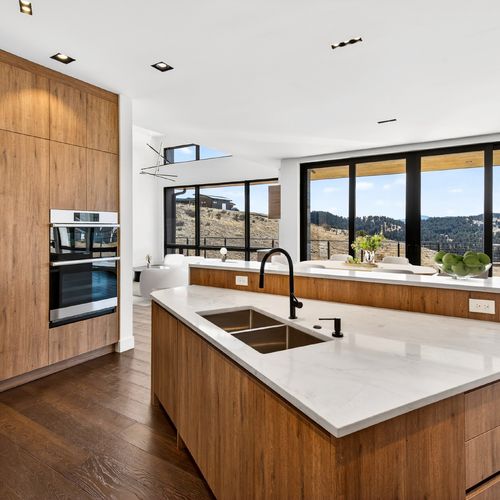


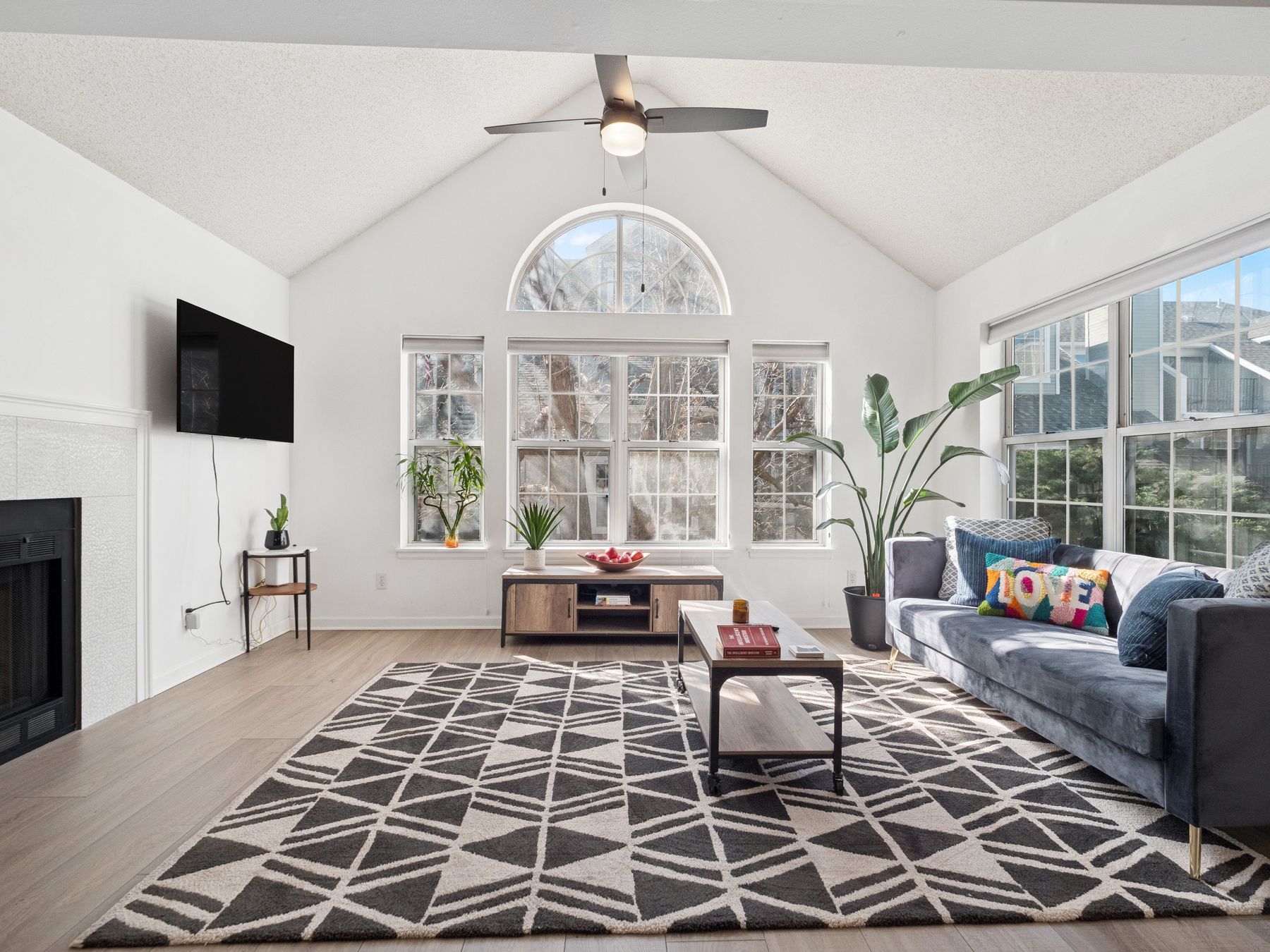
That gorgeous home with the perfect kitchen and stunning mountain views might be hiding a $400 monthly utility bill and rooms that stay freezing all winter. Many Denver buyers fall in love with a property's appearance only to discover after closing that their dream home drains their wallet and fails to keep them comfortable during Colorado's temperature swings. Energy efficiency isn't just about being environmentally conscious — it directly impacts your monthly expenses, year-round comfort, resale value, and how well your home will perform as energy costs continue rising. You're capable of looking beyond the staged furniture and fresh paint to identify homes that actually deliver on performance. This guide teaches you exactly what to examine during showings, which questions to ask agents and sellers, and how to spot the difference between a home that looks good and one that works well. We'll start with the obvious signs you can check immediately when you walk through a property, then move into the deeper inspection details that require more investigation. You'll also learn Denver-specific factors that affect energy efficiency — from altitude considerations to local utility programs that can influence your decision. By the end, you'll have the knowledge to compare properties not just on price and aesthetics, but on their ability to keep you comfortable while keeping costs manageable. Ready to become the kind of buyer who can spot an energy-efficient home from the moment you step inside?
The fastest ways to spot an efficient home during a showing
Walking through a potential home purchase requires more than admiring the granite countertops and hardwood floors — your senses can detect efficiency problems within minutes if you know what to feel, see, and hear. Smart buyers use their initial walkthrough as a rapid screening tool to separate homes that perform well from those that will drain their bank accounts.
- Double or triple-pane windows with tight seals — Check for condensation between glass panes or visible gaps around frames, which indicate failed seals that let conditioned air escape and moisture infiltrate.
- Uniform temperature throughout all rooms — Notice if certain areas feel noticeably warmer or cooler than others, as inconsistent room temperatures signal poor insulation or inadequate HVAC distribution.
- Silent or nearly silent heating and cooling operation — Listen for excessive noise from vents, ductwork, or mechanical equipment, which often means aging systems working harder than they should.
- Digital programmable or smart thermostat controls — Look for modern temperature management systems that allow precise scheduling and remote control, indicating recent HVAC updates and energy-conscious previous owners.
- LED bulbs installed throughout the house — Count how many fixtures use energy-efficient lighting, as this small detail reflects broader efficiency mindset and reduces monthly electrical consumption.
- Energy Star certified appliances in kitchen and laundry areas — Check model numbers and certification stickers on refrigerators, dishwashers, washers, and dryers for recent efficiency ratings.
- Fresh weatherstripping around doors and quality exterior door construction — Run your hand along door edges to feel for air movement, and examine door materials for solid core or insulated construction.
- Ceiling fans in bedrooms and living spaces with accessible attic hatches — Note strategic air circulation features and easy access points that suggest proper ventilation planning and maintenance capability.
- Organized, clean mechanical rooms with newer equipment — Inspect furnace, water heater, and electrical panel areas for recent installation dates, proper clearances, and professional maintenance signs.
- Absence of drafts, cold spots, or stale air circulation — Trust your physical comfort as you move through spaces, since you don't need your energy bill to recognize inefficiency problems.
Testing these observations becomes particularly critical in Denver's challenging climate conditions. High altitude creates unique pressure differentials that amplify air leakage problems, while dramatic temperature swings between day and night expose poorly insulated homes quickly. Homes lacking proper efficiency measures struggle more visibly here than in milder climates, making your sensory evaluation during showings an especially reliable screening method before investing in professional inspections.
The systems that matter most for comfort and monthly bills
Buyers who prioritize marble countertops and designer fixtures over mechanical infrastructure often discover their beautiful home becomes a financial burden within the first winter. The three core building envelope components — heating and cooling equipment, thermal barriers, and glazing assemblies — determine whether your home operates efficiently or drains your budget through excessive energy consumption.
HVAC systems
Equipment manufactured within the past decade delivers substantially better performance than older units, particularly when featuring SEER ratings above 16 for cooling and AFUE ratings exceeding 90% for heating. Variable-speed motors adjust output precisely to match demand rather than cycling on and off repeatedly, maintaining consistent indoor conditions while reducing operational strain. Zoned distribution allows different areas of your home to receive customized temperature control, preventing energy waste in unused spaces. These advanced features translate directly into steadier room temperatures throughout your home and measurably lower monthly operating expenses compared to single-stage equipment.
Insulation levels
Attic thermal resistance around R-49 and wall assemblies near R-20 represent practical benchmarks you can request during property evaluations. "For maximum heat retention and comfort, 2x6 exterior wall construction allows for fiberglass batt insulation" to achieve these performance levels effectively. Proper thermal barriers reduce heat transfer between indoor and outdoor environments, forcing your mechanical equipment to work less frequently to maintain desired temperatures. Adequate insulation coverage becomes especially critical in Denver's climate, where significant temperature differentials between interior and exterior conditions stress building envelopes year-round.
Window performance
Multi-pane glazing assemblies with low-emissivity coatings reflect radiant heat while allowing visible light transmission, creating more comfortable interior environments. National Fenestration Rating Council labels display U-factor measurements, with values at or below 0.30 indicating superior thermal performance. Triple-pane construction provides additional thermal resistance compared to double-pane alternatives, though both options significantly outperform single-pane installations. Quality window assemblies eliminate drafts around frames and sashes, reducing unwanted air infiltration that compromises indoor comfort and forces heating and cooling equipment to compensate for thermal losses.
Combining efficient mechanical equipment with proper thermal barriers and high-performance glazing creates homes capable of maintaining comfortable conditions during Denver's challenging weather patterns. "Homes in Denver need to be able to withstand low temperatures that regularly reach the teens and 20s" during winter months, while summer afternoons can push cooling demands to their limits. Properties equipped with these three integrated building envelope improvements deliver more consistent indoor temperatures regardless of outdoor conditions and demonstrate "38.5% less per month" energy consumption compared to homes lacking these features, reducing monthly bill volatility throughout seasonal transitions.
I cannot add any external linking to this section because no source link or source content summary was provided. The source_link and source_content_summary fields are empty, so there is no reference material to match against the section content.
The questions every buyer should ask before moving forward
Sellers can stage a home to perfection with fresh paint and designer furniture, but they can't fake twelve months of actual operating costs or hide mechanical equipment that's been neglected for years. Armed with the right questions, you can cut through the presentation and get straight to the data that predicts your future monthly expenses and comfort levels.
- Can you provide the last 12 to 24 months of utility bills, and how do these compare to typical Denver costs? Monthly expenses ranging from $150 to $200 depending on home size and season represent reasonable benchmarks for efficient properties. Bills consistently above $250 during moderate weather months signal potential efficiency problems that could cost you thousands annually.
- Does this home have a HERS rating, ENERGY STAR certification, or recent energy assessment documentation? These third-party evaluations provide objective performance measurements rather than seller claims. HERS scores below 70 indicate above-average efficiency, while ENERGY STAR homes meet strict guidelines for reduced consumption.
- What are the exact age, maintenance records, SEER rating, and AFUE rating of the heating and cooling equipment? Equipment older than 15 years typically requires replacement soon, while SEER ratings below 14 and AFUE ratings under 80% indicate outdated technology that wastes energy. Maintenance records reveal whether previous owners invested in proper care or deferred critical upkeep.
- Has any duct sealing or air sealing work been completed, and can you provide documentation? Professional sealing work addresses hidden air leaks that force mechanical systems to work harder. Homes without this work often struggle with uneven temperatures and higher operating costs, particularly in Denver's variable climate conditions.
- What insulation upgrades have been made, and have there been any issues with drafts, ice dams, or temperature inconsistencies? Specific upgrade details like blown-in attic insulation or wall cavity improvements indicate proactive efficiency investments. Previous problems with ice formation or comfort issues suggest inadequate thermal barriers that create ongoing expenses.
- Is the roof solar-ready, what's the electrical panel capacity, and which smart devices are included with the sale? Solar readiness requires proper roof orientation, structural capacity, and electrical infrastructure capable of handling additional loads. Panel capacity below 200 amps limits future upgrade options, while included smart thermostats and monitoring devices add immediate value.
Requesting documentation for each answer separates homes with genuine efficiency features from those with cosmetic improvements only. Properties with detailed maintenance records, recent assessments, and upgrade receipts demonstrate responsible ownership and help you negotiate repairs or pricing adjustments based on actual performance data rather than assumptions.
The paperwork that proves a home will perform well
Documentation separates marketing promises from measurable reality when evaluating residential energy consumption and long-term operating expenses. Sellers can describe their property as efficient, but actual performance data reveals how a home truly functions through seasonal weather variations and daily usage patterns. Smart buyers demand concrete evidence rather than accepting verbal assurances about monthly costs and comfort levels.
Past utility bills reveal actual operating costs
Twelve consecutive months of electricity and natural gas statements provide the most accurate predictor of future monthly expenses you'll encounter during home shopping. These records show exactly how much energy the property consumed during Denver's hottest summer days and coldest winter nights, eliminating guesswork about seasonal cost fluctuations. Efficient homes typically maintain utility expenses below $180 monthly during moderate weather periods, while properties with thermal envelope problems or aging mechanical equipment often exceed $300 during peak demand seasons. Requesting bills from multiple years helps identify trends and confirms whether recent efficiency improvements actually reduced consumption or if high costs represent ongoing operational characteristics.
HERS ratings provide standardized comparison metrics
"Uniform testing and computer modeling can provide the Home Energy Rating System® (HERS) index number" that measures residential energy consumption against standardized benchmarks. Lower numerical scores indicate superior efficiency performance, with conventional new construction typically scoring between 70 and 85 on the HERS scale. High-performance homes frequently achieve scores below 50, representing roughly half the energy consumption of standard building practices. "Performance testing of homes and third party verification are common elements" of certification programs that validate these measurements through blower door tests, duct leakage assessments, and thermal imaging analysis. Properties lacking HERS documentation haven't undergone professional efficiency evaluation, making direct performance comparisons between similar homes nearly impossible.
Professional inspections and municipal benchmarking data
Infrared thermal imaging during professional inspections exposes hidden insulation gaps, air leakage paths, and thermal bridging issues invisible during standard walkthroughs. These scans identify specific areas where conditioned air escapes through building envelope defects, helping buyers understand repair priorities and associated costs before finalizing purchase decisions. Multifamily properties including condominiums and townhomes may have benchmarking information available through Energize Denver reporting requirements and ENERGY STAR Portfolio Manager databases. These municipal programs track energy consumption across comparable building types, allowing buyers to evaluate individual unit performance against similar properties in their neighborhood or development.
Collecting these documents creates a comprehensive performance profile for each property under consideration. Homes appearing identical in size, age, and amenities often demonstrate dramatically different operational characteristics when examined through utility histories, efficiency ratings, and professional assessments. Building a file of this documentation enables direct cost comparisons and helps identify properties offering genuine long-term value versus those requiring immediate efficiency investments after purchase.
I notice that you haven't provided the source link or source content summary that I need to add external linking to this section. The placeholders show:
Source link:
Source content summary:
Without the actual source link and content summary, I cannot determine which text in the section should be hyperlinked. Could you please provide the source link and content summary so I can add the appropriate external link?
I notice that the source link and source content summary fields are empty. Without knowing what the source content contains, I cannot identify which text in the section should be hyperlinked.
Here is the original section without any modifications:
The red flags buyers should not ignore
Stunning granite countertops and freshly painted walls often distract buyers from costly infrastructure problems lurking beneath the surface. Denver's older housing stock frequently combines attractive cosmetic updates with outdated mechanical systems that create ongoing financial burdens for new owners who discover efficiency issues only after their first winter heating bill arrives.
- Single-pane windows or frames with visible gaps around edges signal immediate heat loss problems that force heating systems to run constantly during cold months. These windows lack insulating properties and often develop condensation issues that damage surrounding walls and trim over time.
- Furnaces, air conditioners, or water heaters manufactured before 2010 typically operate at much lower efficiency ratings than current standards require. Equipment approaching or exceeding 15 years of age often needs replacement within the first few years of ownership, creating unexpected capital expenses beyond the purchase price.
- Attic spaces with thin, patchy, or completely missing insulation coverage allow conditioned air to escape directly through the roof assembly. Inadequate thermal barriers in attic areas account for significant energy waste and create ice dam formation during winter weather cycles.
- Natural gas bills exceeding $200 during moderate weather months indicate serious efficiency deficiencies that won't improve without major infrastructure investments. Properties with proper insulation and efficient equipment typically maintain heating costs well below these levels even during Denver's coldest periods.
- Noticeable temperature differences between rooms or persistent drafts near doors and windows reveal air sealing problems throughout the building envelope. These comfort issues worsen during extreme weather and signal expensive repairs needed to achieve consistent indoor conditions.
- Recently renovated kitchens or bathrooms without corresponding mechanical system upgrades suggest sellers prioritized visual appeal over functional improvements. Beautiful tile work and new cabinets don't address underlying efficiency problems that continue driving up monthly operating expenses.
- Absent or incomplete utility records, maintenance documentation, or energy assessment reports prevent buyers from understanding actual operating costs and equipment condition. Properties lacking this documentation often hide deferred maintenance issues and performance problems that become expensive surprises after closing.
Activating inspection contingencies becomes essential when these warning signs appear during property tours. Professional assessments can quantify efficiency problems and estimate repair costs before finalizing purchase agreements. Negotiating credits or price reductions based on documented deficiencies protects buyers from absorbing unexpected expenses immediately after taking ownership. Sellers benefit from understanding that functional upgrades like improved insulation, efficient windows, modern HVAC systems, programmable thermostats, and solar-ready electrical panels attract serious buyers more effectively than purely aesthetic improvements. These practical enhancements deliver measurable monthly savings that justify higher purchase prices and create competitive advantages in Denver's active real estate market.
Final Thoughts
You now possess the tools to identify an energy-efficient home in Denver without needing specialized expertise. The key signs we covered - efficient HVAC systems, quality insulation, upgraded windows, smart controls, solar readiness, and documented utility history - form your foundation for smart home buying decisions.
Remember that appearances can deceive. A beautifully staged home might hide inefficient systems that drain your wallet for years. You're capable of looking deeper by requesting utility bills, energy ratings, and detailed inspection reports. These documents reveal the truth about how a property performs when the cameras stop rolling and real life begins.
This knowledge empowers you to compare homes based on long-term value rather than surface appeal alone. An energy-efficient home delivers multiple benefits - consistent comfort through Denver's temperature swings, reduced monthly expenses, stronger resale potential, and protection from unexpected costs after closing.
The Denver market rewards buyers who think beyond granite countertops and fresh paint. Properties with documented efficiency features attract serious buyers who understand operating costs matter as much as purchase price. You can now join this informed group of purchasers who make decisions based on data rather than emotion.
Start applying these strategies during your next home showing. Ask for utility records, inspect HVAC equipment, examine windows and insulation, and verify any efficiency claims with documentation. Your future self will appreciate the monthly savings and year-round comfort that come from choosing wisely now.
Check out this article next