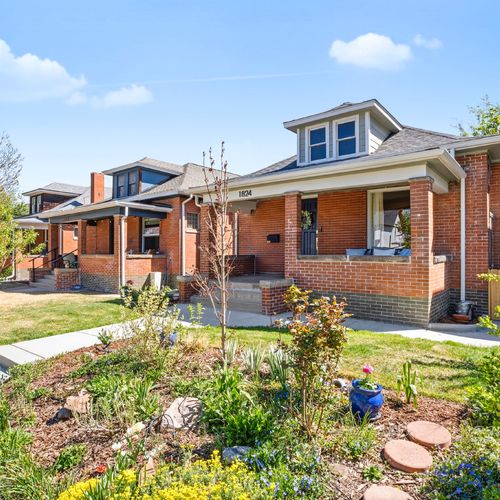



There's a specific kind of discomfort that's hard to explain to anyone who hasn't felt it—you're standing in a house that's perfectly fine on paper, nothing is broken, nothing is urgent, and yet something feels off. Maybe the spare bedrooms sit empty most of the year, or the yard that used to feel like a weekend project now just feels like a weekend obligation. Research on homeowner behavior consistently points to a handful of triggers that get people questioning their space — maintenance fatigue, storage that's maxed out, daily routines that no longer match the layout, and a neighborhood that made sense ten years ago but doesn't quite fit anymore. These feelings tend to surface after a significant shift, whether that's kids moving out, retirement getting closer, a career change, losing a partner, or simply realizing that your priorities have quietly moved in a different direction. That doesn't make you ungrateful or impulsive—it makes you someone paying attention. This article works through eight specific signs that your home may be working against you rather than supporting you, starting with the most practical and immediate ones, then moving toward the deeper lifestyle and identity questions that are harder to name but just as real. And just to be clear, rightsizing isn't a code word for downsizing—it means finding a home that actually fits the life you're living now, whatever that looks like. So which of these signs do you recognize in your own home?
No source link or source content summary was provided, so no external linking can be added.
1. Your Home Feels Like a Second Job
Most weekends have a rhythm to them—and for a lot of homeowners, that rhythm sounds like a lawnmower. Between cutting the grass, cleaning rooms that haven't been used in months, chasing down contractors for repairs, and working through a maintenance list that never seems to shrink, the house quietly starts consuming the time you thought was yours. What was once a manageable routine gradually turns into a full schedule of its own—gutters to clear, appliances to service, a leaking fixture that's been waiting three weeks for attention. The house isn't falling apart, but keeping it together takes more than it used to.
What makes this worth paying attention to is the emotional weight that comes with it. There's a difference between maintenance that feels satisfying—the kind where you finish a task and feel good about the result—and maintenance that just feels relentless. When upkeep starts generating resentment rather than a sense of care for your home, that's a meaningful shift. Many homeowners describe a quiet but persistent feeling of always being behind, where finishing one task only reveals two more waiting. That feeling doesn't mean something is wrong with you—it often means the house has grown beyond what genuinely supports your life right now.
Run a Simple One-Month Maintenance Audit
A straightforward way to get clear on whether this is actually a pattern is to track your upkeep for one month across three areas—
- Time—Log the hours you spend each week on chores, yard work, repairs, and any coordination with service providers or contractors.
- Money—Keep a running total of what you're spending on maintenance, whether that's materials, professional services, or tools.
- Energy—At the end of each week, note how you feel after handling home-related tasks. Are you drained, stressed, or frustrated more often than not?
One month is usually enough to see a clear picture. You're not looking for a perfect score—you're looking for whether the numbers feel proportionate to the life you're actually living in the space.
Noticing this pattern consistently over time is what gives this sign its weight. A difficult month here and there is normal for any homeowner. But when the drain feels steady—when weekends disappear into the house rather than into the rest of your life—that's when many people start seriously questioning whether the home still fits. Housing experts and rightsizing advisors often point to maintenance fatigue as one of the earliest and most concrete reasons homeowners begin reconsidering their space, precisely because it's measurable and hard to ignore once you start paying attention to it.
2. You are paying for space you barely use
Every month, your utility bills, insurance premiums, and cleaning schedule are calculated against the full square footage of your home—not just the parts where you actually spend your time. Heating and cooling a 3,000-square-foot house costs the same whether you're using all of it or just half. The furnace doesn't know that two bedrooms haven't been slept in for months. The homeowner's insurance doesn't adjust because a room sits dark most of the year. That gap between what you're paying for and what you're genuinely living in is where a lot of quiet financial drain hides.
Most homes have at least one or two of these rooms. The formal dining room that gets set up for Thanksgiving and maybe one other occasion a year. The guest bedroom that holds a bed, a dresser, and a growing collection of things that don't have anywhere else to go. The bonus room above the garage that was supposed to become a home office or a hobby space but has quietly turned into overflow storage. None of this is unusual—and it's not something to feel bad about. These rooms made sense at some point, and it's worth understanding that their purpose may have simply shifted.
What's worth paying attention to is a broader pattern. Most people, regardless of how large their home is, tend to live actively in roughly four to six rooms—the kitchen, the main living area, a bedroom or two, and maybe a bathroom or a home office. The rest of the house exists more in theory than in practice. There's nothing wrong with having a larger home if the space genuinely supports your daily life. The more useful question is whether the extra rooms are serving you or whether you're serving them—cleaning them, heating them, and insuring them out of habit rather than need.
A straightforward way to get honest about this is to mentally walk through your home room by room and sort each space into one of three categories—rooms you use daily, rooms you use a few times a week, and rooms you visit almost never. As you go through each one, notice whether the room supports something you actually do now, or whether it reflects a version of your life that has already changed. A guest room that hasn't had a guest in two years isn't a guest room anymore—it's a storage room with a bed in it. That distinction matters when you're trying to understand what your home is actually costing you.
Studies by Lawrence Berkeley National Laboratory found that closing vents in unused rooms saved homeowners an average of 5% on heating costs—but those same homeowners saw increased duct leakage, longer system run times, and accelerated wear on their equipment. Carrying unused square footage isn't a neutral choice. The costs are real and ongoing, and recognizing that is the first step toward understanding whether your home's size is still working in your favor.
3. Your Rooms No Longer Support the Way You Live Now
Square footage gets a lot of attention when people talk about whether a home fits—but the more telling issue is usually layout. A house can have plenty of space and still work against you every single day, simply because the rooms don't match what your life actually requires. The problem isn't always that you need more or less—it's that what you have is arranged for a version of your life that no longer exists.
Life tends to shift faster than a home does. A career move to remote work means you suddenly need a dedicated, quiet space to take calls and focus—but the house was designed around commuting, not working from it. An aging parent moving in changes which bedroom needs to be on the ground floor. An adult child returning home turns a craft room back into a bedroom overnight. These shifts happen gradually or all at once, and the house rarely adapts with them. What you're left with is a layout built for a household that has already changed.
The friction shows up in small, daily ways. You're spreading your laptop across the dining table because there's no real workspace, and every meal requires clearing it all away. The entryway dumps directly into the main living area with nowhere to drop bags, shoes, or mail without it becoming clutter. The kitchen triangle—the path between the fridge, stove, and sink—runs straight through the busiest part of the house. There's no room where you could realistically set up a yoga mat or a stationary bike without it feeling like an afterthought. These aren't minor inconveniences. They're daily evidence that the home's design and your actual routine are pulling in different directions.
A Quick Self-Check for How Well Your Home Actually Fits
Working through a few honest questions can help clarify whether the friction you're feeling is situational or structural—
- Are the bedrooms in your home actually being used by the people who live there now, or are they still set up for a household configuration that has already shifted?
- Do you have a workspace where you can close a door, manage noise, and focus—or are you improvising in shared spaces that weren't designed for concentrated work?
- Does your storage support what you reach for every day, or has it become a place to put things you don't know what to do with?
- Can you move between the entryway, kitchen, laundry area, and main living space without the layout creating unnecessary steps or bottlenecks?
- Is there at least one room in the house that genuinely supports something you care about now—a hobby, regular exercise, hosting people you care about, or caregiving?
Feeling frustrated by your own home's layout on a regular basis is worth taking seriously. That friction is your daily routine running up against a design that wasn't built for it—and that gap tends to widen, not close, the longer it goes unaddressed.
4. The Cost of Keeping This Home No Longer Matches Your Priorities
Most homeowners think about affordability in terms of whether they can make the monthly mortgage payment—but that number only tells part of the story. The fuller picture includes property taxes, homeowner's insurance, utility bills, lawn care, pest control, and the repairs that tend to cluster together right when you least expect them. According to CNBC, "the average U.S. homeowner spends $23,686 annually on expenses beyond their mortgage," and that figure climbs to nearly $28,000 when HOA fees are factored in. Property taxes alone aren't stable—ATTOM data shows the average property tax bill for a single-family home went up by 3.7% in 2025. These aren't one-time costs. They're recurring, and they tend to grow.
What makes this worth sitting with is that none of it requires the home to be failing you in any obvious way. A house can be genuinely loved—well-maintained, full of history, comfortable in all the right ways—and still be pulling more financial resources than the life you're living inside it actually warrants. The question isn't whether the home is objectively expensive. It's whether the total amount flowing toward it each month feels proportionate to how much of your daily life it's genuinely supporting right now.
That gap matters most when you start thinking about what the same money could fund instead. For someone approaching retirement, those dollars might mean the difference between traveling twice a year or once. For a couple whose kids have moved out, it might mean having the flexibility to help a child with a down payment, cover a health expense without stress, or finally pursue something that keeps getting pushed to later. Financial planners often describe this as opportunity cost—the life you're quietly not funding because the house keeps taking first priority. It's not about being irresponsible with a home you care about. It's about being honest with yourself about what you're trading away to keep it.
There's also a specific kind of financial drag that comes from maintaining square footage that no longer plays a real role in your days. As covered earlier, unused rooms and layouts that don't match current routines are a practical frustration—but they're also a financial one. Heating, cooling, insuring, and cleaning space that sits dormant most of the year adds up quietly. Financial advisors generally recommend setting aside about 1% to 3% of a home's value annually for upkeep and repairs, which on a $500,000 home means $5,000 to $15,000 a year—much of it going toward maintaining the parts of the house you rarely use.
Totaling up what the home actually costs each year—taxes, insurance, utilities, maintenance, and repairs—and then holding that number next to the life you genuinely want to fund right now is a worthwhile exercise. That kind of misalignment doesn't only show up after a job loss or a drop in income. It can surface just as quietly after a shift in what you care about most, which is a different kind of change, but just as real.
No source link or source content summary was provided, so I cannot add any external linking.
5. Your Location No Longer Makes Daily Life Easier
The previous signs in this article have all lived inside the house—the rooms, the costs, the upkeep. But sometimes the house itself isn't the problem. The friction is coming from where it sits and what getting through a normal week actually requires from you because of that. This is less about dramatic dissatisfaction and more about a quiet accumulation of effort—the kind that builds up so gradually you don't notice how much energy your address is taking from you until you stop and look at it directly.
That effort tends to show up in specific, repeatable ways. Your closest friends live 45 minutes away, and seeing them requires planning rather than spontaneity. Your doctor, specialist, or physical therapist is a 30-minute drive each way, which means a single appointment takes half a day. The gym you actually like isn't walkable, the grocery store you prefer requires getting on a highway, and the neighborhood itself doesn't have much you can reach on foot. For some people, it's the absence of a coffee shop, a park, or a walkable main street—not because those things are luxuries, but because proximity to them changes how much friction exists in an ordinary Tuesday.
There's also a subtler layer to this that goes beyond logistics. Some homeowners genuinely still like their house but feel increasingly out of step with the area around it. The neighborhood may have shifted—or their own priorities may have—and either way, the fit isn't quite there anymore. The social fabric of the area no longer matches where they are in life. The community events, the pace, the types of amenities nearby—none of it lines up with what they actually want from their days now. That kind of mismatch is harder to name than a long commute, but it's just as real and worth taking seriously.
Your Weekly Routine Location Check
A simple way to get honest about whether your location is still working for you is to map out your actual week on paper—
- Write down every place you go in a typical week—work, medical appointments, the gym, the grocery store, friends' homes, places you go for enjoyment or social connection.
- Note how long each trip takes, door to door, including any traffic or parking time you regularly deal with.
- Mark which drives feel easy and which feel draining—not just long, but the ones that leave you feeling like the trip cost more than it was worth.
- Look at the full list and ask whether your location still supports the life you want right now, not the life you were living when you moved there.
Seeing those trips written out in one place tends to make the pattern hard to ignore. When the same destinations keep showing up as draining—when ordinary errands and social visits consistently require more time and energy than they should—that's a sign worth paying attention to. The house may be fine. It's the broader situation around it that may no longer fit.
No source link or source content summary was provided, so no external linking can be added.
6. Leaving Town Feels Harder Than It Should
Not every sign that a home has outgrown your life is loud or obvious. Some show up only when you try to step away from it—and suddenly realize how much the house needs you to stay. For many homeowners, the first real clue that something has shifted comes when planning a trip starts to feel less like anticipation and more like project management.
Before a week away can actually happen, there's a list to work through—finding someone to water the garden or maintain the irrigation system, arranging a house sitter or asking a neighbor to keep an eye on things, pausing mail and redirecting deliveries, and making sure the outdoor lighting is on a timer. None of these tasks is impossible on its own, but together they add up to a significant amount of coordination just to get out the door. For homeowners with larger yards, a pool, or mature landscaping that needs consistent care, even a short trip requires lining up a gardener or a pool service to cover the gap.
The complexity deepens with older homes or properties that carry more moving parts. A house with an aging HVAC system, a sump pump that's been temperamental, or a roof that's had a few soft spots repaired recently isn't something you can simply lock up and walk away from without some level of concern. Storm season adds another layer—if the house is in an area prone to heavy rain, high winds, or flooding, leaving during certain months means either staying home or accepting that something could go wrong while you're gone and there's no one there to catch it early. High-maintenance features like a greenhouse, a koi pond, or a guest cottage that needs its own systems monitored all carry the same weight.
What makes this sign particularly worth paying attention to is what happens once you're actually away. The trip is booked, the arrangements are made, and you're somewhere you genuinely want to be—but a part of your attention never fully arrives. You check your phone more than you'd like to. A weather alert for your zip code pulls you out of the moment. You find yourself wondering whether the house sitter remembered to check the basement after the rain. That low-level background worry isn't just a personality trait. It's often a direct response to owning a property that genuinely requires consistent watching, and no amount of careful planning fully quiets it.
Owning a property on a large lot, a heritage home with original systems, or a house with a long list of seasonal tasks tends to make this pattern more pronounced. The more the property demands, the harder it becomes to be fully present somewhere else. Sitting with the honest question of whether your home supports the kind of freedom you want right now—whether that's extended travel, spontaneous weekends away, or simply the ability to leave without a checklist—is a worthwhile place to land.
7. Your Layout Makes Connection Harder Instead of Easier
Most of the signs covered so far have been measurable—hours spent on upkeep, dollars going toward unused square footage, the number of trips it takes to get through a normal week. This one is different. It tends to show up first as a quiet shift in your social life—fewer people coming over, invitations that feel like too much effort to extend, a general sense that the house just doesn't lend itself to the kind of time together you actually want.
A closed-off kitchen is one of the most common culprits. When the person cooking is physically separated from the rest of the group, conversation breaks into fragments—someone has to raise their voice, leave the room, or miss the exchange entirely. What could be an easy weeknight dinner with a friend turns into a back-and-forth between two separate spaces. Research on how design influences social behavior supports this—"logically organized spaces, convenient amenities and a variety of furniture arrangements bring people together and invite opportunities for people to 'hang out' together," according to designer Phillips of LPA Design Studios. When a layout works against that logic, even low-effort gatherings start to feel like they require more coordination than they're worth.
The awkwardness compounds when guests have to move through private areas of the home just to get where they're going—walking past a bedroom to reach a bathroom, cutting through a personal office to get to the back patio. Beyond that, seating arrangements that scatter people across separate rooms rather than drawing them into one comfortable space make it hard for any real conversation to take hold. A home designed around hosting a large holiday gathering every few months operates on entirely different terms than one that supports a relaxed dinner for four on a Tuesday. If your house was built for the former but your life has shifted toward the latter, that gap tends to show up every time you consider having someone over.
How Your Home Functions Socially Right Now
Before deciding whether the layout is something to work around or something to move away from, it helps to be honest about a few specific things—
- Have you quietly stopped inviting people over, not because you don't want company, but because the house makes it feel like more effort than it should be?
- Does the thought of hosting involve a mental checklist before anyone even arrives—rearranging furniture, closing off certain rooms, or redirecting guests away from private areas?
- Can someone sit in your kitchen or living area and hold a real conversation with you while you're cooking or moving around?
- Does your seating naturally pull people into the same space, or does it scatter them?
- Does the way your home is set up still match the kind of gathering you actually want—smaller, more relaxed, lower effort?
Rethinking how certain rooms are used—opening up a wall, repositioning furniture, repurposing a formal dining room—solves this for some homeowners. For others, the floor plan itself is the constraint, and no amount of rearranging changes the fundamental way the space works. That's a structural mismatch, and it's a legitimate reason to consider whether a different home might simply support the connections you care about more naturally.
8. You Have Changed, but Your Home Still Reflects an Older Version of You
All the previous signs in this article point outward—the upkeep, the costs, the layout, the location. This one points inward. Of all the ways a home can stop fitting, this is the one that takes the longest to name, because it isn't about what the house is doing wrong. It's about the gap between who you were when you chose it and who you actually are now.
Most homes are chosen during a specific chapter—the years when the school district mattered, when the commute to a particular office shaped which neighborhoods were even worth considering, when a four-bedroom house with a formal dining room felt like the right signal to send about where life was headed. The house made sense then. It reflected real priorities—space for children, proximity to work, a certain image of what a successful household looked like. None of that was wrong. It was just true for a version of life that has since moved on.
What's worth sitting with is how much of that earlier chapter still lives inside the walls. The craft room that was built out for a hobby the kids had in middle school. The formal living room that gets used twice a year and feels more like a showroom than a place anyone actually rests. The garage storage filled with equipment from a fitness routine that ended years ago, or boxes from a career that no longer exists in the same form. These spaces aren't just unused—they're preserved, almost like artifacts of a life that has quietly closed. Walking past them every day creates a kind of low-level friction, a reminder that the house is still holding a shape that no longer matches the person living inside it.
What many homeowners find, once they get honest about it, is that their current priorities look quite different from the ones that drove the original purchase. Fewer people want more square footage—they want more freedom. They want a home that doesn't require a full weekend to maintain, one that's easy to leave for a month without a coordination effort, one that sits close to people they care about rather than close to an office they no longer go to. Creativity, wellness, flexibility, and genuine community start to matter more than the number of rooms or the size of the yard. That shift is real, and it deserves to be taken seriously rather than talked out of.
Sitting with the question of what kind of life you actually want right now—not the life you planned for ten years ago, not the life that made sense when the kids were young — is where this whole conversation really begins. The house is a reflection of choices made in a different context. Those choices were good ones. But the context has changed, and so have you, and the most honest question isn't what to do with the house first. It's what you want your daily life to actually feel like from here.
What Comes Next?
The eight signs covered in this article - too much unused space, rooms that no longer serve your routines, maintenance that drains your time and energy, a layout that works against how you actually live, costs that outpace the value you get, difficulty leaving when you travel, a location that no longer fits your daily needs, and a growing sense that the home just feels wrong - are not random complaints. Together, they form a honest picture of whether your home is still working for you.
Noticing these signs does not mean you need to list your home tomorrow. What it does mean is that the discomfort you feel deserves real attention, not just a weekend project to push it aside. Start small if that feels right, a maintenance audit, a room-use review, a cost check, or even spending a few days in a different neighborhood or housing style to see how it feels. Sometimes that's enough to get clarity.
Right-sizing looks different for everyone. For some people it means moving to something smaller. For others it means redesigning what they already have, relocating to a better-suited area, or simply using their space more intentionally. None of these paths is better than the others.
What matters is that your home supports the life you're actually living now, not the one you were living ten years ago. If this article helped you put words to something you've been quietly feeling, that's a good place to start. Take one small step this week and see where it leads.
FAQs
How do I know if it's time to rightsize my home in Denver?
Many homeowners begin considering rightsizing when their home requires more maintenance, expenses, or unused space than fits their current lifestyle. If your daily routines, travel goals, or future plans no longer align with your home's layout, size, or location, it may be worth exploring your options.
What is the difference between rightsizing and downsizing?
Rightsizing is about finding a home that better supports your current lifestyle, priorities, and goals. While some people move to a smaller home, others choose a different layout, location, or type of property that better fits their next chapter.
Should I renovate my current home or move to a new one?
The answer depends on your goals. Renovations can solve certain challenges, such as outdated layouts or accessibility concerns. However, if your home's location, maintenance demands, or overall footprint no longer fit your lifestyle, moving may be the better long-term solution.
What are the best Denver neighborhoods for homeowners looking to rightsize?
The best neighborhood depends on your priorities. Some homeowners prioritize walkability and access to restaurants and cultural attractions, while others prefer low-maintenance living, proximity to family, or easier access to parks and outdoor recreation. A local real estate professional can help identify communities that align with your lifestyle goals.
When should I start planning for a future move?
Many homeowners begin planning one to three years before they intend to move. Starting early provides time to evaluate your finances, explore neighborhoods, make improvements to your current home, and thoughtfully determine what type of home will best support your future.
How can a real estate agent help with rightsizing?
An experienced agent can help you evaluate your current home's value, identify housing options that fit your goals, coordinate trusted service providers, and create a personalized plan that makes the transition feel manageable and less overwhelming.
Check out this article next