


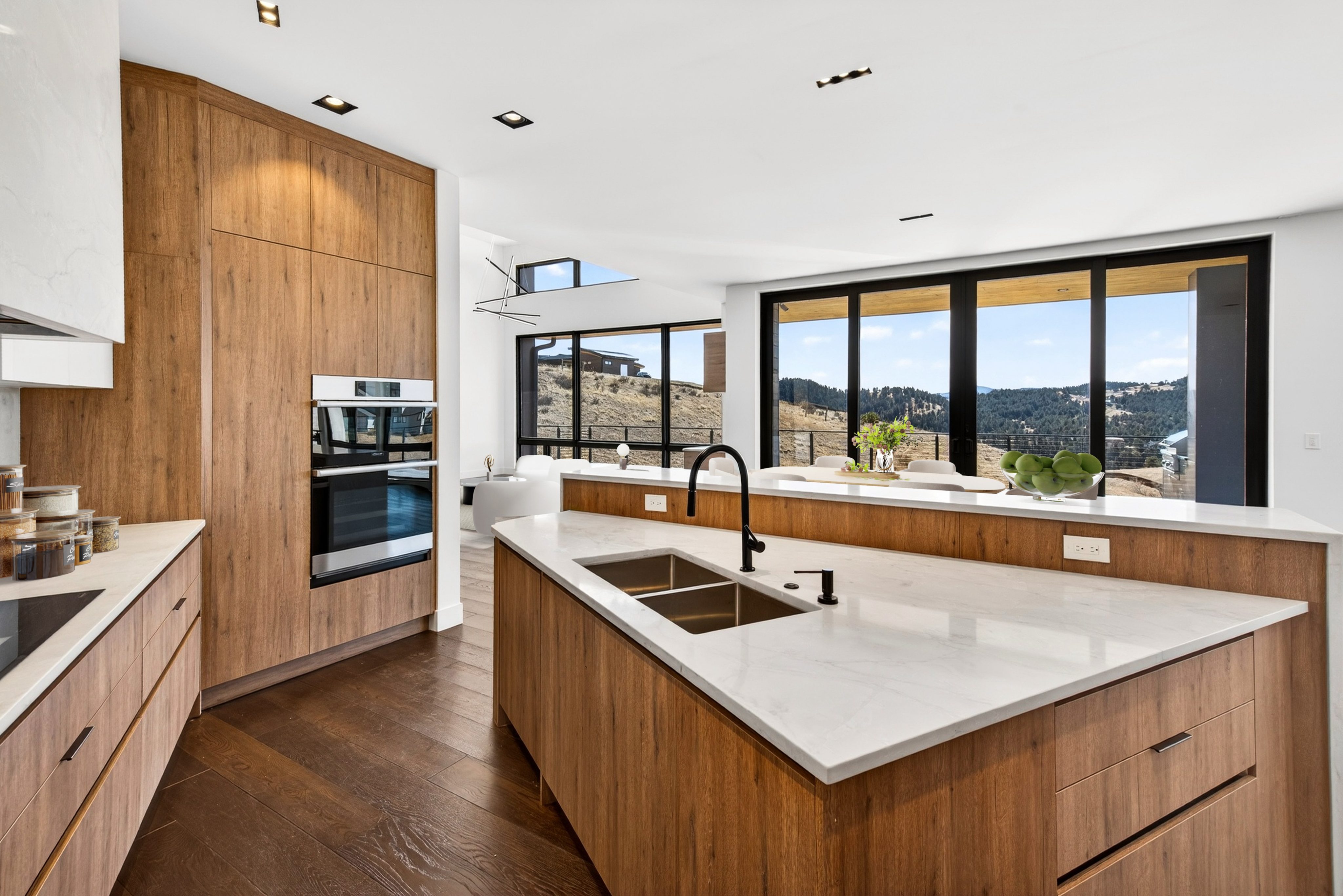
The biggest mistake Denver buyers make right now is falling for homes that look impressive but feel cold the moment they step inside. After walking through hundreds of properties across neighborhoods from Highlands to Cherry Creek, I've watched buyers' faces change when they enter spaces that prioritize stark minimalism over warmth and livability. The shift happening in Denver home design reflects what people actually want to live in daily - not just what photographs well for social media. Buyers are gravitating toward mountain-modern influences that blend Colorado's natural beauty with comfortable functionality, choosing limewash walls over sterile white paint and natural wood finishes over glossy surfaces. This article breaks down the specific design elements that make Denver buyers pause and take notice, plus the practical upgrades that help homes sell faster while maintaining long-term value. You'll learn to spot buyer-friendly details during open houses that signal a home was designed for real living, not just visual impact. Whether you're considering updates to your current home or evaluating potential purchases, understanding these trends helps you make decisions that feel right both now and years down the road. From updated bungalows in Berkeley to newer builds in Stapleton, certain design choices consistently win over buyers across different price points and neighborhoods. What specific elements should you look for when touring homes, and which upgrades deliver the biggest impact without screaming "trendy renovation that will look dated in three years"?
I notice that the source content summary is empty, so I cannot determine what specific content the source covers or what text in the section would be relevant to link. Without knowing what the source actually discusses, I cannot identify which statements, statistics, or claims in the section would be appropriately supported by this source.
The Buyer-Approved Look in Denver Right Now - Warmth, Texture, and Easy Living
Denver homes that sell quickly share one common thread - they embrace comfort over clinical perfection. While sterile minimalism with bright white walls and cool gray accents dominated previous years, buyers now gravitate toward spaces that feel genuinely livable from the moment they walk through the front door.
Warm Neutrals That Photograph Better (and Feel Better)
The color revolution happening in Denver homes centers on earth-inspired hues that create instant connection. Creamy whites with honey undertones, soft taupes, and light caramel browns have replaced the stark brightness that once defined contemporary interiors. These shades work because they complement Colorado's natural light patterns throughout the day, from morning sun streaming through windows to the golden hour glow that defines Denver evenings.
Real estate photographers love these palettes because they create depth in listing photos without overwhelming the space. More importantly, these colors make potential buyers feel welcomed rather than intimidated. When someone enters a room painted in warm cream instead of stark white, their shoulders relax and they start envisioning their own belongings in the space. The psychological impact translates directly to longer showing times and stronger emotional connections.
Texture Is the New Wow Factor
Smart sellers have discovered that tactile elements create more lasting impressions than expensive statement pieces. Buyers remember how a space feels under their fingertips long after they forget specific furniture arrangements or artwork choices.
The texture elements that consistently win over Denver buyers include:
The Middle Ground - Clean Lines Without Feeling Sterile
The sweet spot Denver buyers seek combines organized simplicity with human warmth. This means choosing furniture with straight edges but soft fabrics, maintaining clear surfaces while incorporating plants or books that suggest real living. Successful spaces feel curated but not precious, functional but not cold.
The difference between sterile and inviting often comes down to small details. Do choose natural materials over synthetic ones, but don't fill every surface with decorative objects. Do maintain clear pathways and uncluttered counters, but don't remove every personal touch that makes a house feel like a home. The goal is creating spaces where buyers can breathe easily while imagining their daily routines unfolding naturally.
Quick Open-House Check (First 30 Seconds)
Walking through potential homes becomes more productive when you know exactly what signals buyer appeal:
- Walls - Notice whether paint has warm or cool undertones, and check for texture depth that suggests quality application rather than basic contractor-grade work.
- Flooring - Look for consistent wood tones throughout connected spaces and natural materials that show well-maintained aging rather than perfect uniformity.
- Lighting - Observe bulb temperatures that create cozy ambiance and multiple light sources that provide layered illumination instead of harsh overhead-only options.
- Hardware and fixtures - Scan for matching finishes across rooms that demonstrate attention to cohesive design rather than random replacement choices.
Recognizing these elements quickly helps identify homes where previous owners understood current buyer preferences. Properties displaying cohesive warmth combined with thoughtful texture choices typically generate multiple offers because they appeal to both practical needs and emotional desires that drive purchasing decisions.
Kitchens that sell in Denver what people actually use and pay for
Buyers spend more time scrutinizing kitchen details than any other room because this space determines whether they can envision their daily routines unfolding comfortably. The kitchen becomes the deal-maker or deal-breaker during final negotiations, often swaying offers by thousands of dollars based on functionality rather than flashy finishes.
Trendy design elements lose their appeal faster in kitchens than anywhere else because families use these spaces intensively every single day. Subway tile with dark grout that seemed sophisticated two years ago now reads as high-maintenance, while statement backsplashes with bold geometric patterns already feel overwhelming to buyers seeking timeless appeal. Open shelving that looked Instagram-worthy quickly reveals its impracticality when buyers consider storing their actual dishes and appliances without constant reorganization.
Denver buyers consistently invest more money in homes where kitchen functionality solves real problems they face daily. They pay premiums for adequate storage that accommodates bulk shopping trips to Costco, counter space that handles meal prep for active families, and layouts that support entertaining Colorado's outdoor-loving social culture. The buyers who drive multiple offers understand that a well-designed kitchen saves time and reduces stress, making higher purchase prices feel justified.
Multifunction islands anchor successful Denver kitchens because they address three critical needs simultaneously - workspace for cooking, storage for equipment, and seating for casual meals or homework supervision. The 92% of kitchen remodels now include or upgrade an island reflects how essential these features have become rather than luxury additions. Buyers specifically evaluate whether islands provide adequate prep space for multiple cooks, storage accessible from both sides, and comfortable seating that doesn't interfere with cooking workflows. Islands that successfully combine these functions often determine which homes receive serious consideration versus quick dismissals during tours.
Pantry solutions generate immediate buyer excitement because Denver lifestyles demand serious food storage capacity for everything from ski trip provisions to summer camping supplies. Walk-in pantries with adjustable shelving systems accommodate changing needs over time, while butler's pantries create secondary prep zones that keep main kitchens organized during entertaining. Built-in pantry cabinets with pull-out drawers maximize accessibility and prevent items from disappearing into deep corners where they're forgotten and wasted.
Seamless visual flow creates the higher-end impression that justifies premium pricing without requiring luxury budgets. Paneled appliances and integrated refrigerators that match cabinetry satisfy the 85% expectation among designers for cohesive kitchen aesthetics rather than appliance showrooms. Countertop materials that extend up backsplash walls eliminate grout lines and create uninterrupted surfaces that feel more expensive while requiring less maintenance. These details signal thoughtful planning rather than piecemeal updates, helping buyers trust that other home systems received similar attention.
Updating existing kitchens without major renovation starts with changing light bulb temperatures to warmer tones that complement natural wood and avoiding harsh overhead-only illumination that creates unflattering shadows during evening cooking. Swapping cabinet hardware to brushed brass or matte black finishes instantly modernizes dated spaces, while painting cabinets in soft sage or warm gray tones replaces builder-grade oak staining that feels outdated. Clearing countertops of small appliances and decorative items allows buyers to focus on available workspace rather than clutter, creating the same calm atmosphere that defines successful warm minimalism combined with practical livability.
Mountain modern has softened and buyers like it that way
Heavy timber beams and lodge-style stonework once dominated what Denver buyers expected from mountain-inspired homes, but this approach now feels forced and theatrical in urban neighborhoods. The evolution toward gentler interpretations of Colorado's natural beauty reflects buyers' desire for authenticity rather than costume-like staging that screams "mountain retreat" in the middle of the city.
This transformation matters significantly for resale value because refined mountain modern reads as timeless rather than trendy, avoiding the dated appearance that overly themed homes develop within just a few years. Properties that capture Colorado's essence through subtle material choices and restrained natural elements appeal to broader buyer pools while maintaining their relevance across different market cycles.
What Mountain Modern Used to Mean (and What It Means Now)
Traditional mountain modern relied heavily on dramatic architectural statements - exposed log construction, massive stone fireplaces, and dark wood paneling that announced "cabin" from the moment buyers entered. These elements worked beautifully in actual mountain settings but translated poorly to Denver's diverse neighborhoods, where they often appeared disconnected from their surroundings.
Contemporary interpretations focus instead on capturing the feeling of Colorado's outdoor spaces through materials, textures, and proportions that suggest rather than shout. "There are still modern lines and materials throughout, but traditional elements can really soften the sleek modern feel," explains Sarah Tiedeken O'Brien from Vertical Arts Architecture. This approach creates homes that honor Colorado's landscape without overwhelming buyers with heavy-handed rustic elements.
The Updated Mountain-Modern Palette (Colorado, Not Costume)
The materials driving successful mountain modern homes today balance natural authenticity with sophisticated restraint, creating spaces that feel connected to Colorado without appearing themed.
How to Apply It by Home Type
Updated bungalows benefit from strategic additions of natural materials that enhance their original charm rather than competing with existing character. Adding walnut built-ins around original windows, incorporating stone accent walls that complement existing brick, or installing rift oak floors that honor the home's proportions creates cohesion between old and new elements. The key lies in choosing materials that feel like natural extensions of the home's original design rather than obvious updates.
Newer builds often lack the character that buyers associate with established Denver neighborhoods, making thoughtful material choices essential for creating depth and interest. Incorporating textured wall treatments, varying ceiling heights with natural wood beams, or adding stone elements that break up large expanses of drywall helps these homes develop personality. The goal involves creating visual interest through materials rather than relying solely on architectural drama or expensive finishes.
Buyer Red Flags That Kill the "Modern" Part
Overly rustic finishes immediately signal amateur execution to discerning buyers, particularly when rough-hewn wood competes with sleek appliances or when cabin-style lighting fixtures clash with contemporary layouts. Multiple competing wood tones throughout connected spaces create visual chaos rather than cohesive design, while staged décor featuring antler chandeliers, cowhide rugs, or lodge-themed artwork makes city properties feel like vacation rentals rather than permanent homes. These elements work against the sophisticated restraint that defines successful mountain modern design.
Achieving authentic mountain modern requires discipline in material selection and restraint in application, focusing on natural elements that enhance rather than dominate the overall design. Successful spaces maintain clean lines while incorporating organic textures, creating homes that feel both contemporary and connected to Colorado's natural beauty without resorting to obvious mountain imagery.
Warm Minimalism - The Move Away from Stark Modern
Bright white walls and sharp gray accents that once defined sophisticated Denver interiors now leave buyers feeling disconnected and uncomfortable during home tours. The harsh contrasts and clinical finishes that dominated recent years create spaces that feel more like medical facilities than welcoming homes, particularly problematic when Colorado's intense sunlight amplifies these cold tones throughout the day. Winter months compound this issue, as stark interiors offer no visual warmth to counterbalance shorter days and longer indoor time, leaving potential buyers with an emotional chill that translates directly into shorter showing times and weaker offers.
The solution lies in what designers call warm minimalism - "quiet without emptiness" - an approach that maintains clean lines and uncluttered surfaces while introducing elements that invite human connection. This design philosophy creates homes that feel intentionally curated rather than accidentally bare, where every element serves both functional and emotional purposes. Warm minimalism achieves the organized simplicity that Denver buyers seek without sacrificing the comfort and livability that makes a house feel like home from the first walkthrough.
Paint selections drive the entire warm minimalist aesthetic, with soft whites in the Greek Villa family replacing stark bright whites that feel harsh under Denver's variable lighting conditions. These creamy undertones work beautifully with natural trim colors like warm ivory or subtle beige, creating gentle transitions between surfaces rather than jarring contrasts that demand attention. Buyers respond positively to these softer palettes because they suggest careful consideration and quality finishes, while the reduced contrast makes rooms appear larger and more cohesive than spaces with dramatic color breaks.
Floor-to-ceiling built-in storage systems exemplify how warm minimalism translates into practical space planning that buyers immediately recognize as valuable. These integrated solutions create clean sight lines by eliminating furniture gaps and visual interruptions, making rooms appear both larger and more expensive than spaces filled with individual pieces. Custom cabinetry that extends to the ceiling maximizes storage capacity while maintaining the uncluttered aesthetic that defines successful minimalism, addressing Denver buyers' need for organization without sacrificing style or functionality.
Preventing warm minimalist spaces from feeling bland requires strategic layering of natural materials and varied textures rather than adding decorative objects that create visual clutter. Wood grain variations in flooring, cabinetry, and accent elements provide subtle interest that changes throughout the day as light shifts across surfaces. Stone textures, woven fabrics, and matte finishes create tactile depth that invites touch while maintaining the calm atmosphere that makes these spaces feel restorative rather than stimulating.
Evaluating warm minimalist execution during home tours focuses on identifying spaces that achieve "simplicity without sterility" through thoughtful material choices and restrained color palettes. Look for homes where natural elements like wood and stone appear integrated into the design rather than added as afterthoughts, and where lighting creates gentle ambiance rather than harsh illumination. The most successful warm minimalist homes feel complete and intentional without appearing empty or unfinished, demonstrating that the owners understood the difference between thoughtful simplicity and basic neglect.
Texture forward finishes that make a home feel custom not trendy
Smooth surfaces and glossy materials that defined recent Denver interiors fail to create the personal connection buyers seek when they run their hands along cabinet doors or lean against kitchen islands. The shift toward tactile elements transforms simple spaces into homes that feel individually crafted rather than mass-produced, addressing the desire for authenticity that drives today's purchasing decisions.
Textures buyers touch and remember
Physical interaction with surfaces creates lasting impressions that outlast visual memories, making tactile finishes crucial for homes that need to stand out during competitive showing schedules.
Mixing materials the Denver way (without a mismatched remodel)
Successful material combinations in Denver homes center on the wood-stone-soft metals trio that reflects Colorado's natural landscape without appearing forced or theatrical. "Manufacturers now cut fine threaded channels into solid timber" creating surfaces that maintain clean lines while adding tactile interest, allowing wood elements to serve as both structural and decorative components. This approach works because each material serves a specific purpose - wood provides warmth, stone adds permanence, and brushed metals offer contemporary sophistication.
The key to avoiding visual chaos lies in maintaining consistent undertones across all three material families while varying the textures and applications. Warm-toned woods like walnut or white oak pair naturally with honey-colored limestone or travertine, while brushed brass or aged bronze hardware ties the palette together without competing for attention. This combination feels intentional rather than accidental because the materials share similar color temperatures and complement rather than contrast with each other.
Successful execution requires limiting patterns to one focal moment per room while keeping finish temperatures consistent across connected spaces. Matte surfaces dominate over glossy alternatives, and natural variations take precedence over perfect uniformity, creating homes that feel lived-in from the moment buyers enter.
Easy wins at different budgets
Strategic updates at different investment levels can transform ordinary spaces into buyer magnets without requiring major construction or layout changes.
- Under $10K swaps focus on replacing builder-grade elements with organic alternatives that immediately signal quality improvements. Swapping standard light fixtures for woven pendant lights or natural wood chandeliers creates instant visual interest, while updating cabinet hardware to brushed brass or matte black finishes modernizes entire kitchens. Adding one statement tile moment - perhaps a textured backsplash behind the range or accent wall in a powder room - provides the custom detail that buyers remember long after leaving the property. These targeted changes create disproportionate impact because they address the most-touched and most-noticed elements that buyers evaluate during tours.
- Mid-range refresh investments between $10K-25K allow for surface transformations that add significant depth without altering room layouts or major systems. Replacing smooth cabinet doors with reeded or beaded alternatives instantly creates custom millwork appearance, while adding limewash-effect paint treatments to accent walls provides sophisticated texture variation. Installing natural stone countertops or backsplashes introduces the permanence and luxury that buyers associate with quality construction, particularly when paired with existing wood elements. These improvements deliver substantial buyer appeal because they address multiple senses simultaneously - visual depth, tactile interest, and perceived value.
How to choose timeless versions (not trend bait)
Selecting finishes that maintain appeal across market cycles requires focusing on classic proportions rather than dramatic statements, matte surfaces instead of high-gloss alternatives, and natural color palettes that complement rather than compete with architectural elements. "The irregular offcuts give each panel its own grain map" demonstrates how authentic materials create interest through inherent variation rather than applied patterns or artificial textures.
Pattern restraint prevents spaces from appearing dated within just a few years, making it essential to limit bold designs to single accent moments while maintaining neutral foundations throughout connected areas. Organic shapes and handcrafted irregularities signal quality craftsmanship without screaming for attention, creating the sophisticated restraint that appeals to buyers across different style preferences.
Evaluating these choices during property tours requires examining how materials interact with natural light throughout the day and whether tactile elements enhance or distract from the overall space functionality.
I notice that no source link or source content summary was provided in your request. Without knowing what the source contains, I cannot determine which text in the section should be hyperlinked.
Here is the original section unchanged:
What looks best where matching design choices to Denver neighborhoods and price points
Appraisers determine home values by comparing recent sales within the same neighborhood, making design choices that align with local expectations crucial for maximizing return on investment. When renovations feel disconnected from surrounding properties or neighborhood character, they often fail to add proportional value because buyers struggle to justify premium pricing for homes that don't fit their mental image of what belongs in that area. Denver's diverse neighborhoods each carry distinct buyer expectations based on architectural heritage, price ranges, and the lifestyle preferences of residents who choose to live there.
Mismatched renovations can actually hurt resale potential when ultra-modern finishes clash with traditional architecture or when luxury upgrades exceed what comparable homes in the area can support. Buyers evaluate properties within the context of their surroundings, and homes that feel out of place generate fewer offers regardless of renovation quality or expense.
Historic neighborhoods and early 20th century properties respond best to Colonial Chic elements that honor original architectural details while providing contemporary functionality. Creamy whites and soft ivory tones complement original millwork and hardwood floors without competing for attention, while brass hardware and traditional cabinet styles maintain period authenticity. Crown molding restoration and original window preservation signal respect for the home's heritage, appealing to buyers who specifically seek character properties in established areas like Cheesman Park or Congress Park.
Central Denver bungalows achieve maximum buyer appeal through warm neutral palettes that enhance their cozy proportions rather than fighting against them. Sage green accents work beautifully with original brick and complement the Arts and Crafts aesthetic that defines these neighborhoods, while natural wood kitchen islands provide additional workspace without overwhelming compact layouts. Hand-glazed subway tiles and craftsman-style lighting fixtures respect the era while meeting modern functionality needs, creating cohesion between original elements and necessary updates.
Newer suburban developments benefit from integrated appliance packages and clean-but-warm color schemes that feel sophisticated without appearing stark. Built-in refrigerators and paneled dishwashers create seamless kitchen designs that justify higher price points, while practical additions like mudroom storage and oversized pantries address the lifestyle needs of families choosing these communities. Consistent flooring throughout main levels and coordinated light fixtures demonstrate attention to detail that suburban buyers expect at their price point.
Luxury properties require seamless surface transitions and higher-end material integration that creates visual flow across multiple rooms and levels. Walk-in pantries with custom organization systems, wine storage, and secondary prep areas address the entertaining expectations of buyers in premium price ranges, while consistent stone selections and coordinated metal finishes throughout the home demonstrate the cohesive planning that luxury buyers demand.
Successful renovations read as quality construction rather than personal taste preferences, ensuring broader buyer appeal and stronger appraisal support. Durable materials like natural stone countertops and solid wood cabinetry signal long-term value, while neutral color palettes allow buyers to envision their own belongings in the space. These choices expand the potential buyer pool because they avoid polarizing design decisions that might eliminate entire demographic segments from consideration.
Olivia guides clients through renovation decisions by evaluating timing constraints, budget parameters, and neighborhood comparable sales to determine which improvements deliver measurable returns versus those that primarily serve personal preferences. Projects requiring extensive construction time often get deferred to new owners when selling timelines are tight, while quick-impact updates like paint, hardware, and lighting receive priority for immediate market preparation. Strategic planning prevents over-customization that narrows buyer appeal while ensuring completed improvements align with neighborhood standards and price point expectations.
Final Thoughts
Denver home style right now comes down to one clear truth - warm, textured, and practical design wins every time, and buyers respond fast when it feels intentional. We've covered the shift from stark modern spaces to warm minimalism, the mountain-modern influences that feel authentic to our area, and the texture-forward finishes that create depth without overwhelming a space.
The highest impact buyer-friendly choices remain consistent across neighborhoods - warm neutrals that feel inviting rather than cold, functional kitchens that work for real life, subtle mountain modern elements that connect to our location, and natural textures like limewash walls and organic wood that age beautifully. These elements create homes that feel current without chasing trends that date quickly.
This information gives you real power during your search or sale. Homeowners gain clarity on upgrades that support both daily living and resale appeal. Buyers develop confidence in spotting details that hold value long-term rather than falling for surface-level staging tricks. The tour checklist we discussed helps you identify authentic quality and avoid trendy traps that look dated within a few years.
Your next step matters. Whether you're preparing to sell or actively house hunting, Denver's neighborhoods each have their own character and buyer expectations. Reach out to Olivia for neighborhood-specific guidance on what will show best for your particular home and budget. She understands which design choices resonate most in different price points and can help you make decisions that align with both your goals and what Denver buyers actually want right now.
Check out this article next