


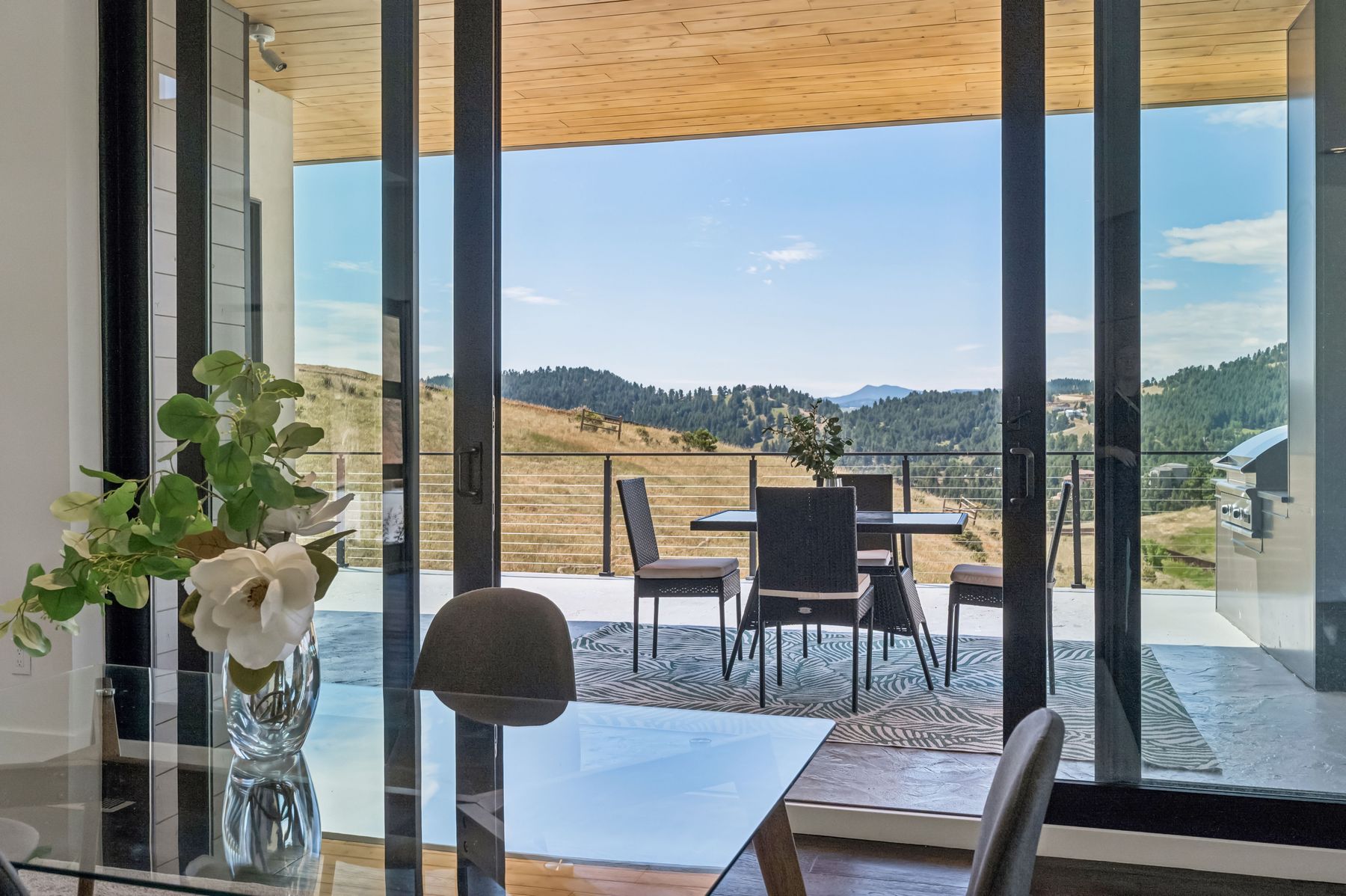
Building at 5,280 feet means your home faces challenges that sea-level construction never encounters, from UV radiation that's 25% stronger than at ground level to temperature swings that can hit 50 degrees in a single day. Denver's thin air, intense sun, golf ball-sized hail, and snow loads that can reach 30 pounds per square foot demand specific design choices that most builders learn through expensive mistakes rather than upfront planning. This guide breaks down the construction and design decisions that actually matter for comfort, durability, and energy efficiency in Colorado's unique climate, starting with the highest-impact upgrades and working down to the finishing touches that make a house feel like home. You'll discover why high-performance windows and proper insulation air sealing can cut your heating bills by 40%, how HVAC systems need different ventilation and humidity control strategies in thin dry air, and which snow and water detailing prevents the ice dam headaches that plague poorly designed Denver homes. We'll cover everything from structural considerations and altitude-aware materials to maximizing those incredible mountain views while protecting your investment from hail damage and UV degradation. By the end, you'll have practical knowledge for making smart choices about orientation, glazing, indoor-outdoor flow, and the specific products that perform best at altitude, plus insights into local codes and site conditions that can save you thousands in change orders and future repairs. Ready to build or remodel a home that works with Denver's climate instead of fighting against it?
Start with the biggest comfort and bill reducers
Smart homeowners focus their renovation dollars on upgrades that deliver both immediate comfort improvements and measurable utility bill reductions. Two specific investments dominate this category - high-performance glazing and comprehensive air sealing - because they address the root causes of heat loss and gain rather than just treating symptoms.
Put windows at the top of the list
Your home's glazing system works overtime in Denver's extreme conditions, managing 40-degree temperature drops overnight while filtering intense mountain sunlight during the day. Single-pane or standard double-pane units simply can't handle these demands, leading to cold spots near windows in winter and overheated rooms during summer afternoons. Quality triple-pane or high-performance double-pane units with advanced coatings transform these problem areas into comfortable zones year-round.
Performance specifications matter more than brand names when selecting glazing for altitude conditions. Look for units with U-factor ratings of 0.25 or better - ENERGY STAR certified windows must have a U-factor of 0.27 or less in cold climates, but Denver's conditions warrant pushing beyond minimum standards. Low-emissivity coatings on windows improve their insulation and block heat from the sun, making them essential for managing both winter heat retention and summer cooling loads. Frame materials also impact overall performance, with fiberglass and vinyl composite frames outperforming aluminum in thermal efficiency.
High-altitude compatibility (what to confirm before you buy)
Insulated glass units face unique stresses at 5,280 feet, where lower atmospheric pressure can cause seal failures and gas fill migration that reduces thermal performance over time. Standard glazing products designed for sea-level installation may experience premature failure when installed at Denver's elevation, making altitude-rated units a worthwhile investment despite higher upfront costs.
Local installation expertise becomes critical when working with high-performance glazing systems at altitude. Contractors familiar with Denver conditions understand proper flashing techniques for the region's intense UV exposure and know how to maintain air barrier continuity around window openings. They also recognize when structural modifications are needed to support heavier triple-pane units and can recommend appropriate shading strategies for different home orientations.
Air sealing (the multiplier upgrade)
Comprehensive air sealing eliminates the drafts that make rooms uncomfortable while reducing the workload on your HVAC system by up to 30%. This upgrade works synergistically with high-performance glazing - even the best windows can't overcome air leaks around their frames or elsewhere in the building envelope.
Professional air sealing during window installation ensures proper integration between new glazing units and the home's air barrier system. Quality installers use appropriate flashing materials and sealants that maintain their effectiveness in Denver's temperature extremes, creating a continuous barrier that prevents conditioned air from escaping and outdoor air from infiltrating.
Use the sun wisely (views + daylight without overheating)
Strategic glazing placement captures Denver's abundant natural light while preventing summer overheating through careful attention to orientation and shading. South-facing windows benefit from larger openings that maximize winter solar gain, while east and west exposures require more modest sizing or external shading to control afternoon heat buildup.
Balancing daylight access with thermal control often means selecting different glazing specifications for different orientations - lower solar heat gain coefficients for west-facing windows and higher visible light transmission for north-facing openings that provide consistent illumination without unwanted heat gain.
Quote comparison checklist:
Build a tight warm shell that handles Denver swings
Daily temperature fluctuations of 30 to 50 degrees create constant stress on building materials through repeated expansion and contraction cycles that can compromise structural integrity and energy performance over time. These dramatic shifts force every component of your home's envelope - from siding and roofing materials to foundation connections - to expand and contract at different rates, creating gaps and failures at critical junctions that drive up heating costs and reduce indoor comfort. The key to managing these stresses lies in understanding how materials move and designing connections that accommodate movement while maintaining thermal continuity.
Seams, fasteners, and material transitions bear the brunt of this daily movement, with different materials expanding at varying rates that can pull connections apart or create compression stress that buckles components. Metal flashing expands faster than wood framing, concrete foundations move differently than wood sill plates, and vinyl siding responds to temperature changes at a different rate than the sheathing beneath it. Maintaining continuity at these joints becomes just as important as achieving high R-values in the field of the wall, since thermal bridges and air leaks at connections can negate the benefits of expensive insulation materials.
Attic and roof insulation delivers the highest return on investment because heat rises and these areas experience the greatest temperature differentials between conditioned and unconditioned spaces. Achieving R-49 overhead insulation in climate zones 4 and 5 requires careful attention to coverage over exterior wall top plates, where thermal bridging commonly occurs and reduces overall system performance. Strong wall assemblies complement this approach by creating continuous thermal barriers that work together with roof insulation to form an integrated envelope system, though the specific assembly details matter less than ensuring proper installation and continuity between components.
A continuous air barrier functions as the multiplier that makes other energy investments worthwhile by preventing conditioned air from escaping and unconditioned air from infiltrating through small gaps and cracks throughout the building envelope. This invisible barrier stops drafts that make rooms uncomfortable, reduces dust infiltration that affects indoor air quality, and allows HVAC systems to operate more efficiently by maintaining consistent pressure relationships between indoor and outdoor environments. Without proper air sealing, even high-performance insulation and advanced HVAC equipment cannot achieve their rated efficiency levels.
Denver's dry climate creates a false sense of security about moisture problems, but winter conditions still generate condensation risks when warm indoor air contacts cold surfaces like single-pane glass or poorly insulated wall sections. This simple cause-and-effect relationship - warm moist air meeting cold surfaces - can create moisture problems at window frames, exterior wall corners, and other thermal bridges where insulation coverage is incomplete. Proper air sealing prevents warm indoor air from reaching these cold surfaces, while correct insulation placement keeps surface temperatures above the dew point where condensation forms.
Rim joists represent one of the most common leakage points because they create a direct thermal bridge between indoor and outdoor conditions while often receiving minimal insulation attention during construction. Electrical and plumbing penetrations through the envelope create additional pathways for air movement, particularly where cables or pipes pass through top plates or rim joists without proper sealing. Recessed lighting fixtures installed in insulated ceilings create both air leakage and thermal bridging issues, while transitions between different materials or building components often lack adequate sealing details that prevent air movement.
Separating attached garages from living spaces prevents vehicle emissions, chemical odors, and temperature fluctuations from affecting indoor air quality while maintaining proper pressure relationships that keep conditioned air from escaping into unconditioned spaces. This separation requires extending the air barrier system to include the garage wall and any connecting surfaces, creating a complete envelope that treats the garage as exterior space rather than part of the conditioned building. Proper detailing at this interface prevents pressure imbalances that can draw garage air into living areas through shared walls or ceiling connections.
Requesting blower door testing and thermal imaging from your builder or energy rater provides objective verification that air sealing and insulation work has been completed effectively throughout the building envelope. These diagnostic tools reveal hidden problems like missed insulation areas, air leakage paths, and thermal bridges that visual inspection cannot detect, giving you confidence that performance targets have been met before final payment.
Get HVAC, ventilation, and humidity right for thin dry air
Perfectly sealed homes with continuous thermal barriers can still feel uncomfortable when mechanical systems fail to account for Denver's unique atmospheric conditions and pressure dynamics. The same tight construction that reduces energy bills creates new challenges - outdoor humidity levels that drop below 20% in winter combine with altitude-related pressure differences to make indoor spaces feel harsh and uncomfortable despite thermostat readings that suggest proper heating.
Why "dry and drafty" happens in thin air
Temperature stratification becomes more pronounced at altitude because heated air rises faster through the lower-density atmosphere, creating noticeable temperature differences between floor and ceiling levels that standard HVAC systems struggle to manage effectively. Cold spots develop near exterior walls and windows where thermal bridges allow heat transfer, while warm air accumulates near ceilings and fails to circulate properly throughout living spaces.
Exhaust-only ventilation strategies that rely solely on bathroom and kitchen fans create negative pressure conditions that pull unconditioned air through small gaps and cracks in the building envelope. This infiltration brings cold, dry outdoor air into the home through uncontrolled pathways rather than through designed ventilation points where it could be conditioned properly. Poor supply and return ductwork placement compounds these problems by creating pressure imbalances that force conditioned air into unoccupied areas while leaving living spaces inadequately served.
Balanced ventilation (ERV) for tight Denver homes
Energy Recovery Ventilators make sense in tightly constructed Denver homes because they bring in fresh outdoor air while recovering both heat and moisture from outgoing stale air. "ERVs have the ability to transfer humidity" and "keep the humidity inside the building in cold/dry climates," which directly addresses Denver's winter comfort challenges. These systems work particularly well when indoor humidity drops below comfortable levels and the home's tight construction limits natural air exchange.
"An ERV recovers energy from exhaust air to pre-treat the outside air," reducing heating loads during winter months when outdoor temperatures plummet and indoor-outdoor temperature differences reach extreme levels. Proper commissioning ensures the ERV operates at design airflow rates, while regular filter maintenance keeps the heat and moisture recovery cores functioning efficiently. Systems that include bypass dampers allow homeowners to take advantage of mild weather conditions when heat recovery isn't needed.
Equipment that actually performs in Colorado winters
Variable-speed cold-climate heat pumps maintain heating capacity down to -15°F outdoor temperatures, making them viable primary heating sources for Denver homes when sized appropriately for actual heating loads rather than outdated rules of thumb. These units modulate their output to match real-time heating demands, providing consistent comfort while avoiding the short cycling that reduces efficiency and creates temperature swings.
Backup heating strategies become important during extended cold snaps when outdoor temperatures drop below the heat pump's effective operating range for several consecutive days. Electric resistance backup integrated into the air handler provides seamless operation, while separate backup systems like gas furnaces offer redundancy for homeowners who prefer fossil fuel reliability. Smart zoning helps when homes have distinct heating zones with different solar exposure or occupancy patterns, though complex multi-zone systems can create commissioning challenges that outweigh their benefits in smaller homes.
Humidity targets + when a whole-home humidifier is worth it
Indoor humidity levels between 30 and 50 percent provide optimal comfort and health benefits, though maintaining these targets during Denver's winter months requires active humidification when outdoor humidity drops to single digits. Winter heating systems naturally dry indoor air as they warm cold outdoor air that contains minimal moisture, making 20% indoor humidity common in homes without supplemental humidification.
Whole-home humidifiers integrated with the HVAC system make sense when natural humidity sources like cooking, showering, and breathing cannot maintain comfortable levels throughout the heating season. Steam humidifiers provide the most precise control and require minimal maintenance, while evaporative units cost less initially but need regular pad replacement and careful water quality management. Homes with effective vapor barriers and controlled ventilation rates typically need less humidification capacity than leaky homes that constantly introduce dry outdoor air.
Mistakes to avoid
- Oversizing heating and cooling equipment creates short cycling that reduces comfort through temperature swings and prevents proper humidity control during operation
- Skipping balanced ventilation systems and relying only on exhaust fans creates negative pressure that pulls uncontrolled outdoor air through envelope leaks
- Ignoring ductwork design, sealing, and return air pathways allows pressure imbalances that create drafts and reduce system efficiency
- Adding humidification systems without first addressing envelope air leakage and ventilation controls wastes energy and can create moisture problems
- Relying exclusively on portable humidifiers as the primary humidity control strategy fails to address whole-house comfort and creates maintenance burdens
Coordinating these mechanical systems with the tight thermal envelope creates a complete comfort package that performs reliably in Denver's demanding climate conditions. Load calculations based on actual envelope performance rather than generic assumptions become the foundation for properly sizing equipment and designing distribution systems that deliver consistent comfort year-round.
Make roofs and drainage snow and ice proof before the first storm
Winter storms in the Denver metro can dump enough precipitation to create structural loads reaching 40 to 60 pounds per square foot on horizontal surfaces, while accompanying wind events drive moisture into building assemblies through gaps that remain invisible during calm weather. Standard coastal or lower-elevation roofing details fail catastrophically under these conditions because they assume gentler precipitation patterns and lack the redundant water-shedding layers needed when driving winds push moisture upward through conventional shingle overlaps and flashing connections.
Steeper roof pitches of 6:12 or greater naturally shed accumulated precipitation faster and reduce the likelihood of water backing up behind ice formations or debris accumulations during storm events. Lower-slope applications between 2:12 and 6:12 require enhanced membrane systems and additional drainage provisions to handle the slower runoff rates that allow more time for freeze-thaw cycles to exploit small gaps in the roofing assembly. Flat or nearly flat roof areas need comprehensive structural analysis to verify they can support concentrated drift loads that often exceed uniform distribution assumptions used in basic calculations.
Robust underlayment systems create multiple lines of defense against water infiltration by combining self-adhering membranes at vulnerable areas with high-quality synthetic underlayments across the entire roof deck. These assemblies must withstand Denver's intense UV radiation during installation and throughout their service life, resist puncture damage from hail impacts that regularly exceed golf ball size, and maintain their integrity when wind-driven precipitation creates hydrostatic pressure against the underside of roofing materials.
Ice dam formation occurs when heat escaping through the roof assembly melts accumulated precipitation on upper roof areas, creating runoff that refreezes at colder eave locations where it forms barriers that trap subsequent meltwater behind them. Prevention requires maintaining the thermal boundary established in earlier envelope work by extending insulation coverage completely over exterior wall top plates, sealing all air leakage paths that allow warm air to contact the roof deck, and providing adequate ventilation to keep roof surface temperatures consistent from ridge to eave.
Water collection and conveyance systems must route precipitation away from foundation walls through properly sized gutters, downspouts placed at appropriate intervals, and discharge strategies that prevent pooling near basement or crawlspace walls. Freeze-thaw cycles turn marginal grading into major problems because ice formation amplifies drainage issues - slopes that barely work during liquid precipitation events become completely inadequate when ice blocks normal flow patterns and redirects water toward foundation elements.
Driveway and walkway placement affects both safety and maintenance throughout winter months by determining where ice accumulates and how snow removal equipment can access different areas of the property. Strategic planning creates designated snow storage zones away from building foundations and HVAC equipment while ensuring that melting snow from these areas drains away from structures rather than toward them. Walkway routing that minimizes north-facing and shaded sections reduces persistent ice problems that create liability concerns and limit property access.
Heat-trace cable systems provide targeted solutions for persistent ice formation at specific locations like shaded eaves, complex roof valleys, and building entries where architectural features create conditions that standard prevention measures cannot fully address. These electrical systems consume significant energy during operation and require regular maintenance to prevent fire hazards, making them appropriate only after addressing root causes through proper insulation, air sealing, and ventilation improvements that reduce the heat loss driving ice formation.
Observing how different areas of your property respond to winter conditions reveals patterns that influence long-term maintenance and safety planning. North-facing and heavily shaded sections consistently melt slower and refreeze more frequently than south-facing areas, creating localized ice problems that persist well after other areas have cleared. West-facing surfaces experience rapid freeze-thaw cycles during late-afternoon temperature drops that can create particularly hazardous conditions on walkways and driveways used for evening activities.
Choose exterior materials that survive harsh sun, hail, and fire rules
Caulk joints crack and pull away from siding within three years of installation when standard materials meet Denver's relentless ultraviolet bombardment and daily temperature swings that can reach 40 degrees between dawn and afternoon. Paint systems that promise ten-year warranties elsewhere begin chalking and losing adhesion after just five seasons at altitude, while vinyl siding becomes brittle and prone to impact damage from routine hail events that occur multiple times each summer. These predictable failures drive up maintenance costs and create ongoing headaches that proper material selection prevents from the start.
Choosing cladding systems designed for extreme exposure conditions eliminates the cycle of premature replacement and constant touch-up work that plagues homes built with standard coastal or moderate-climate products. The key lies in understanding how altitude amplifies normal weathering processes and selecting assemblies that account for these accelerated conditions rather than hoping conventional materials will somehow perform differently in Colorado's demanding environment.
UV + altitude: why materials fail faster here
Solar radiation intensity increases approximately 4% for every 1,000 feet of elevation gain, making Denver's 5,280-foot altitude subject to roughly 20% more UV exposure than sea-level locations receive during equivalent sun hours. This concentrated energy breaks down polymer chains in paint systems, causes color pigments to fade rapidly, and degrades the surface layers of wood and composite materials at rates that catch homeowners unprepared for frequent refinishing cycles.
Temperature cycling compounds UV damage through constant expansion and contraction that stresses material bonds and creates microscopic cracks where moisture and further UV penetration can occur. Morning temperatures in the 40s followed by afternoon readings in the 80s force different materials to move at different rates, pulling apart joints and connections that remain stable in more moderate climates. Metal flashing expands faster than adjacent wood trim, concrete foundations move differently than attached siding systems, and even different layers within the same assembly respond to temperature changes at varying rates.
These mechanical stresses manifest as warped siding panels that pull away from fasteners, caulk joints that separate and allow water infiltration, and coating systems that develop hairline cracks that spread rapidly once moisture enters the substrate. What starts as minor surface degradation quickly becomes structural damage when Denver's intense freeze-thaw cycles drive water into compromised materials and force expansion that creates larger failures.
Siding systems that hold up (and what to avoid)
Fiber cement products engineered specifically for high-UV environments resist both color degradation and dimensional movement when manufactured with quality polymer-modified paint systems that bond chemically to the substrate rather than simply adhering to the surface. Factory-applied finishes generally outperform field-applied coatings because they cure under controlled conditions and achieve better penetration into the substrate, though the specific paint chemistry matters more than the application method.
Properly detailed stucco assemblies create durable cladding systems when designed with adequate drainage planes, appropriate reinforcement at stress concentration points, and control joints that accommodate thermal movement without cracking. Three-coat systems over metal lath provide superior impact resistance compared to one-coat applications, while integral color admixtures eliminate the need for topcoat paint systems that require regular maintenance.
Metal cladding systems offer exceptional longevity in hail-prone areas because they resist impact damage that destroys other materials and maintain their appearance without regular refinishing requirements. Steel and aluminum panels with factory-applied fluoropolymer coatings withstand decades of UV exposure while providing excellent thermal movement accommodation through proper fastening systems that allow expansion and contraction.
Vinyl siding ages poorly in Denver's intense solar environment because the polymer formulations designed for moderate climates become brittle and prone to cracking when exposed to high-altitude UV levels combined with extreme temperature cycling. Budget-conscious homeowners achieve better long-term value with engineered wood products that feature high-quality factory finishes specifically formulated for UV resistance and dimensional stability.
Roofing + exterior trim: where durability upgrades pay back
South and west-facing roof surfaces bear the brunt of solar exposure and thermal cycling, making these areas prime candidates for premium materials that justify their higher costs through extended service life and reduced maintenance requirements. Architectural shingles with enhanced granule systems resist UV degradation better than standard three-tab products, while metal roofing systems provide decades of maintenance-free performance despite higher initial investment costs.
Fascia boards and trim elements experience the most severe exposure conditions because they combine direct UV bombardment with moisture exposure from roof runoff and limited air circulation that prevents rapid drying. Fiber cement or cellular PVC trim products eliminate the rot and splitting problems that plague wood trim in these locations, while factory-primed options reduce field painting requirements that often result in inferior coating performance.
Eave and rake details require special attention because these areas experience both direct weather exposure and thermal stress from roof assembly movement, making them prone to caulk failure and water infiltration when standard details prove inadequate for Denver conditions. Proper flashing integration and sealant selection designed for extreme temperature ranges prevent the premature failures that create expensive callback situations.
Hail resistance + wildfire-aware choices (as applicable)
"Class 4 being the highest rating" for impact resistance becomes relevant in Denver's hail-prone environment where storms regularly produce projectiles exceeding golf ball size that can destroy standard roofing materials in minutes. "Class 4 requirements of UL 2218" specify that materials must withstand "a 2-inch steel ball dropped from a height of 20 feet without cracking," providing quantifiable protection against the severe hail events that occur multiple times each summer across the metro area.
Wildland-Urban Interface zones throughout the Denver metro require noncombustible or ignition-resistant materials that prevent ember ignition and resist flame spread during wildfire events. Fiber cement siding, metal roofing, and stucco assemblies meet these requirements while providing the durability benefits needed for high-altitude conditions, creating dual-purpose solutions that address both fire safety and long-term maintenance concerns.
Selecting materials that meet both impact and fire resistance standards requires careful attention to specific product certifications and installation requirements that maintain these performance characteristics in actual field conditions. Proper fastening patterns, adequate substrate preparation, and compatible accessory products ensure that rated performance translates to real-world protection during extreme weather events.
Bid selection checklist:
- UV finish warranty - Verify minimum 15-year fade and chalk resistance coverage for high-altitude exposure conditions
- Impact rating documentation - Confirm Class 4 certification for roofing materials and Class 3 minimum for siding in hail-prone areas
- Fire rating compliance - Request documentation of ignition resistance and flame spread ratings for WUI zone requirements
- Fastener compatibility - Specify corrosion-resistant fasteners rated for thermal cycling and substrate compatibility
- Penetration detailing - Review flashing and sealing specifications for pipe, vent, and fixture penetrations through cladding
- Maintenance schedule - Obtain manufacturer recommendations for inspection intervals and required maintenance procedures
- Code compliance documentation - Verify all materials meet current Denver building code requirements and HOA restrictions where applicable
Get the structure and foundation right for Denver soils and altitude curing
Structural decisions lock in performance characteristics that remain hidden until problems emerge years later, making these early choices more critical than visible finishes that homeowners can easily modify during future renovations. Foundation systems anchor every other building component and transfer loads safely to the ground, while framing assemblies create the skeleton that supports roofing, siding, and mechanical systems through decades of environmental stress. Getting these elements wrong means expensive remediation that disrupts the entire home, while proper initial design prevents callbacks and warranty claims that plague builders who cut corners on invisible infrastructure.
Concrete placement at Denver's elevation faces unique challenges because at higher altitudes, the air pressure is lower and this reduced atmospheric pressure accelerates moisture loss from fresh concrete mixtures. The combination of low humidity and reduced air pressure creates conditions where "rapid evaporation can also increase the risk of the concrete drying out too quickly, leading to weaker structures" that develop surface cracking and reduced compressive strength. Standard sea-level concrete practices fail at altitude because they don't account for the accelerated hydration rates and moisture loss that occur when atmospheric pressure drops to roughly 83% of sea-level values.
Successful high-altitude concrete work requires specific mix modifications and placement protocols that address these environmental factors before problems develop. "Consider adjusting your concrete mix to include additives or admixtures that help retain water" while "slower-setting cements might also be a good choice to offset the quick drying conditions" that characterize Denver's climate. Wind barriers during placement protect fresh concrete from accelerated surface drying, while curing compounds applied immediately after finishing help retain moisture during the critical early hydration period. Contractors experienced with altitude conditions schedule pours during optimal weather windows and maintain adequate crew sizes to complete finishing operations before surface crusting occurs.
Denver-area soils present additional complications through expansive clay deposits that can generate uplift forces exceeding 5,000 pounds per square foot when moisture content changes seasonally. These bentonite-rich soils shrink during dry periods and swell dramatically when wet, creating foundation movement that manifests as cracked drywall, binding doors and windows, and separation between different building components. Foundation design must account for these soil characteristics through appropriate depth, reinforcement, and moisture control strategies rather than relying on generic details that work in stable soil conditions.
Perimeter drainage systems function as integral components of the foundation assembly by controlling soil moisture levels that drive expansive movement and preventing hydrostatic pressure buildup against basement walls. French drains placed at footing level intercept groundwater before it reaches foundation elements, while proper surface grading directs precipitation away from the building envelope. Downspout discharge points located too close to foundations create localized saturation zones that trigger soil expansion and compromise waterproofing systems, turning minor drainage oversights into major structural problems.
Geotechnical investigation during the design phase identifies soil bearing capacity, expansion potential, and groundwater conditions that determine appropriate foundation systems and prevent costly surprises during construction. Professional soil analysis costs between $2,000 and $5,000 but prevents foundation redesigns that can add $15,000 to $30,000 to project budgets when expansive soils are discovered after construction begins. Slope stability evaluation becomes particularly important on hillside sites where cut-and-fill operations can trigger movement that affects both the new home and neighboring properties.
Wind events throughout the Front Range generate uplift forces and lateral loads that test the continuity of structural connections from foundation to roof peak, making proper fastening details essential for long-term durability. Roof-to-wall connections must transfer wind loads through continuous load paths that prevent progressive failure during severe weather events, while exterior cladding attachment systems need adequate fastening schedules that resist both positive and negative pressure differentials. These connection details become even more critical when combined with the impact-resistant roofing and siding systems discussed in previous sections, since superior materials provide no protection when inadequately fastened to the structure.
Verifying compliance with the 2025 Denver Building and Fire Code ensures that structural specifications meet current seismic provisions, snow load requirements, and wind resistance standards that reflect local environmental conditions. Wildland-Urban Interface areas impose additional requirements for noncombustible construction and defensible space that affect both structural design and site planning decisions. Engineering calculations must account for actual site conditions including elevation, exposure category, and soil characteristics rather than generic assumptions that may not apply to specific locations within the diverse Denver metro area.
Design for Colorado living with sun views and indoor outdoor flow
Once your home's structural systems and weatherproofing details are locked in, the next layer focuses on how daily life actually unfolds within those durable bones - where morning coffee happens, how afternoon light fills key spaces, and whether mountain views enhance or detract from year-round comfort.
Orientation basics (comfort + resale first)
Positioning your home's main living areas toward the south captures Denver's abundant natural light while minimizing exposure to harsh north winds that drive up heating costs during winter months. This fundamental site planning decision affects every subsequent choice about window sizing, room layout, and mechanical system sizing because it determines how much free solar energy your home receives throughout the heating season.
Kitchen and family room placement on the south side creates naturally bright spaces where families spend most of their waking hours, reducing artificial lighting needs while providing cheerful environments during Colorado's long winter months. Bedrooms benefit from east-facing placement that captures gentle morning light without the harsh afternoon glare that makes west-facing sleeping areas uncomfortably warm during summer evenings.
Garage placement on the north side serves dual purposes by buffering living spaces from cold winter winds while positioning the home's main entrance away from prevailing weather patterns that drive snow and rain against exposed surfaces. This arrangement also places utility areas and storage zones in naturally cooler locations where temperature fluctuations matter less for daily comfort.
South-facing strategies for passive solar (winter light without summer penalty)
Large south-facing glazing areas work exceptionally well in Colorado's climate because 300 days of sun per year provides consistent solar energy during heating months when the sun tracks low across the southern sky. These windows capture maximum winter heat gain when outdoor temperatures drop below freezing, while summer's high sun angle naturally limits unwanted heat penetration when cooling loads become a concern.
Living rooms and dining areas positioned along south-facing walls benefit most from generous glazing because these spaces accommodate the temperature swings that come with direct solar exposure. Thermal mass elements like tile floors, stone accent walls, or concrete countertops absorb excess heat during sunny winter afternoons and release it gradually during evening hours when outdoor temperatures plummet.
Avoiding oversized south-facing windows in bedrooms prevents uncomfortable temperature spikes during shoulder seasons when moderate outdoor temperatures combine with intense solar gain to create overheating conditions. These spaces maintain better comfort with modest glazing areas that provide natural light without the thermal swings that disrupt sleep quality.
Shading that still feels open
Properly sized roof overhangs block summer sun when it tracks high overhead while allowing winter sun to penetrate when the solar angle drops below 30 degrees. This passive strategy requires no moving parts or seasonal adjustments, making it the most reliable approach for managing solar gain throughout the year.
Pergola structures extend shading beyond the roof line while maintaining visual connection to outdoor spaces and mountain views. These frameworks support climbing vegetation that provides additional summer cooling through evapotranspiration, though plant selection must account for Denver's intense UV exposure and periodic drought conditions that stress less-adapted species.
Retractable awning systems offer flexibility for homeowners who want seasonal control over shading without permanent visual obstruction. Quality units designed for high-altitude conditions resist wind damage and UV degradation that destroys standard residential awnings within three to five years of installation.
Window placement for mountain views (control glare + heat gain)
Strategic window sizing balances view access with thermal control by using larger openings for distant mountain vistas while limiting glazing area where afternoon sun creates glare problems. West-facing windows require particular attention because they receive the most intense solar exposure when outdoor temperatures peak during late afternoon hours.
Clerestory windows placed high on south-facing walls capture views of mountain peaks while avoiding ground-level privacy concerns and reducing glare at eye level. These elevated openings also improve natural ventilation by creating stack effect cooling when combined with lower inlet windows on the home's cooler north side.
Multiple smaller windows often provide better view framing than single large openings because they allow selective focus on specific landscape features while reducing the glazing area that contributes to heat gain and loss. This approach also simplifies structural requirements and reduces replacement costs when hail damage occurs.
Indoor–outdoor transitions that work in real Colorado weather
Covered entry areas protect both people and building materials from Denver's sudden weather changes while creating transitional zones where outdoor gear can be managed before entering main living spaces. These spaces need adequate depth to accommodate door swings and provide weather protection during the time required to unlock doors and gather belongings.
Threshold details at entry doors require careful attention to drainage and durability because freeze-thaw cycles exploit any gaps where water can penetrate. Quality door systems include integrated sill pans and proper flashing that direct water away from the opening rather than allowing it to pool against interior finishes.
Colorado-ready transition checklist:
Lighting, privacy, and HOA alignment
Dark-sky-friendly exterior lighting preserves mountain views and reduces energy consumption while meeting security needs through strategic placement of shielded fixtures that direct light downward rather than broadcasting it across the landscape. This approach also maintains good neighbor relations in communities where excessive lighting creates nuisance conditions.
HOA architectural guidelines often restrict exterior lighting styles, fixture heights, and mounting locations, making early review of these requirements essential before finalizing lighting plans. Some communities also limit the total number of fixtures or require specific approval for any lighting visible from neighboring properties.
Planning these livability elements during initial design phases prevents expensive modifications later while ensuring that daily routines flow smoothly within the durable framework established through proper structural and envelope decisions.
Final Thoughts
Building or remodeling a home at 5,280 feet requires a methodical approach that respects Denver's unique challenges. We've walked through the essential priority order that saves you money and headaches down the road - windows and air sealing first, followed by insulation, then HVAC and ERV systems, snow and drainage management, durable exteriors, and finally structure and lifestyle design elements.
This sequence matters because each step builds on the previous one. High-performance windows and proper air sealing create the foundation for everything else to work efficiently. Quality insulation keeps your energy bills manageable during those long Colorado winters. Smart HVAC planning with energy recovery ventilation handles the thin, dry air that catches many newcomers off guard. Proper snow load planning and drainage systems prevent the expensive surprises that come with heavy spring snowfall and rapid melts.
The payoff is real - fewer maintenance headaches, steadier comfort year-round, lower energy bills, and stronger resale value when you decide to move. Your home becomes a refuge that works with Denver's climate instead of fighting against it.
Start your next project with a detailed checklist based on these priorities. Interview contractors who have extensive Denver experience and understand both the altitude challenges and local building codes. The Front Range has plenty of builders who know how to work at elevation, but not all general contractors grasp the nuances we've covered. Choose professionals who can speak confidently about vapor barriers, snow loads, and UV-resistant materials - your future self will thank you.
Check out this article next